Technology · Dev
SK Hynix Eyes Deeper Collaboration With Japan's Chip Sector
South Korean memory giant signals interest in supporting Japanese semiconductor development, mirroring its multi-billion-dollar U.S. commitment
KEY TAKEAWAYS
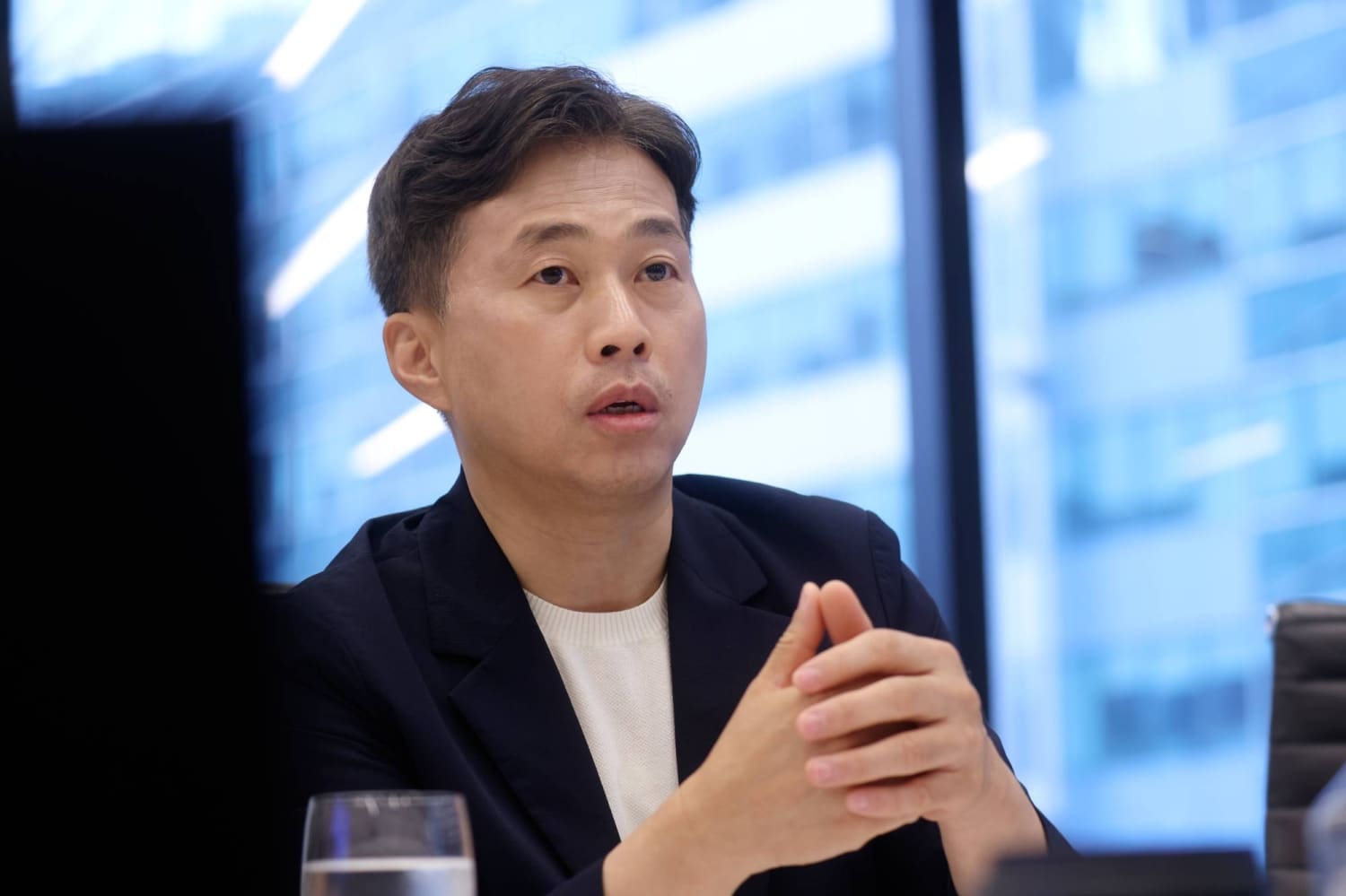
- ·SK Hynix CEO Kwak Noh-jung expressed interest in supporting Japan's semiconductor industry, similar to the company's $4 billion investment in Indiana.
- ·Japan has been offering subsidies and policy support to attract foreign chipmakers as part of efforts to rebuild its semiconductor capabilities and market share.
- ·Closer collaboration could give SK Hynix access to Japanese materials suppliers, equipment makers, and research institutions critical to advanced chip production.
Seoul's Memory Leader Looks East
SK Hynix is exploring stronger partnerships with Japan's semiconductor industry, a move that would extend the South Korean chipmaker's regional footprint beyond its existing manufacturing and research operations. CEO Kwak Noh-jung confirmed the company's intention to play a role in advancing Japan's chip ecosystem, positioning the effort alongside its Indiana investment program.
The approach mirrors SK Hynix's strategy in the United States, where the firm is committing more than $4 billion to expand production capacity. That facility, located in Indiana, represents one of the company's largest overseas capital outlays and reflects a broader industry trend toward diversifying supply chains across geographies.
Strategic Context for Asia's Chip Alliance
Japan has ramped up efforts to rebuild its semiconductor capabilities over the past two years, offering subsidies and policy support to attract foreign chipmakers. Tokyo's ambition is to reclaim a measure of the global market share it held in the 1980s, when Japanese firms dominated memory and logic production. Today, the government views semiconductors as critical to economic security and has earmarked billions of yen for joint ventures, research hubs, and advanced packaging facilities.
SK Hynix's interest comes at a moment when memory prices are stabilizing after a prolonged downturn, and demand for high-bandwidth memory used in artificial intelligence accelerators is climbing. The company competes directly with Samsung Electronics and Micron Technology in DRAM and NAND flash, segments where manufacturing scale and process technology determine profitability.
By deepening ties with Japanese partners, SK Hynix could gain access to materials suppliers, equipment makers, and research institutions that have historically supported the island nation's electronics industry. Japan remains home to firms such as Tokyo Electron, Shin-Etsu Chemical, and a network of specialty chemical and materials producers that underpin global chip production.
What Closer Ties Might Entail
While Kwak did not outline specific projects or investment figures, industry observers point to several plausible avenues. These include joint research on next-generation memory architectures, co-development of advanced packaging techniques, and collaboration on materials science for extreme ultraviolet lithography processes.
Japan's semiconductor strategy has already attracted TSMC, which is building a fabrication plant in Kumamoto with Sony Group and Denso as partners, and has announced plans for a second facility. Intel has also signaled interest in Japanese research partnerships. SK Hynix's entry into this ecosystem would add another major player to the mix and could accelerate technology transfer in areas such as three-dimensional NAND stacking and high-bandwidth memory integration.
The memory sector is capital-intensive, with leading-edge fabs costing upward of $10 billion and requiring continuous upgrades to stay competitive. Partnerships allow companies to share the financial burden of research and reduce time to market for new products. For Japan, hosting SK Hynix projects would bring jobs, tax revenue, and opportunities for local suppliers to integrate into global supply chains.
Indiana as a Template
SK Hynix's Indiana investment offers a model for what might unfold in Japan. The U.S. facility is designed to produce advanced memory packages and will eventually house research labs focused on AI and data center applications. The project has received support under the CHIPS and Science Act, which provides grants and tax incentives to semiconductor manufacturers that locate production in the United States.
A similar framework could emerge in Japan, where the government has shown willingness to subsidize capital expenditure and operating costs for foreign chipmakers that commit to long-term presence. The key difference lies in Japan's existing infrastructure: decades of semiconductor manufacturing have left the country with a mature supply chain, skilled workforce, and established logistics networks.
SK Hynix's willingness to contribute to Japan's chip ambitions also reflects the company's recognition that geopolitical risk is reshaping the industry. Concentrating production in South Korea exposes the firm to regional tensions and supply chain vulnerabilities. Diversifying into Japan and the United States reduces that exposure while positioning SK Hynix closer to key customers in North America and Asia.
Regional Implications
If SK Hynix moves forward with substantive investments in Japan, the decision will reverberate across East Asia's semiconductor landscape. South Korea and Japan have a complex economic relationship, marked by historical grievances and intermittent trade disputes, yet both countries depend on each other's technology and materials. Closer industrial collaboration in semiconductors could stabilize that relationship and create a counterweight to China's growing chip ambitions.
For the memory market, the prospect of additional capacity in Japan introduces a new variable into supply and demand calculations. Analysts will watch whether SK Hynix opts to build new fabs, upgrade existing facilities, or focus on research and packaging. Each path carries different implications for capital allocation, production timelines, and competitive dynamics with Samsung and Micron.
The next phase will hinge on negotiations between SK Hynix, the Japanese government, and potential local partners. If those discussions yield concrete agreements, Japan's semiconductor revival will gain another cornerstone, and SK Hynix will secure a foothold in one of Asia's most advanced manufacturing ecosystems.
RELATED STORIES
Memory Makers Gain Leverage as AI Server Costs Climb
Cheng Wei-Lun · 3 min
Samsung's Device Division Reports First Quarterly Loss as Chip Costs Surge
Cheng Wei-Lun · 3 min
South Korea Taps Three Telecom Giants to Deliver Free AI Services Nationwide
Cheng Wei-Lun · 3 min
Samsung Display Restarts Asan OLED Campus as Foldable Phones Stage Recovery
Cheng Wei-Lun · 4 min
Spot something wrong? Email editor@briefasia.com. We log every correction publicly.