Technology · Products
Samsung Display Restarts Asan OLED Campus as Foldable Phones Stage Recovery
Construction resumes at A7 facility in South Chungcheong Province after years on ice, tracking expected rebound in second-half demand for foldable displays
KEY TAKEAWAYS
- ·Samsung Display has restarted construction at its A7 OLED campus in Asan, South Chungcheong Province, after shelving the project for years.
- ·The move tracks expectations that foldable smartphone demand will strengthen in the second half of 2026 following a weak first-half performance.
- ·Foldable shipments are projected to reach 22 to 28 million units in 2026, still a small fraction of the overall smartphone market but commanding higher margins.
Revival of a Dormant Asset
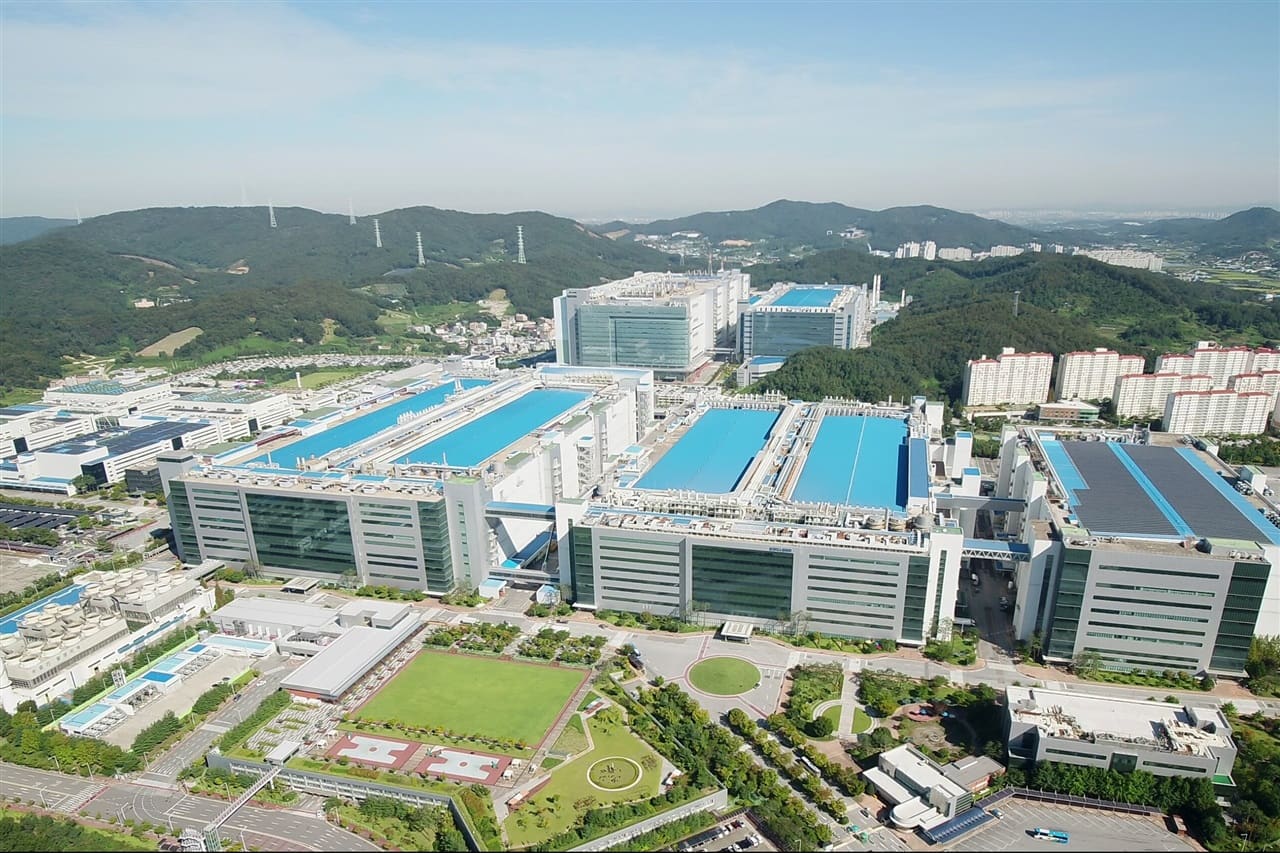
Samsung Display has reactivated construction at its A7 campus in Asan, South Chungcheong Province, breathing new life into an OLED manufacturing project that had been on pause for an extended period. The decision to resume work comes as the company positions itself for a turnaround in foldable smartphone demand, which industry watchers expect to strengthen significantly in the second half of 2026 after a sluggish start to the year.
The Asan site represents Samsung Display's second major campus in the region, which has become a key manufacturing hub for advanced display technology in South Korea. The facility's reactivation signals confidence in the medium-term trajectory of foldable devices, a category that has struggled to gain mass-market traction despite multiple product generations from Samsung, Huawei, Motorola, and other manufacturers.
Tracking Foldable Market Cycles
The timing of the construction restart aligns closely with market dynamics in the foldable segment. The first half of 2026 saw tepid demand across major markets, with consumers holding back on premium purchases amid economic uncertainty in key Asian economies and softening appetite for ultra-premium devices in North America and Europe. Price points for foldable phones have remained stubbornly high, typically ranging from USD 1,200 to over USD 2,000, limiting adoption beyond early adopters and brand loyalists.
However, several factors are converging to support a second-half recovery. Component costs for ultra-thin glass and hinge mechanisms have begun to decline as manufacturing scales improve. Chinese brands including Xiaomi, Oppo, and Vivo are launching more aggressively priced foldable models aimed at the domestic market, which could drive volume growth even if average selling prices compress. Samsung Electronics itself is expected to introduce refreshed Galaxy Z Fold and Z Flip models in the third quarter, typically a strong seasonal window for flagship launches.
Strategic Capacity Addition
The A7 campus project had been shelved previously when the foldable market failed to meet early growth projections. Samsung Display, which supplies panels not only to its parent company Samsung Electronics but also to competitors including Google and potentially Apple in future product cycles, had opted to focus capital expenditure on existing lines and incremental upgrades rather than greenfield expansion.
The decision to restart now suggests internal forecasts have shifted. Industry estimates place global foldable smartphone shipments at approximately 18 million units for 2025, with projections for 2026 ranging between 22 million and 28 million units depending on pricing and new model reception. While still a fraction of the overall smartphone market of roughly 1.2 billion units annually, the foldable segment commands significantly higher margins for both device manufacturers and display suppliers.
Samsung Display's Asan facilities are designed to produce flexible OLED panels using low-temperature polycrystalline silicon backplanes, a technology essential for the tight bend radius required in foldable devices. The A7 campus is expected to eventually house multiple production lines, though the company has not disclosed specific capacity targets or investment figures for the resumed construction phase.
Asia's Display Ecosystem
The move also reflects broader competitive dynamics in Asia's display industry. Chinese panel makers including BOE Technology and Tianma have been ramping up their own flexible OLED capabilities, targeting both domestic brands and international clients. BOE already supplies foldable panels to Huawei and Honor, and has been working to qualify its technology with additional customers.
South Korea's display sector, once dominant in LCD manufacturing before ceding ground to Chinese competitors, has doubled down on OLED and next-generation technologies where it maintains a lead in yield rates, durability, and performance. Samsung Display and LG Display together control the majority of the global flexible OLED market, a position they are keen to defend as the category matures.
The construction timeline for the A7 campus remains unclear. Typically, a new OLED fab requires 18 to 24 months from groundbreaking to initial production, followed by additional quarters for yield stabilization and volume ramp. If Samsung Display is targeting the 2028-2029 timeframe for meaningful output, that would align with expectations that foldable devices could cross the 50-million-unit annual threshold by the end of the decade.
Reading the Demand Signals
For investors and supply chain partners, the Asan restart is a tangible signal of confidence in a product category that has oscillated between hype and skepticism. Foldable phones have yet to achieve the disruptive impact some forecasters predicted five years ago, but they have established a foothold as a viable premium segment, particularly in markets like South Korea, China, and increasingly India where consumers prize differentiation and status signaling.
The second half of 2026 will serve as a critical test. If demand does materialize as expected, Samsung Display's decision to resume construction will look prescient. If the recovery proves short-lived or weaker than anticipated, the company may face questions about capital allocation and the pace of capacity additions in a cyclical, capital-intensive industry. For now, the cranes are back at work in Asan, and the bet is on folding screens.
RELATED STORIES

Nexon Commits $179M to Gaming IP Fund Targeting Asian Developers
Cheng Wei-Lun · 3 min
Samsung Display Unveils Technology to Fix Brightness Drop in Foldable Screens
Cheng Wei-Lun · 2 min
Samsung Workers Plan Protest Over Pay Gap Between Chip and Device Units
Jun-ho Seo · 3 min

Samsung's Device Division Reports First Quarterly Loss as Chip Costs Surge
Cheng Wei-Lun · 3 min
Spot something wrong? Email editor@briefasia.com. We log every correction publicly.