Finance · Markets
Japan's Inflation Eases to 1.7% as Bank Weighs First Rate Rise in Decades
Core consumer prices fell slightly in August, but energy costs and a weakened yen are pushing the central bank toward a quarter-point increase that would mark the highest borrowing cost since the 1990s.

KEY TAKEAWAYS
- ·Japan's core inflation slowed to 1.7 per cent in August from 1.8 per cent in July, below market expectations, driven partly by government subsidies on fuel and electricity.
- ·The Bank of Japan is expected to raise its benchmark rate by 0.25 percentage points to 1.25 per cent, the highest level in over thirty years, to manage price pressures and support the yen.
- ·Rising oil prices above USD 100 per barrel and ongoing Middle East tensions threaten to push inflation back above the central bank's 2 per cent target in coming months.
Inflation Dips Below Expectations
Japan's core consumer price index fell to 1.7 per cent year-on-year in August, down from 1.8 per cent in July, according to data released by the internal affairs ministry. The figure, which excludes volatile fresh food prices, came in below market forecasts that had anticipated inflation would hold steady at the previous month's level.
Government subsidies for gasoline and electricity contributed to the slower pace, providing temporary relief for household budgets. When both fresh food and energy are stripped out, inflation remained at 1.9 per cent, unchanged from the prior month.
The modest cooling arrives as the Bank of Japan prepares for a policy meeting where officials are widely expected to raise the benchmark interest rate by 0.25 percentage points to 1.25 per cent. That would represent the highest borrowing cost in more than three decades and signal the central bank's determination to manage price pressures while supporting a currency that has tumbled sharply this year.
Energy Pressures Build
The respite in headline inflation may prove fleeting. Oil prices have climbed back above USD 100 per barrel in recent weeks, driven by escalating tensions in the Middle East. Japan, which imports nearly all of its energy, remains acutely vulnerable to global commodity swings.
Marcel Thieliant of Capital Economics noted that higher energy costs are already feeding through the economy. "Inflation was little changed in August but there are mounting signs that higher energy costs are feeding through and we expect it to rise above the BoJ's two per cent target before long," Thieliant said.
The central bank's 2 per cent inflation target, long elusive during Japan's deflationary decades, has come within reach over the past year. Policymakers are now navigating the delicate task of keeping price gains near that threshold without allowing runaway increases that erode purchasing power.
Currency Intervention and Policy Signals
Pressure on the Bank of Japan has intensified following the yen's slide to a 40-year low against the dollar in July. That prompted a rare joint intervention in foreign exchange markets by Tokyo and Washington, underscoring the concern over currency volatility in the world's third-largest economy.
Several Bank of Japan board members have signalled their readiness to lift rates further, viewing tighter monetary policy as a tool to stabilise both inflation and the exchange rate. A quarter-point increase would continue the bank's cautious exit from the ultra-loose stance that defined its policy for much of the past two decades.
Fiscal Measures to Cushion Households
Tokyo has rolled out a series of measures aimed at softening the blow of rising prices. A massive stimulus package adopted at the end of 2025 included extensive tax breaks on energy, and additional support for consumption was announced in the spring.
This week, the government approved a dramatic two-year reduction in the consumption tax on food products, slashing the rate from 8 per cent to 1 per cent starting in April 2027. The move is designed to protect household spending power as global commodity prices remain elevated.
The combination of fiscal support and monetary tightening reflects the balancing act facing Japanese policymakers. While subsidies can blunt the immediate impact of inflation, sustained price stability will depend on the central bank's ability to calibrate interest rates without choking off a fragile economic recovery.
What Comes Next
The trajectory of inflation in the months ahead will hinge largely on energy markets. If oil prices remain elevated or climb further, Japan's import-dependent economy will face renewed upward pressure on costs, potentially pushing core inflation above the 2 per cent threshold.
At the same time, the Bank of Japan's willingness to raise rates signals a shift in its tolerance for price growth. After years of battling deflation, the central bank now confronts the challenge of managing inflation without triggering a sharp slowdown in growth or destabilising financial markets.
Investors and businesses will be watching closely to see whether Friday's expected rate rise is followed by further tightening later in the year, or whether policymakers pause to assess the cumulative impact of higher borrowing costs on an economy still finding its footing.
RELATED STORIES
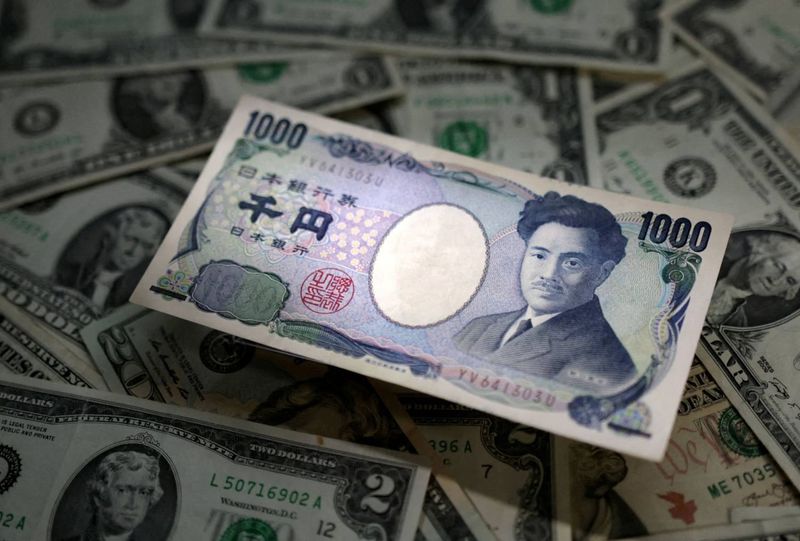
Yen Climbs to Eight-Month High as Rate Hike Expectations Shift Sentiment
Jun-ho Seo · 3 min
Asian Markets Climb as Oil Retreats Before BOJ Rate Decision
Siti Nuraini · 3 min

Japan's Central Bank and Markets Diverge on Rate Hike Trajectory
Aiko Nakamura · 3 min
Bank of Japan to Continue Rate Increases to Anchor Inflation at 2 Per Cent
Aiko Nakamura · 3 min
Spot something wrong? Email editor@briefasia.com. We log every correction publicly.