Finance · Markets
Asian Markets Climb as Oil Retreats Before BOJ Rate Decision
Regional equities gained ground while traders positioned ahead of Japan's anticipated interest rate increase to three-decade highs amid persistent inflation pressures.
KEY TAKEAWAYS
- ·Asian equities rose on 18 September with the MSCI Asia-Pacific index up 0.55 per cent and Seoul's KOSPI surging 2 per cent as Brent crude fell to USD 103.77 per barrel.
- ·The Bank of Japan is expected to raise rates to a 31-year high, but markets are focused on Governor Ueda's communication about the pace of future increases rather than the hike itself.
- ·The yen traded at 156.23 per dollar as traders positioned for the decision, with strategists warning that a fully priced 25 basis point move alone will provide limited currency support.
Markets Rally on Energy Price Relief
Asian equities posted gains on 18 September as crude prices eased and traders positioned themselves ahead of an anticipated monetary policy shift from the Bank of Japan. The MSCI Asia-Pacific index excluding Japan advanced 0.55 per cent, while Tokyo's Nikkei climbed 0.9 per cent and Seoul's KOSPI jumped 2 per cent, led by technology names.
Brent crude futures declined 1 per cent to USD 103.77 per barrel despite ongoing tensions in the Middle East, where conflict between Saudi Arabia and Yemen's Houthis has persisted for over six months. The retreat in energy costs provided a measure of relief to investors concerned about inflation, even as crude remains above the USD 100 threshold.
Wall Street's overnight rally in technology stocks set a positive tone for Asian trading hours. US Treasury yields steadied after surging past 5 per cent earlier in the week to levels not seen since 2007, settling at 4.93 per cent. That brutal bond sell-off had rattled markets globally, but the stabilisation offered breathing room for risk assets.
Central Banks Tighten in Unison
The week has underscored a coordinated global shift towards restrictive monetary policy. The US Federal Reserve raised rates on 16 September for the first time in three years and signalled additional increases ahead. The Bank of England warned on 17 September that further hikes may be necessary if Middle East hostilities continue to push energy costs higher. The European Central Bank last week also flagged the need for additional tightening after its own rate increase.
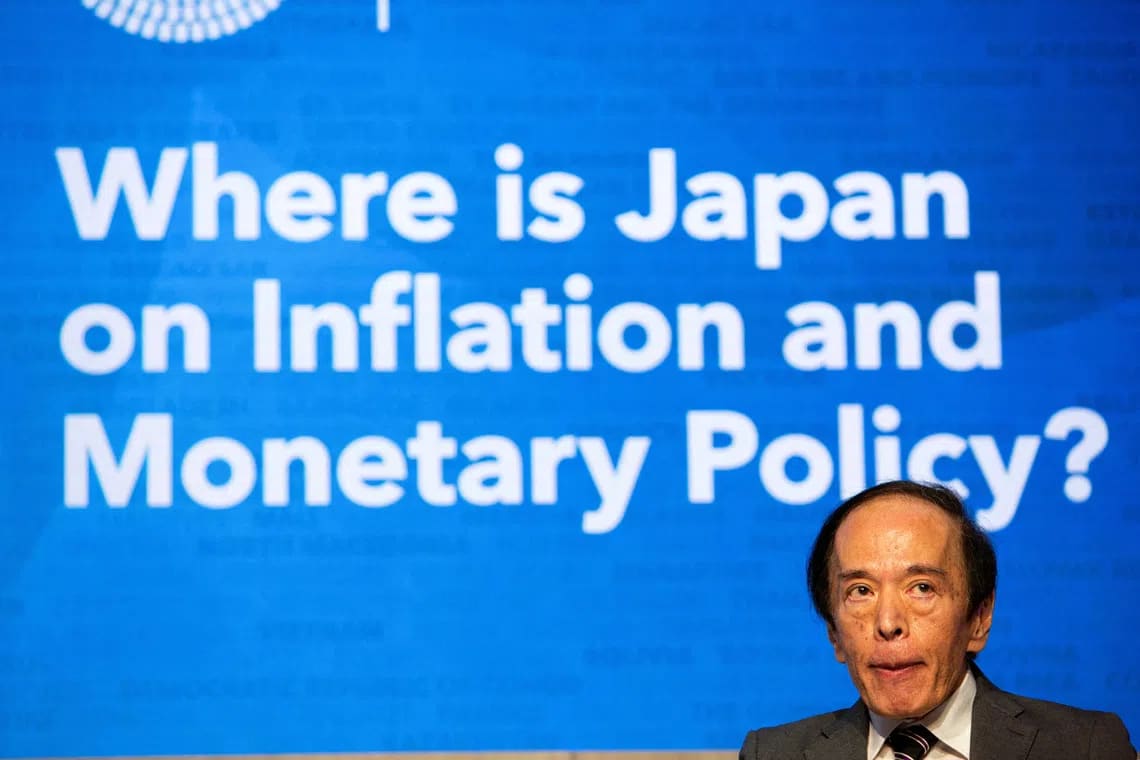
Against this backdrop, the Bank of Japan is expected to raise its policy rate to the highest level in 31 years when it concludes its meeting later on 18 September. Markets have fully priced in a 25 basis point increase, but the focus has shifted to the pace and trajectory of future moves.
Yen Volatility Reflects Policy Uncertainty
The Japanese yen softened to 156.23 per US dollar in early Asian trading as traders awaited the central bank's decision. Currency strategists noted that the rate increase itself is unlikely to provide significant support for the yen, given expectations are already embedded in pricing.
According to MUFG, the critical question for markets centres not on whether the Bank of Japan raises rates, but how Governor Kazuo Ueda communicates the path forward. The yen rallied earlier in September on expectations of faster tightening and signs of capital repatriation by Japanese investors, but those gains have partially reversed after the Federal Reserve adopted a more hawkish stance.
Commonwealth Bank of Australia expects the Bank of Japan to hike again in December, but warned that Governor Ueda may struggle to match the market's hawkish expectations. A 25 basis point move alone is unlikely to shift currency dynamics materially without clear guidance on the speed of subsequent increases.
The euro held steady at USD 1.148 but remained on track for a 1 per cent weekly decline, its steepest drop since June, as the dollar benefited from the Federal Reserve's pivot.
Commodity Movements
Spot gold rose 0.5 per cent to USD 4,361 per ounce, finding support as a hedge against inflation uncertainty. Energy markets remained sensitive to geopolitical developments, with traders watching for any signs that alternative supply routes could ease pressure from Middle East disruptions.
Chris Weston, head of research at Pepperstone, cautioned that volatility could return quickly if bond yields resume their climb. For now, buyers have regained some control in equity markets, and the post-Federal Reserve risk-off sentiment appears to have lost momentum. The durability of this rebound will depend on whether central banks can thread the needle between controlling inflation and avoiding excessive economic damage.
The convergence of monetary tightening across major economies marks a significant shift from the ultra-loose policies that defined the past decade. For Asian markets, the next few months will test whether regional growth can withstand higher borrowing costs while navigating persistent supply-side inflation pressures.
RELATED STORIES

Japan's Central Bank and Markets Diverge on Rate Hike Trajectory
Aiko Nakamura · 3 min

Bank of Japan to Continue Rate Increases to Anchor Inflation at 2 Per Cent
Aiko Nakamura · 3 min

Bank of Japan Eyes Rate Increase as Inflation Risks Mount
Cheng Wei-Lun · 4 min

Japan's Inflation Eases to 1.7% as Bank Weighs First Rate Rise in Decades
Aiko Nakamura · 3 min
Spot something wrong? Email editor@briefasia.com. We log every correction publicly.