Finance · Markets
Yen Climbs to Eight-Month High as Rate Hike Expectations Shift Sentiment
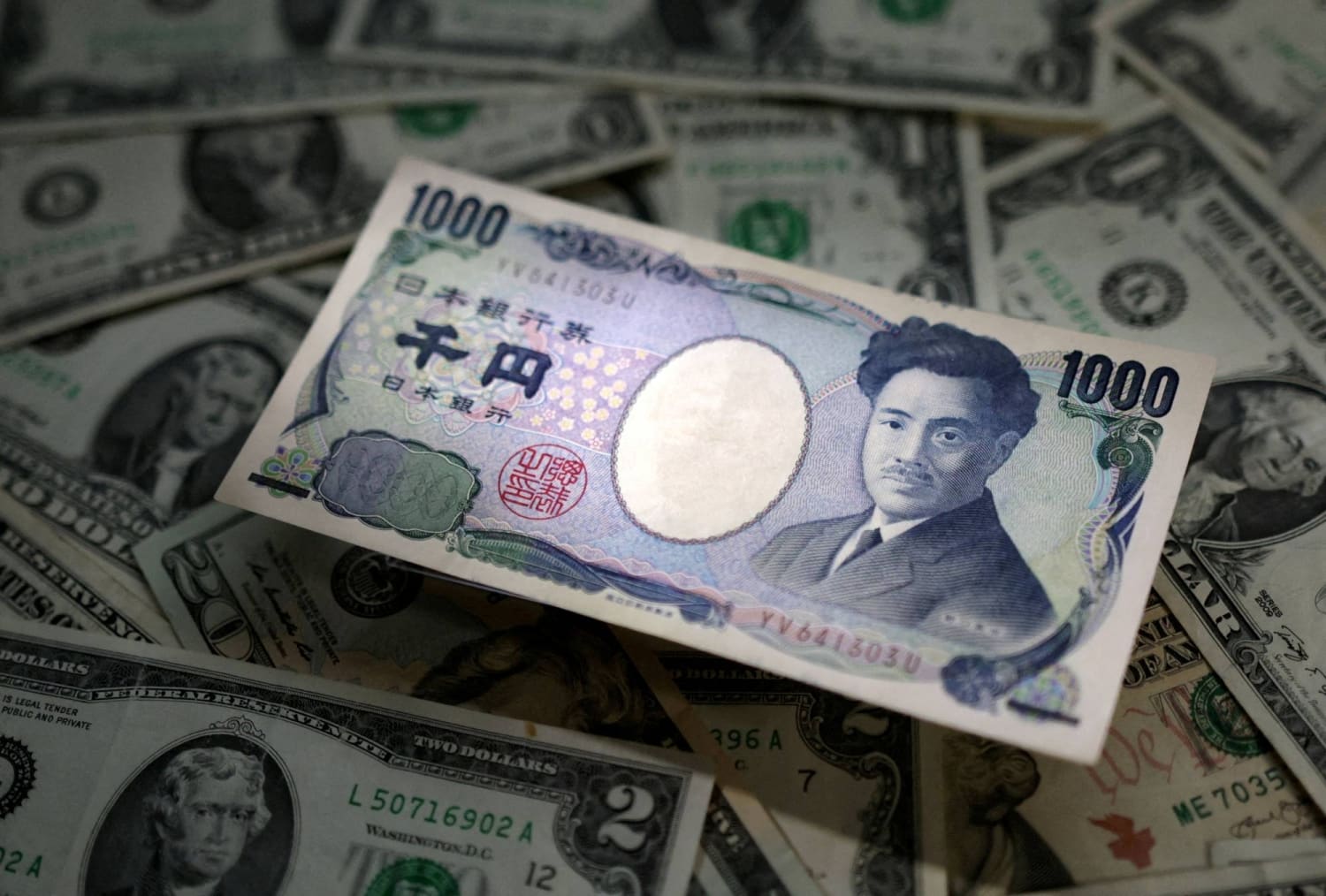
Japan's currency surged 1.4% to ¥154.06 against the dollar, reversing last week's slide to ¥160 as traders price in Bank of Japan policy tightening.
KEY TAKEAWAYS
- ·The yen gained 1.4% to ¥154.06 per dollar on Monday, its strongest level since February, reversing from last week's low of ¥160.39.
- ·The rally is driven by rising expectations that the Bank of Japan will continue raising interest rates, narrowing the yield gap with U.S. assets.
- ·Unlike earlier gains from government intervention, this move reflects organic market forces as traders unwind short yen positions built over two years.
Sharp Reversal in Currency Markets
The Japanese yen surged to ¥154.06 per dollar on Monday, marking its strongest position since February and outpacing gains seen during Tokyo's currency intervention operations earlier this year. The 1.4% rally represents a dramatic turnaround from last week's low of ¥160.39, a swing of more than six yen in a matter of days.
The move reflects a fundamental shift in how traders are positioning around Japanese monetary policy. Where previous yen strength relied on direct government intervention in foreign exchange markets, this rally is driven by market expectations that the Bank of Japan will continue raising interest rates from their historically low levels.
Policy Divergence Drives Flows
Currency markets are repricing the interest rate differential between Japan and other major economies, particularly the United States. For years, the yen weakened steadily as the Bank of Japan maintained ultra-loose monetary policy while the Federal Reserve and other central banks raised rates aggressively to combat inflation.
That dynamic is now shifting. With inflation running above the Bank of Japan's 2% target for consecutive months and wage growth showing signs of acceleration, traders are betting the central bank will move further away from its decade-long easing stance. Each incremental rate hike narrows the yield gap between Japanese government bonds and U.S. Treasuries, making yen-denominated assets more attractive to global investors.
The speed of the reversal caught many market participants off guard. Currency volatility has jumped as hedge funds and asset managers unwind short yen positions that had been profitable for much of the past two years. The unwinding itself creates additional buying pressure, amplifying the move.
Intervention Threshold Tested
The yen's advance past ¥154 is significant for another reason: it now trades stronger than levels that previously triggered Japanese authorities to step into markets. Earlier this year, when the currency weakened beyond ¥160, the Ministry of Finance conducted operations to support the yen, spending an estimated $60 billion in foreign reserves.
This time, the strengthening comes from organic market forces rather than official intervention. That distinction matters for sustainability. Intervention can provide temporary support but rarely changes the underlying trend unless fundamentals shift. The current rally suggests fundamentals are indeed moving in the yen's favor.
For Japanese exporters, particularly manufacturers in the automotive and electronics sectors, the stronger yen presents a headwind. A significant portion of their revenue comes from overseas sales, and each yen of appreciation reduces the value of those earnings when converted back to yen. Sony, Toyota, and other major exporters typically hedge currency exposure, but sudden moves can still impact quarterly results.
What Comes Next
The path forward depends heavily on the Bank of Japan's next policy decision and how clearly Governor Kazuo Ueda signals the pace of future rate increases. Market pricing currently reflects expectations for at least one more rate hike before year-end, with some traders positioning for two.
Economic data will be critical. If inflation remains elevated and wage negotiations continue to show strength, the case for further tightening becomes stronger. Conversely, any signs of economic weakness or falling inflation could prompt the central bank to pause, potentially reversing recent yen gains.
The broader question is whether this marks a structural shift in the yen's trajectory or a temporary retracement within a longer-term weakening trend. Currency strategists remain divided. Some argue Japan's demographics and persistent current account pressures will keep the yen under long-term pressure regardless of short-term rate moves. Others see the end of negative interest rates as a turning point that fundamentally changes the yen's valuation framework.
For now, momentum favors further yen strength, particularly if upcoming U.S. economic data supports expectations for Federal Reserve rate cuts later this year. That would compress the yield differential from both sides, accelerating flows back into Japanese assets.
RELATED STORIES

Bank of Japan Eyes Rate Increase as Inflation Risks Mount
Cheng Wei-Lun · 4 min
Bank of Japan Signals Possible Rate Increase This Month
Aiko Nakamura · 3 min

Japan Deploys $96.5 Billion in Currency Intervention to Halt Yen's Slide
Aiko Nakamura · 3 min

Japan Deploys Record ¥15.39 Trillion to Defend Yen in Two-Month Intervention
Cheng Wei-Lun · 3 min
Spot something wrong? Email editor@briefasia.com. We log every correction publicly.