Finance · Markets
Yen Climbs to 157 Per Dollar as Traders Eye Possible Tokyo Intervention
Japanese currency hits strongest level in over two months, reversing weeks of decline driven by fiscal concerns and Middle East uncertainty
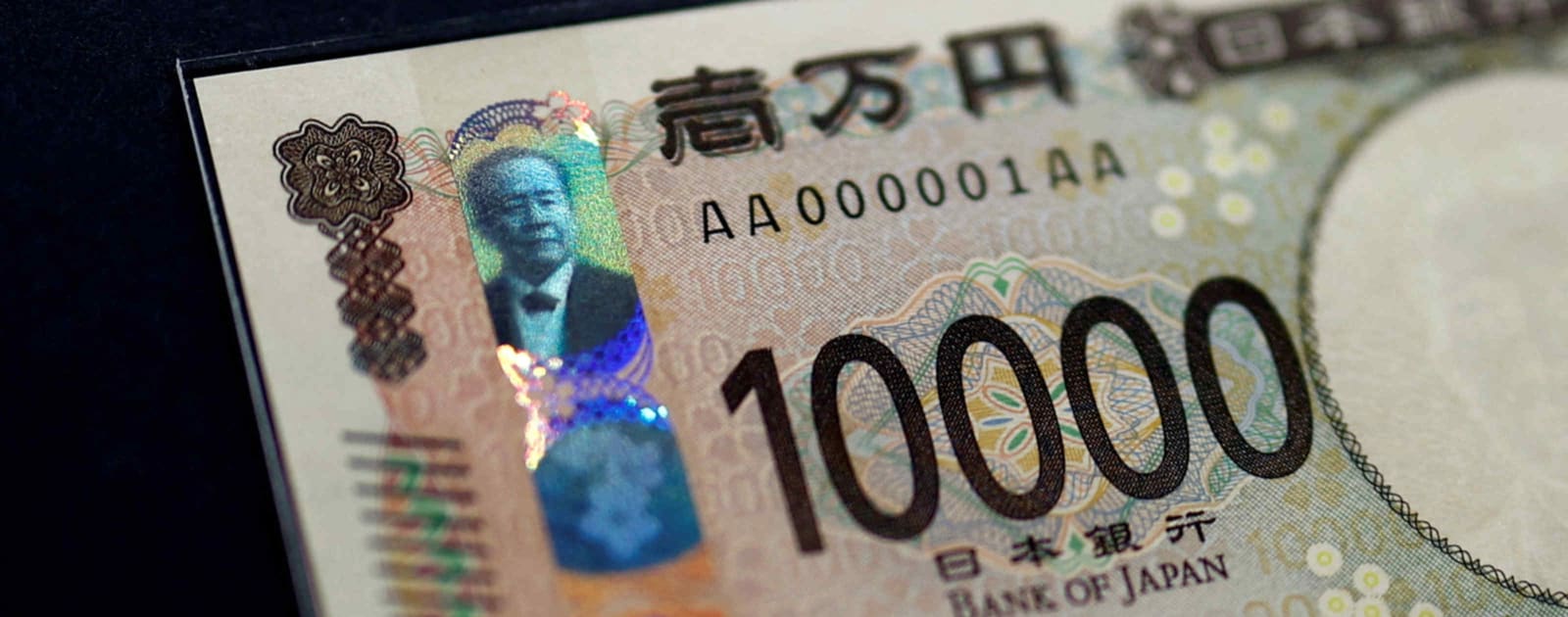
KEY TAKEAWAYS
- ·The yen strengthened to 157 per dollar Thursday, reaching its strongest level since mid-May after weeks of steady depreciation.
- ·Market observers noted the speed and scale of the move, with some suggesting Japanese authorities may have intervened to support the currency.
- ·Recent yen weakness stemmed from fiscal policy concerns in Japan and geopolitical uncertainty linked to Middle East conflict.
Sharp Reversal After Prolonged Weakness
The yen jumped to the 157 range against the dollar on Thursday, marking its strongest position since mid-May and reversing a prolonged slide that had raised concerns among Japanese policymakers. The sudden move caught traders' attention, with some market participants suggesting official intervention may have played a role.
The currency had been under sustained pressure in recent weeks, weakening steadily amid worries over Japan's fiscal position and broader geopolitical tensions stemming from conflict in the Middle East. Those factors had combined to push the yen lower even as other regional currencies showed more stability.
Reading the Market Signal
Currency markets rarely move in straight lines, but Thursday's spike stood out for its speed and magnitude. The yen's appreciation represented a notable departure from the trajectory it had followed for weeks, prompting traders to assess whether the move reflected organic market dynamics or official action.
Japan's Ministry of Finance has historically maintained a policy of intervening in currency markets when moves are deemed excessive or disorderly, though officials rarely confirm such operations in real time. The last confirmed intervention came in May, when authorities stepped in to support the yen after it had weakened beyond levels considered sustainable.
Broader Currency Pressures
The yen's recent weakness has been driven by multiple factors beyond Japan's borders. Fiscal policy concerns have weighed on investor sentiment, particularly as debates over government spending and debt sustainability continue in Tokyo. Meanwhile, heightened geopolitical risk linked to ongoing conflict in the Middle East has pushed investors toward perceived safe havens, though the dollar rather than the yen has been the primary beneficiary of that flight to quality.
The currency dynamics also reflect diverging monetary policy paths. While the Bank of Japan has maintained its ultra-loose stance, other central banks have kept rates elevated or signaled a slower path to easing, creating interest rate differentials that favor other currencies over the yen.
Watching for Confirmation
Market participants now face the question of whether Thursday's move marks a turning point or a temporary spike. If intervention did occur, the effectiveness will depend on whether it signals a sustained shift in policy or simply a one-time effort to smooth volatility.
Currency intervention can succeed in changing market psychology when it aligns with underlying economic fundamentals or when it comes alongside clear policy communication. Without those elements, the impact tends to fade quickly as traders test authorities' resolve and capital flows reassert their influence.
The yen's level matters for Japan's exporters, who benefit from a weaker currency that makes their products more competitive abroad, and for importers and consumers, who face higher costs when the yen depreciates. Policymakers must balance those competing interests while maintaining credibility in markets that process trillions of dollars in daily transactions.
What Comes Next
The currency's path forward will depend on several variables: whether Japanese authorities confirm any action, how monetary policy evolves in Tokyo and other major economies, and whether the factors that drove recent weakness persist or fade. Traders will watch for official statements and monitor order flows for signs of further government activity.
For now, the yen sits at a level that represents meaningful appreciation from its recent lows but remains weaker than where it traded through much of the past year. Whether that position holds will become clear in the sessions ahead as market participants digest Thursday's move and position for what may follow.
RELATED STORIES
Malaysian Ringgit Gains Ground as Markets Anticipate Fed and BOJ Rate Moves
Tran Quoc Bao · 2 min
Yen Climbs to Eight-Month High as Rate Hike Expectations Shift Sentiment
Jun-ho Seo · 3 min

Bank of Japan Prepares Third Rate Increase in Ten Months
Aiko Nakamura · 3 min

Japan's Megabanks Launch Digital Services to Capture SME Business
Aiko Nakamura · 3 min
Spot something wrong? Email editor@briefasia.com. We log every correction publicly.