Finance · Markets
Malaysian Ringgit Gains Ground as Markets Anticipate Fed and BOJ Rate Moves
Currency strengthens to 4.0560 per dollar on Wednesday morning as Treasury yields signal potential September policy shifts in Washington and Tokyo
KEY TAKEAWAYS
- ·The Malaysian ringgit opened at 4.0560 per US dollar on 9 September, strengthening from 4.0605 as markets priced in potential Federal Reserve and Bank of Japan rate hikes.
- ·US Treasury bill yields of 3.80 per cent and 3.89 per cent signal a possible Fed rate increase on 15-16 September, while Japanese GDP and wage data support a 25-basis-point BOJ hike on 18 September.
- ·Currency strategists view the expected Fed move as an insurance hike that could reverse quickly if West Asia tensions ease and oil prices stabilise in the mid-80s per barrel range.
Currency Opens Firmer Amid Rate Speculation
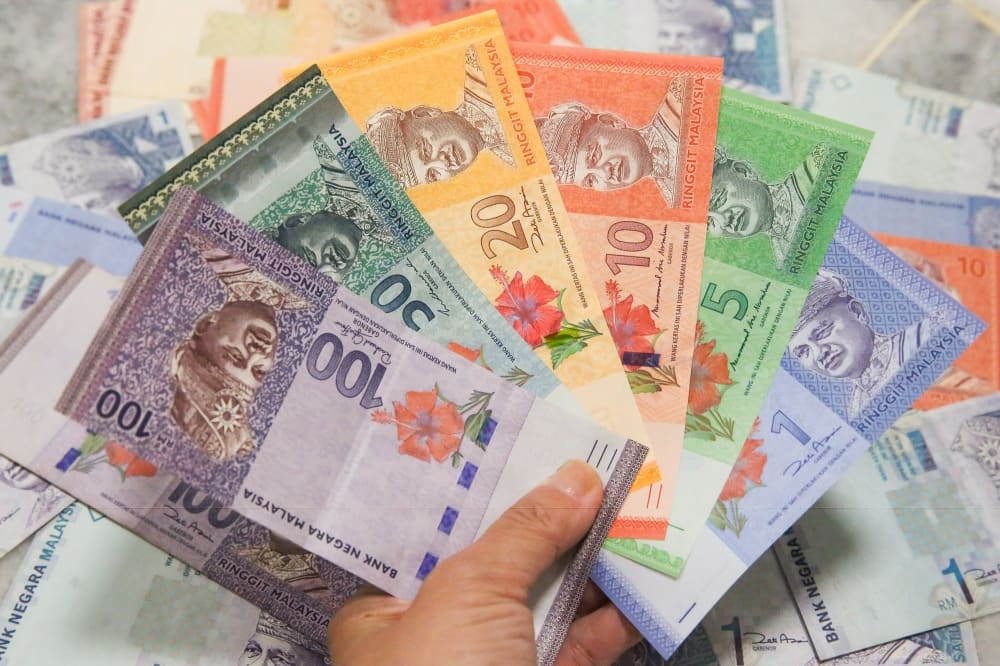
The Malaysian ringgit strengthened to 4.0560 per US dollar at the opening bell on Wednesday, gaining from the previous close of 4.0605, as currency traders positioned ahead of anticipated central bank moves in both the United States and Japan later this month.
The dollar's weakness came as US Treasury bill auctions signalled rising borrowing costs. Three-month bills yielded 3.80 per cent and six-month bills 3.89 per cent, according to Bank Muamalat Malaysia Bhd chief economist Mohd Afzanizam Abdul Rashid. Those levels suggest the Federal Reserve may opt for a rate increase when the Federal Open Market Committee convenes on 15-16 September.
At the same time, the Japanese yen firmed to 153.53 against the dollar, reflecting growing market conviction that the Bank of Japan will raise its policy rate at its 18 September meeting. The BOJ is widely expected to lift rates by 25 basis points, supported by stronger-than-forecast economic data and rising inflation that reached 1.9 per cent in July.
Japanese Data Underpins Rate-Hike Case
Japan's second-quarter GDP expanded at an annualised 1.4 per cent quarter-on-quarter, surpassing consensus estimates of 1.1 per cent. Wage growth among Japanese employees accelerated to 4.7 per cent year-on-year in July, well above market expectations of 3.9 per cent, according to Mohd Afzanizam.
The combination of solid growth and wage momentum has given the BOJ room to normalise policy after years of ultra-loose settings, a shift that is reverberating across Asian currency markets.
Insurance Hike or Tightening Cycle?
Not all market participants see the anticipated Fed move as the opening salvo of a prolonged tightening campaign. Quintex Intel global strategist Stephen Innes characterised the expected rate increase as an insurance measure rather than a shift in the broader policy stance.
Innes noted that investors expect any tightening to be short-lived, particularly if tensions in West Asia ease and crude oil prices settle back towards the mid-80s per barrel range, a level increasingly viewed as a new equilibrium.
Mixed Performance Against Global Peers
The ringgit weakened against most major currencies on Wednesday. It slipped to 2.6437 per 100 yen from 2.6374 at Tuesday's close, fell to 4.7167 per euro from 4.7151, and eased to 5.4934 per British pound from 5.4926.
Against regional currencies, the ringgit posted a mixed performance. It edged higher to 12.3241 per 100 Thai baht from 12.3285, strengthened to 6.47 per Philippine peso from 6.48, and rose to 230.0 per 10,000 Indonesian rupiah from 230.3.
The local currency softened slightly against the Singapore dollar, moving to 3.2081 from 3.2073.
What the Moves Signal
Wednesday's trading patterns illustrate how Asian currencies are navigating a period of policy divergence among major central banks. The ringgit's modest gain against the dollar reflects confidence that Malaysia's economy can weather tighter global monetary conditions, even as regional peers adjust to shifting rate expectations in Washington and Tokyo.
The focus now turns to mid-September, when both the Federal Reserve and Bank of Japan are scheduled to announce policy decisions that will shape currency flows and capital allocation across the region for the remainder of the year.
RELATED STORIES
Ringgit Set to Hold Gains as Malaysia Central Bank Meeting Nears
Priyanka V. Rao · 3 min
Malaysian Ringgit Strengthens on Strong US Jobs Data
Tran Quoc Bao · 3 min
Ringgit Strengthens as Malaysia's Stable Rates Signal Policy Flexibility
Mariel D. Santos · 3 min

Malaysia's Rare Earth Deposits Draw Foreign Interest Ahead of China Export Controls
Priyanka V. Rao · 3 min
Spot something wrong? Email editor@briefasia.com. We log every correction publicly.