Finance · Markets
Ringgit Strengthens as Malaysia's Stable Rates Signal Policy Flexibility
Currency gains ground after central bank holds overnight policy rate at 2.75 percent, while softer dollar adds momentum
KEY TAKEAWAYS
- ·Malaysia's ringgit strengthened to 4.0370 per US dollar after Bank Negara Malaysia held its overnight policy rate at 2.75 percent, signaling economic stability.
- ·The central bank's policy flexibility amid robust growth and contained inflation positions Malaysia in a favorable economic environment compared to regional peers.
- ·Softer US dollar conditions following Federal Reserve Governor Christopher Waller's dovish remarks provided additional support for emerging market currencies including the ringgit.
Rate Hold Reflects Economic Strength
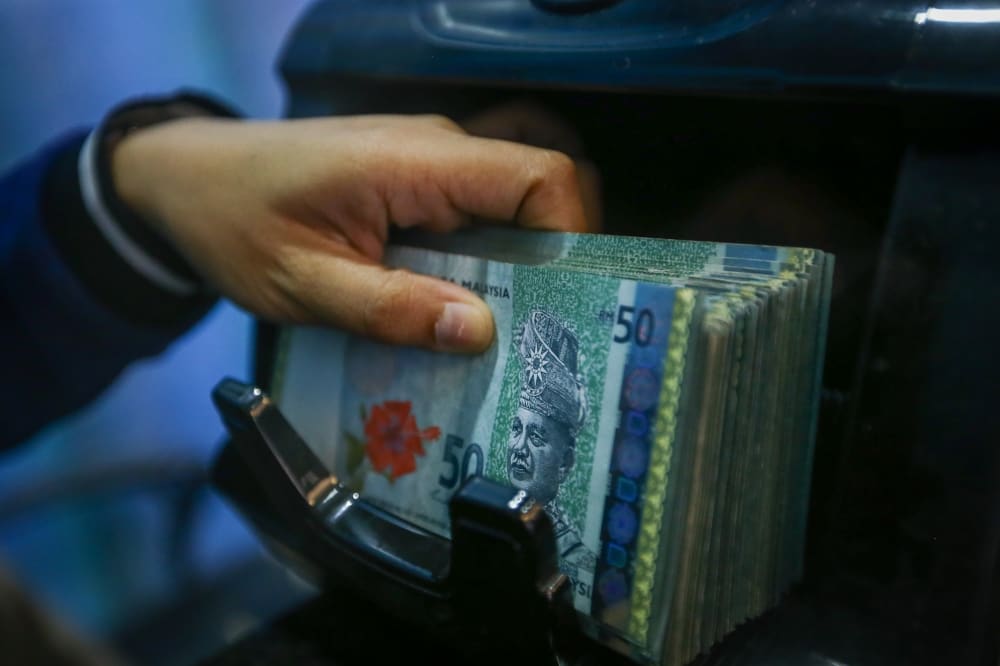
Malaysia's ringgit opened stronger on Friday morning, rising to 4.0370 against the US dollar from the previous close of 4.0405. The move came hours after Bank Negara Malaysia held its overnight policy rate steady at 2.75 percent, a decision that underscored the central bank's confidence in the economy's trajectory.
The Monetary Policy Committee's choice to keep borrowing costs unchanged reflects what economists describe as favorable conditions: growth remains solid while inflation pressures stay muted. This combination gives Malaysia's central bank flexibility that many regional peers currently lack, as some grapple with either slowing expansion or persistent price pressures that limit their policy options.
Dr. Mohd Afzanizam Abdul Rashid, chief economist at Bank Muamalat Malaysia, characterized the current environment as a "sweet spot" for the Malaysian economy. He noted that Bank Negara's ability to maintain policy flexibility without immediate pressure to tighten or ease rates could make the ringgit more attractive to investors seeking stability in emerging Asian markets.
Dollar Weakness Amplifies Gains
The ringgit's appreciation received additional support from overnight developments in US monetary policy expectations. Federal Reserve Governor Christopher Waller signaled openness to holding rates steady if inflation continues moving toward the Fed's two percent target, comments that weighed on the dollar broadly.
Waller's remarks reduced market expectations for a rate increase at the Federal Reserve's September meeting, triggering a pullback in the greenback that benefited emerging market currencies across the board. For the ringgit, this external tailwind compounded the domestic positive sentiment from Bank Negara's steady hand on policy.
The interplay between Malaysia's stable rate environment and softening US dollar conditions creates a dual support structure for the currency. While domestic fundamentals provide a floor, shifting expectations around Fed policy offer additional upside potential in the near term.
Mixed Performance Against Regional Peers
Against other major currencies, the ringgit showed mixed results. It weakened to 2.5936 per Japanese yen from 2.5838, slipped to 5.4608 against the British pound from 5.4539, and eased to 4.6942 per euro from 4.6894.
Performance against regional currencies was similarly varied. The ringgit declined to 3.1868 per Singapore dollar from 3.1850 and fell to 12.2668 per Thai baht from 12.2421. It held flat against the Philippine peso at 6.46 and gained marginally against the Indonesian rupiah, moving to 228.3 from 228.5.
These cross-currency movements reflect differing policy trajectories and economic conditions across Southeast Asia. While Malaysia's stable rate environment offers one set of dynamics, neighboring economies face their own inflation and growth considerations that influence relative currency performance.
Policy Flexibility as Currency Support
The concept of policy flexibility carries particular weight in current market conditions. Central banks with room to adjust rates in either direction without immediate economic distress signal underlying strength that can attract capital flows. For Malaysia, maintaining the overnight policy rate at 2.75 percent while sustaining growth and containing inflation demonstrates that balance.
This positioning contrasts with economies where central banks face difficult trade-offs between supporting growth and controlling prices. The ability to hold steady, rather than being forced into reactive policy moves, suggests confidence in the economic outlook and provides a foundation for currency stability.
As global investors assess opportunities across emerging markets, policy credibility and flexibility factor prominently in allocation decisions. Malaysia's current stance offers both, potentially drawing flows that further support the ringgit in coming sessions. The currency's Friday opening gains reflect this reassessment, with market participants pricing in the implications of Bank Negara's steady approach alongside softer dollar conditions.
RELATED STORIES

Ringgit Set to Hold Gains as Malaysia Central Bank Meeting Nears
Priyanka V. Rao · 3 min
Malaysian Ringgit Climbs on Export Strength as Markets Eye Fed Signals
Priyanka V. Rao · 3 min

Ringgit Gains Ground as Traders Await Fed Chair Warsh's Jackson Hole Address
Priyanka V. Rao · 3 min
Ringgit Weakens as Iran Sanctions and Jackson Hole Loom Over Markets
Priyanka V. Rao · 3 min
Spot something wrong? Email editor@briefasia.com. We log every correction publicly.