Finance · Markets
Malaysian Ringgit Strengthens on Strong US Jobs Data
Currency edges higher amid expectations of Federal Reserve rate hike following robust non-farm payrolls report
KEY TAKEAWAYS
- ·The Malaysian ringgit strengthened to 4.0415 per dollar in early Monday trading, up from 4.0425 on Friday.
- ·Stronger-than-expected US non-farm payrolls data has increased expectations that the Federal Reserve will raise interest rates at its September 15-16 meeting.
- ·The ringgit's resilience reflects Malaysia's export strength and stable fundamentals despite widening interest rate differentials with the United States.
Currency Opens Higher in Kuala Lumpur
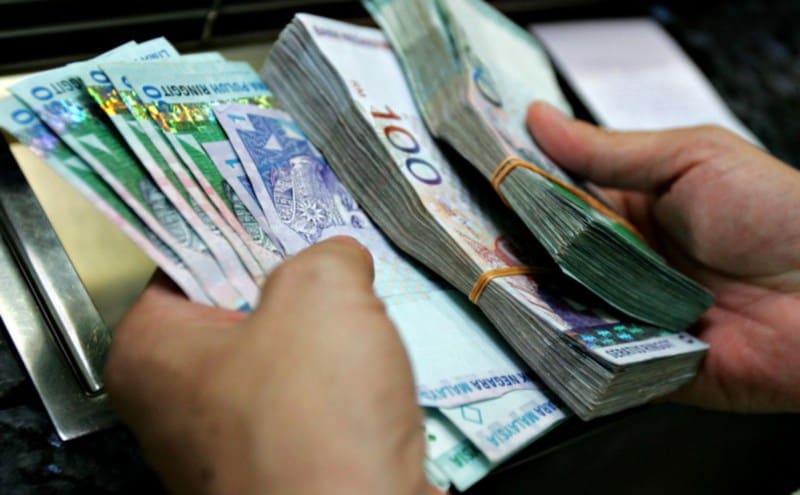
The Malaysian ringgit edged up against the US dollar in early trading Monday, strengthening to 4.0415 per dollar from Friday's close of 4.0425. The modest gain reflects market recalibration following robust US employment data released late last week.
The shift comes as traders digest non-farm payrolls figures that exceeded economist forecasts, prompting renewed speculation about the Federal Reserve's next policy move. Markets are now pricing in a higher probability of an interest rate increase at the central bank's upcoming policy meeting.
Rate Expectations Reshape Regional Currency Markets
According to Bank Muamalat Malaysia, the stronger-than-anticipated jobs report signals that the Federal Reserve is likely to tighten monetary policy when the Federal Open Market Committee convenes September 15-16. The employment data suggests the US economy retains enough momentum to withstand higher borrowing costs, a scenario that typically strengthens the dollar against emerging market currencies.
Yet the ringgit's resilience in this environment highlights a more nuanced dynamic. While rate hikes in advanced economies often trigger capital outflows from Asia, Malaysia's currency has held relatively steady, supported by the country's export performance and stable domestic fundamentals.
Regional Context and Policy Divergence
The ringgit's movement reflects broader tensions in Asian foreign exchange markets as central banks across the region navigate divergent policy paths. While the Federal Reserve leans toward tightening, several Southeast Asian monetary authorities have maintained accommodative stances to support post-pandemic recovery.
Malaysia's central bank has kept its overnight policy rate steady in recent months, prioritizing growth over pre-emptive inflation control. This policy divergence creates a widening interest rate differential that would ordinarily pressure the ringgit lower. The currency's ability to strengthen, even marginally, suggests other factors are at play.
Export revenues, particularly from commodities and electronics, continue to provide underlying support. Malaysia remains a key node in global semiconductor supply chains, and sustained demand for chips has bolstered the trade balance. Crude palm oil exports, another pillar of the economy, have benefited from tight global vegetable oil supplies.
Market Positioning Ahead of Fed Decision
Currency traders are watching the September FOMC meeting closely. A rate hike would mark a continuation of the Fed's inflation-fighting campaign, potentially lifting US Treasury yields and making dollar-denominated assets more attractive to international investors.
For the ringgit, much depends on how aggressively the Fed signals future moves. A single rate increase accompanied by dovish forward guidance might limit dollar strength. Conversely, a hawkish tone projecting a sustained tightening cycle could renew pressure on regional currencies.
Malaysian policymakers are also monitoring capital flows. Foreign holdings of domestic government bonds have fluctuated in recent quarters as investors weigh returns against currency risk. A stable or appreciating ringgit reduces that risk, making Malaysian assets more appealing to offshore funds.
What Comes Next
The ringgit's trajectory through the rest of September will hinge on two variables: the Fed's policy decision and Malaysia's own economic data releases. Inflation figures, trade balances, and industrial production numbers due later this month will offer fresh insights into the economy's health and the central bank's room to maneuver.
If US rate increases proceed as markets expect, regional currencies including the ringgit may face renewed headwinds. But Malaysia's relatively strong external position and diversified export base provide buffers that some neighboring economies lack. The coming weeks will test whether those buffers are enough to sustain the ringgit's modest gains.
RELATED STORIES
Ringgit Gains Ground as Traders Await Fed Chair Warsh's Jackson Hole Address
Priyanka V. Rao · 3 min
Malaysian Ringgit Climbs on Export Strength as Markets Eye Fed Signals
Priyanka V. Rao · 3 min
Ringgit Strengthens as Malaysia's Stable Rates Signal Policy Flexibility
Mariel D. Santos · 3 min
Ringgit Weakens as Iran Sanctions and Jackson Hole Loom Over Markets
Priyanka V. Rao · 3 min
Spot something wrong? Email editor@briefasia.com. We log every correction publicly.