Finance · Banking
Japan's Megabanks Launch Digital Services to Capture SME Business
Mizuho Financial Group unveils Upsider Bank as major lenders compete for underserved small and medium enterprise segment

KEY TAKEAWAYS
- ·Mizuho Financial Group launched Upsider Bank on 30 June, a digital platform designed specifically for small and medium enterprises in Japan.
- ·Japanese megabanks are competing aggressively for the SME segment, which employs 70 per cent of the private workforce but remains underserved by traditional banking products.
- ·Digital platforms using real-time data and machine learning aim to offer dynamic credit lines and reduce administrative friction for small businesses.
Mizuho Enters SME Digital Banking
Mizuho Financial Group announced Upsider Bank on 30 June, a dedicated service tailored for small and medium-size businesses in Japan. President Masahiro Kihara unveiled the platform at an event in Tokyo's Chiyoda Ward, signalling the bank's commitment to a segment that has historically received less attention from major financial institutions.
The move reflects a broader shift among Japanese megabanks, which are increasingly viewing SMEs as a growth opportunity rather than a compliance burden. Traditional banking services have often treated smaller enterprises as extensions of retail banking, offering limited credit lines and generic products that fail to address the specific cash flow, procurement, and expansion challenges these companies face.
Upsider Bank aims to streamline financial management for businesses navigating seasonal revenue swings, inventory financing, and cross-border supplier payments. The platform consolidates credit facilities, transaction accounts, and business analytics into a single interface, reducing the administrative overhead that typically forces SME owners to split attention between operations and financial administration.
A Competitive Landscape Takes Shape
Mizuho's launch comes amid heightened competition in Japan's SME banking sector. Sumitomo Mitsui Financial Group and Mitsubishi UFJ Financial Group have both expanded their digital offerings over the past eighteen months, rolling out mobile-first account management tools and embedded lending products that integrate directly with accounting software widely used by Japanese small businesses.
The strategic rationale is straightforward. Japan's SME sector employs roughly 70 per cent of the private-sector workforce and generates a substantial share of domestic economic output. Yet many of these firms remain underbanked, relying on personal guarantees, family capital, or informal credit networks to fund operations. Digital platforms that can underwrite risk more accurately and deliver capital more quickly stand to capture significant market share.
Regional banks have also entered the fray, partnering with fintech firms to offer specialised products such as invoice financing and supply-chain credit. This fragmentation has created pressure on the megabanks to differentiate through scale, brand trust, and the ability to bundle services across corporate treasury, trade finance, and foreign exchange.
Technology as the Differentiator
The technical architecture underpinning these new services relies on API-driven integration with enterprise resource planning systems, e-commerce platforms, and government portals. By ingesting real-time transaction data, the banks can offer dynamic credit lines that adjust to a company's current receivables and inventory levels, rather than static loans based on annual financial statements.
Mizuho has indicated that Upsider Bank will leverage machine learning models to assess creditworthiness, drawing on a wider array of data points than traditional balance-sheet analysis. This approach mirrors developments in other Asian markets, where alternative credit scoring has unlocked lending to businesses that lack extensive financial histories or collateral.
The platform also addresses a pain point specific to Japan's business culture: the persistence of paper-based invoicing and manual reconciliation. By digitising these workflows, Upsider Bank reduces the friction that has deterred many SMEs from adopting more sophisticated financial tools.
Implications for the Broader Market
The megabanks' push into SME services carries implications beyond individual institutions. As digital platforms gain traction, they generate network effects that can lock in customers and create switching costs. An SME that integrates its payroll, procurement, and credit facilities into a single bank's ecosystem faces significant operational disruption if it moves to a competitor.
This dynamic is likely to accelerate consolidation in Japan's banking sector, as smaller institutions struggle to match the technology investments required to remain competitive. It may also spur regulatory attention, particularly if concerns arise about data portability, interoperability, and the concentration of SME financial relationships among a handful of large players.
For SMEs themselves, the expansion of digital banking options represents a welcome shift. Access to faster credit decisions, lower transaction costs, and more flexible financing structures can materially improve cash flow management and enable investment in growth initiatives that were previously out of reach.
The success of Upsider Bank and similar platforms will ultimately depend on execution: user experience, reliability, pricing transparency, and the ability to deliver on the promise of frictionless financial management. Early adoption metrics and customer retention rates over the next twelve to eighteen months will offer the first clear signals of whether Japan's megabanks can translate strategic intent into sustainable competitive advantage in the SME market.
RELATED STORIES

Japanese Banks Pull Back from Mortgage Lending as Corporate Loans Return
Aiko Nakamura · 3 min
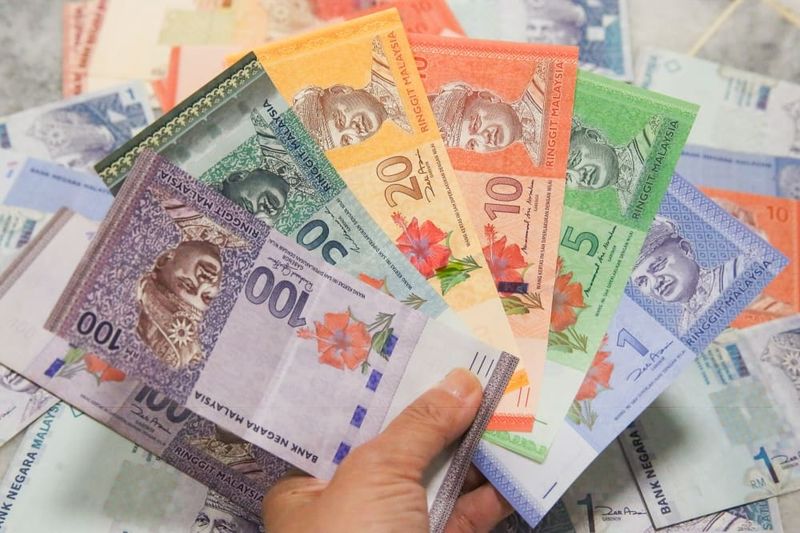
Malaysian Ringgit Gains Ground as Markets Anticipate Fed and BOJ Rate Moves
Tran Quoc Bao · 2 min

Japan Wage Growth Hits 29-Year High, Reinforcing Central Bank Rate Path
Aiko Nakamura · 3 min

ABN Amro Clearing to Break Into Japan's Power Futures Market
Tran Quoc Bao · 3 min
Spot something wrong? Email editor@briefasia.com. We log every correction publicly.