Finance · Markets
ABN Amro Clearing to Break Into Japan's Power Futures Market
Dutch bank's unit will become the first major international player in Tokyo's electricity trading arena, challenging the dominance of local brokers
KEY TAKEAWAYS
- ·ABN Amro Clearing will enter the Tokyo Commodity Exchange electricity futures market in September 2026, becoming the first major international clearing house to do so.
- ·The Tokyo exchange holds only a small share of Japan's electricity futures volume, with most liquidity concentrated on the European Energy Exchange.
- ·The move could shift market structure if other global players follow, or confirm that Tokyo's platform remains too fragmented to attract sustained international participation.
First Mover in a Local Game
ABN Amro Clearing, the subsidiary of Dutch banking group ABN Amro, is preparing to launch electricity futures brokerage operations on the Tokyo Commodity Exchange as early as this month. The move will make it the first major international clearing house to enter a market that has remained largely the domain of smaller Japanese trading firms.
The clearing unit expects to meet qualification requirements for brokering trades and handling settlements in September 2026, according to people familiar with the matter. The entry signals growing international interest in Japan's evolving power markets, even as most liquidity remains concentrated offshore.
A Market Split Between Tokyo and Europe
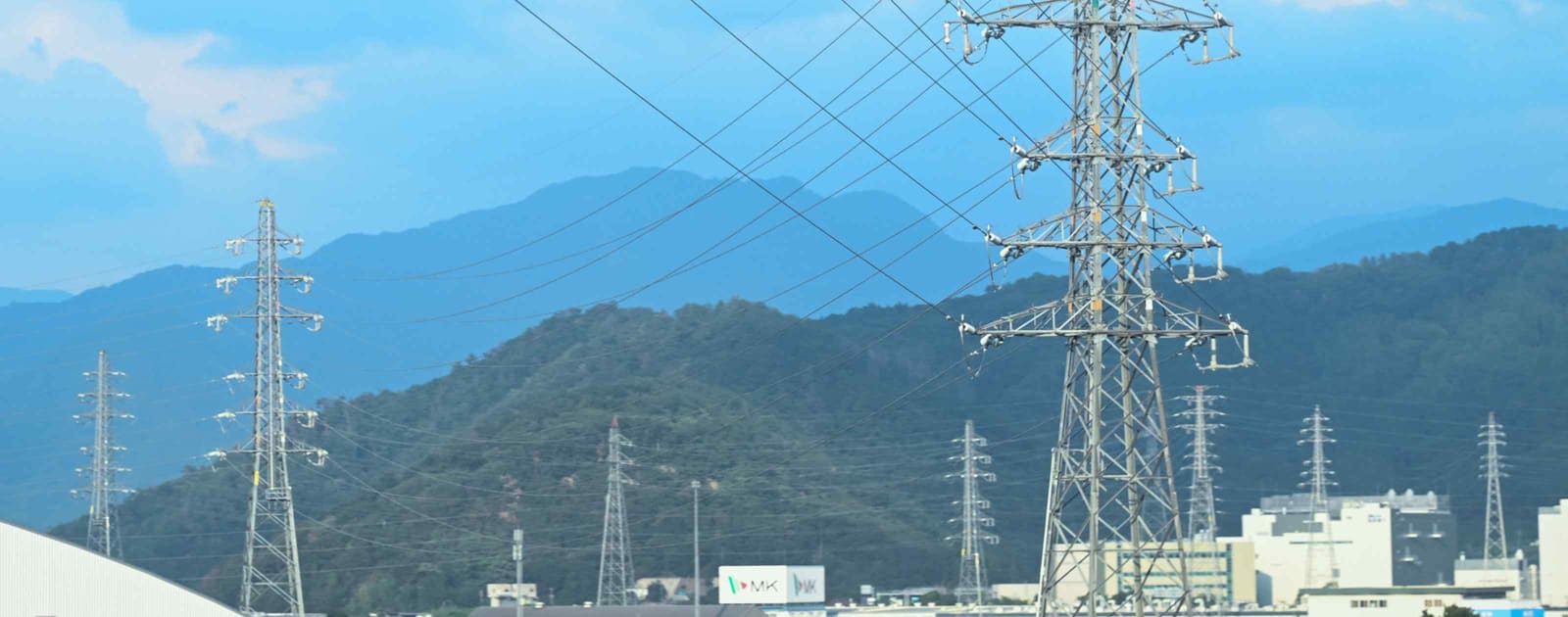
Japan's electricity futures trading landscape is fragmented. The Tokyo Commodity Exchange operates a domestic market, but the bulk of trading volume flows through the European Energy Exchange, which offers far deeper liquidity. That split has constrained the growth of Tokyo's own platform, leaving it with a modest share of total activity.
ABN Amro Clearing's decision to pursue Tokyo exchange membership suggests the firm sees opportunity in serving Japanese utilities, retailers, and industrial buyers who need to hedge domestic price risk. While the European platform handles larger volumes, contracts tied to Japanese delivery points require local infrastructure and regulatory compliance that international players have historically avoided.
Why a Global Player Moves Now
Several factors may be driving the timing. Japan's electricity market has undergone gradual liberalization since 2016, opening retail competition and creating more participants who need hedging tools. Renewable energy integration has also increased price volatility, raising demand for futures contracts among generators and consumers alike.
ABN Amro Clearing already operates in commodity and energy markets across Europe and Asia. Establishing a presence on the Tokyo exchange gives the firm direct access to Japanese counterparties and positions it to capture clearing fees as domestic trading activity expands. The firm's scale and risk management infrastructure could also attract clients looking for a more robust alternative to smaller local brokers.
Implications for Market Structure
The arrival of a major international clearing house could shift competitive dynamics. Smaller Japanese brokers have long held relationships with domestic utilities and trading houses, but they lack the capital base and technology platforms that global firms bring. If ABN Amro Clearing can offer tighter spreads, faster execution, or better collateral management, it may pull volume away from incumbents.
At the same time, the firm will need to navigate Tokyo's regulatory environment and build trust with market participants who value local expertise. Clearing houses must maintain strict risk controls, especially in energy markets where price swings can be severe. Any misstep could undermine confidence in both the firm and the broader exchange.
What to Watch
Market participants will be watching whether ABN Amro Clearing's entry catalyzes further international interest. If other global players follow, the Tokyo Commodity Exchange could see a step change in liquidity and product innovation. Conversely, if the firm struggles to gain traction, it may confirm that Japan's electricity futures market remains too fragmented or illiquid to justify the operational costs.
The balance between domestic and offshore trading venues will also be a key indicator. A stronger Tokyo exchange would give Japanese hedgers more local options and reduce reliance on European platforms. But if liquidity continues to concentrate abroad, even a major clearing house may find the market difficult to build.
RELATED STORIES
Bank of Japan Signals Possible Rate Increase This Month
Aiko Nakamura · 3 min

Japan Deploys $96.5 Billion in Currency Intervention to Halt Yen's Slide
Aiko Nakamura · 3 min

Japan Deploys Record ¥15.39 Trillion to Defend Yen in Two-Month Intervention
Cheng Wei-Lun · 3 min

Bank of Japan Signals Possible Rate Move in September
Aiko Nakamura · 3 min
Spot something wrong? Email editor@briefasia.com. We log every correction publicly.