Asia · Trade
Washington Sets Price Floor and Tariffs on Polysilicon to Protect Domestic Supply Chain
A 15 percent tariff and minimum import prices target strategic materials for semiconductors and solar panels, with China's dominance in polysilicon production in focus
KEY TAKEAWAYS
- ·The White House introduced a 15 percent tariff and minimum import prices on polysilicon and related products, effective December 4, 2026, to rebuild U.S. production capacity that fell from 50 percent global share in 2005 to under 2 percent in 2024.
- ·The measures follow a Commerce Department Section 232 investigation and target China's dominance in polysilicon supply, aiming to create cost parity for domestic producers and incentivize onshoring of semiconductor and solar material supply chains.
- ·Asian producers in South Korea and Japan may gain export opportunities, while Southeast Asian manufacturers relying on low-cost Chinese polysilicon face higher input costs when serving the U.S. market.
Strategic Materials Under New Trade Controls
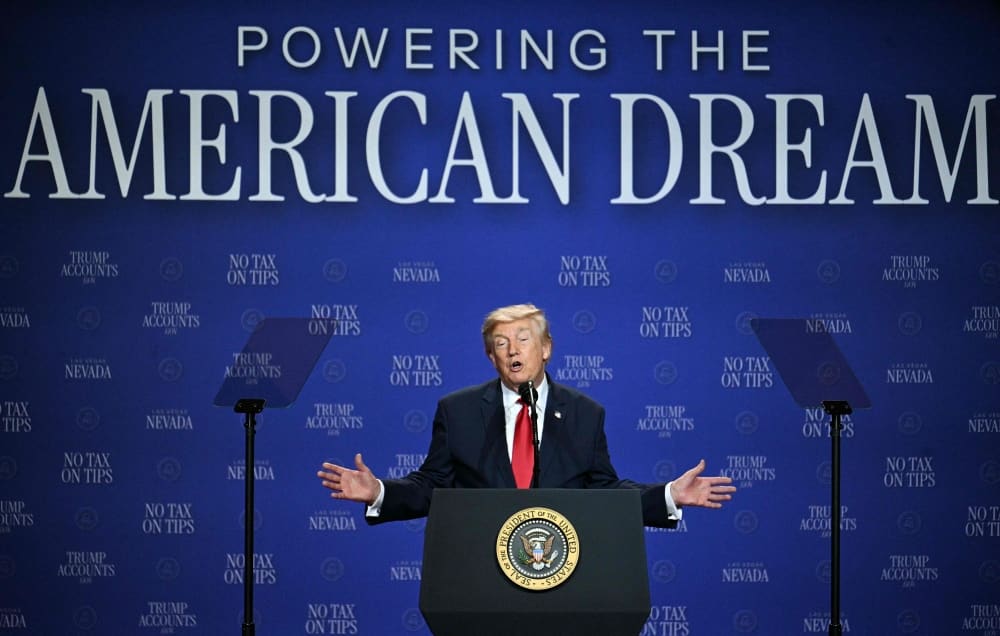
The White House announced Thursday a dual mechanism of tariffs and minimum pricing on polysilicon imports, targeting a material essential to both semiconductor fabrication and solar panel manufacturing. The measures take effect December 4, 2026, imposing a 15 percent tariff on products incorporating polysilicon alongside baseline import prices for the raw material, wafers, and solar cells.
Commerce Secretary Howard Lutnick framed the intervention as supply chain security, calling polysilicon a "foundational product" for chips with defense applications. The order follows a year-long Commerce Department investigation launched in July 2025 under Section 232 of the Trade Expansion Act of 1962, the same statute previously invoked for steel, aluminum, and automotive tariffs.
U.S. production capacity for polysilicon has contracted sharply over two decades. According to White House data, the domestic share of global capacity fell from 50 percent in 2005 to less than 2 percent in 2024. The administration argues the decline leaves critical supply chains exposed, particularly for defense-related semiconductor components.
Asia Angle: China's Polysilicon Dominance
While the Commerce investigation did not explicitly name countries, China controls the majority of global polysilicon output and solar supply chain infrastructure. Beijing has invested heavily in polysilicon refineries in Xinjiang and other regions, achieving economies of scale that undercut competitors in the U.S., Europe, and Japan.
The price floor mechanism is designed to neutralize China's cost advantage, which Washington characterizes as dumping. By setting minimum import prices, the order attempts to make domestic production viable again without outright bans. The tariff layer adds a second cost hurdle for foreign suppliers.
For Asian markets outside China, the measures create mixed effects. Polysilicon producers in South Korea and Japan may find renewed export opportunities if U.S. buyers seek alternatives to Chinese material. However, downstream manufacturers across Southeast Asia that rely on low-cost Chinese polysilicon for solar cells and wafers face higher input costs when selling into the U.S. market.
Section 232 Authority Survives Legal Challenges
The polysilicon order represents one of the few trade tools still available to the administration after broader tariff programs faced judicial setbacks. In February 2026, the Supreme Court struck down wide-ranging duties affecting dozens of trading partners, but tariffs justified by Section 232 national security investigations remained enforceable.
Last month, the administration deployed alternative legal frameworks to impose duties on 60 countries, reconstructing portions of the tariff architecture dismantled by the court. The polysilicon action fits this pattern: narrow, sector-specific, and anchored in national security rationale tied to defense semiconductor supply.
Lutnick told reporters the goal is onshoring. "We're making the products here, but we need the supply chain here. So this will bring the supply chain here," he said. The administration projects the tariff and price floor combination will incentivize new polysilicon refining capacity in the U.S., reversing the two-decade trend.
Implications for Semiconductor and Solar Industries
Polysilicon is refined from metallurgical-grade silicon and serves as feedstock for monocrystalline and polycrystalline wafers used in both photovoltaic cells and integrated circuits. The material's purity requirements differ by application, with semiconductor-grade polysilicon demanding higher specifications than solar-grade.
U.S. semiconductor fabs currently source polysilicon from a mix of domestic suppliers, notably REC Silicon and Hemlock Semiconductor, and imports. The price floor may allow these domestic producers to expand output without being undercut. However, fab operators and solar manufacturers warn that higher polysilicon costs could ripple through to end products, potentially raising prices for chips and solar installations.
Industry groups have yet to issue detailed responses, but initial reactions from solar developers express concern over cost impacts. The semiconductor sector, by contrast, has lobbied for supply chain resilience measures, viewing the trade-off as acceptable for strategic autonomy.
The December 4 effective date gives importers and manufacturers four months to adjust procurement and inventory strategies. Market participants will watch whether the tariff and price floor are calibrated high enough to spur meaningful domestic investment without triggering supply shortages or sharp price spikes in wafer and cell markets across Asia and North America.
RELATED STORIES

Manila Eyes Nickel Processing to Escape China's Price Control
Priyanka V. Rao · 4 min
Washington's Polysilicon Tariffs Set to Squeeze Korean Solar Producers
Cheng Wei-Lun · 3 min

7-Eleven Owner Calls China Its Toughest Market Amid Subsidy Wars
Cheng Wei-Lun · 3 min
Shein Retreats From Vietnam Warehouse Bet as China Manufacturing Proves Irreplaceable
Cheng Wei-Lun · 4 min
Spot something wrong? Email editor@briefasia.com. We log every correction publicly.