Asia · Business
Vietnam's Infrastructure Firms Cash In on State Spending Surge
Top steelmaker doubles first-half profit as government accelerates public investment across materials and construction sectors
KEY TAKEAWAYS
- ·Vietnam's largest steelmaker doubled first-half net profit as government infrastructure spending drove double-digit earnings growth across materials and construction sectors.
- ·Public investment acceleration has created sustained demand for steel and cement, with order books for domestic suppliers extending into next year.
- ·The spending surge tests Vietnam's fiscal discipline as the government balances infrastructure priorities against debt sustainability and credit profile maintenance.
Steel and Materials Lead the Rally
Vietnam's largest steelmaker recorded net profit that doubled in the first half of this year, driven by a wave of government infrastructure contracts that rippled through the materials sector. The company's performance reflects a broader pattern: construction materials and infrastructure firms across the country are posting double-digit earnings growth as Hanoi accelerates public investment.
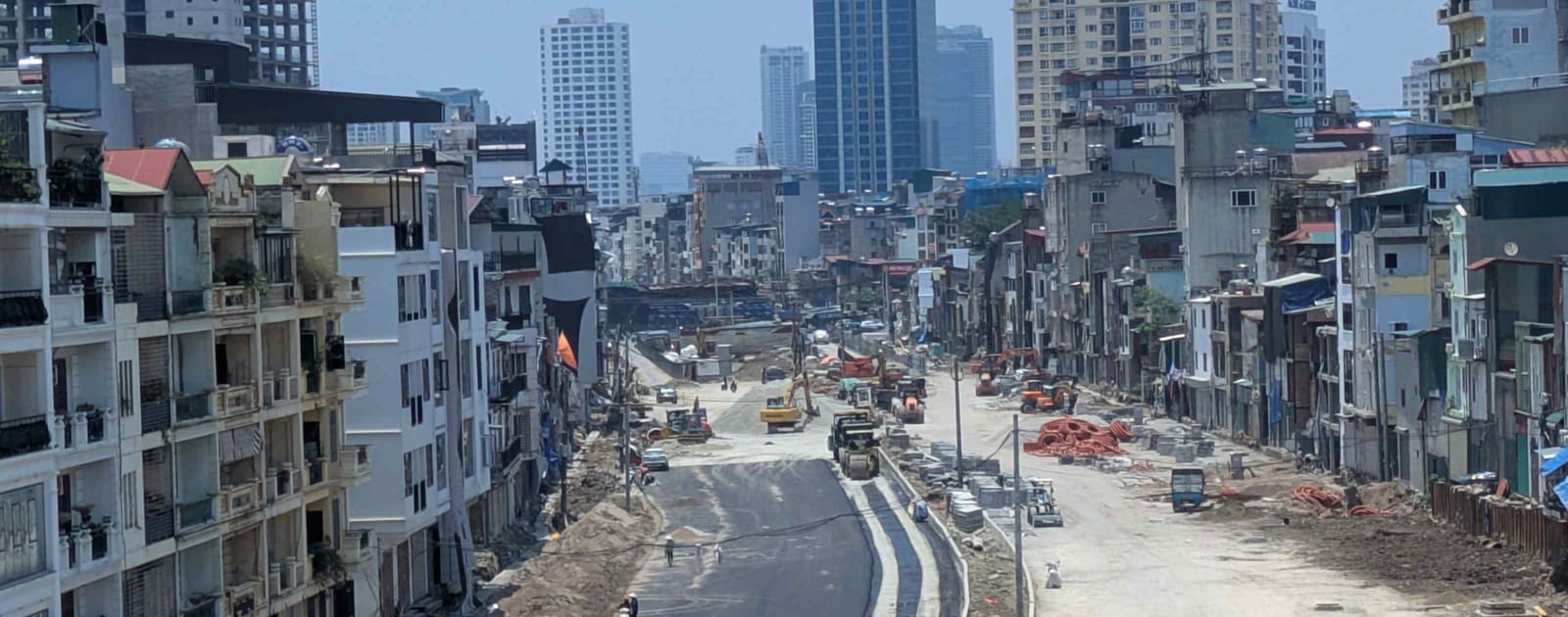
The surge comes as Vietnam executes one of Southeast Asia's most ambitious infrastructure buildouts, with road construction visible across major cities and transportation corridors receiving priority funding. The capital city has become a showcase for the program, with multiple highway and bridge projects under simultaneous development.
Government Spending Flows Through Supply Chains
Public investment has created sustained demand for steel, cement, and construction services, translating directly into revenue for domestic suppliers. Companies that supply rebar, structural steel, and prefabricated components have seen order books extend well into next year.
The earnings momentum spans beyond raw materials. Engineering firms, equipment lessors, and logistics providers tied to infrastructure projects are reporting improved margins as project timelines accelerate and payment cycles shorten compared to previous years.
Financial results released this month show the trend is sector-wide rather than confined to a handful of market leaders. Mid-tier construction companies and regional materials suppliers are posting growth rates that match or exceed those of industry giants, suggesting the spending wave is reaching secondary cities and provincial projects.
Fiscal Push Targets Development Gaps
Vietnam's government has prioritized infrastructure investment as a lever to maintain economic momentum and attract foreign manufacturing. The spending targets transportation networks, industrial parks, and urban utilities - areas where capacity constraints have historically limited growth.
The public investment acceleration follows years of relatively conservative fiscal policy. Budget execution rates had lagged targets in previous cycles, but disbursement has picked up sharply over the past 18 months as ministries streamline approval processes and provincial authorities gain experience managing large projects.
State-owned enterprises and local contractors are the primary beneficiaries, though international engineering firms and equipment suppliers are also participating through joint ventures and subcontracting arrangements. The procurement structure favors domestic content, channeling spending toward Vietnamese materials producers.
Outlook Tied to Budget Discipline
The infrastructure boom poses a test for Vietnam's fiscal management. The spending surge must be balanced against revenue constraints and debt sustainability targets, particularly as the government seeks to maintain its credit profile while funding the buildout.
Analysts note that the current pace of disbursement is unlikely to continue indefinitely. Budget cycles and project completion timelines will create natural peaks and troughs in demand, meaning materials companies may face tougher comparisons in coming quarters.
For now, the construction sector is riding strong momentum. Equipment utilization rates remain high, and backlog visibility extends through the remainder of the year. Whether earnings growth can be sustained will depend on the government's ability to maintain investment levels without triggering fiscal concerns that could prompt a pullback.
RELATED STORIES

Citi Lifts Vietnam Growth Outlook to 8% on Export Strength and Domestic Resilience
Priyanka V. Rao · 3 min
Indonesia's Food Exports Reach $6.25 Billion, Fourth in ASEAN Behind Thailand and Vietnam
Siti Nuraini · 3 min

Vietnam's Durian Shipments to China Jump 43% as Harvest Season Peaks
Tran Quoc Bao · 3 min
Vietnam Automakers Push to Relax Euro 5 Tech Transfer Rules
Priyanka V. Rao · 3 min
Spot something wrong? Email editor@briefasia.com. We log every correction publicly.