Asia · Business
Citi Lifts Vietnam Growth Outlook to 8% on Export Strength and Domestic Resilience
The investment bank revised its 2026 forecast upward after second-quarter GDP surged 8.5%, driven by resilient electronics exports and infrastructure spending despite earlier energy shocks.

KEY TAKEAWAYS
- ·Citi Research raised Vietnam's 2026 GDP growth forecast to around 8% after second-quarter expansion reached 8.5%, exceeding earlier projections.
- ·Electronics exports to the U.S. and China remained resilient despite earlier energy shocks, supported by global AI infrastructure investment and regional supply-chain integration.
- ·Inflation hit 4.7% in June and may stay above the 4.5% target near-term, while risks include energy volatility and potential El Niño disruption to hydropower.
Stronger Performance Prompts Revision
Citi Research has revised its 2026 GDP growth forecast for Vietnam to approximately 8%, up from an earlier projection in the low-7% range. The upgrade follows second-quarter GDP expansion of 8.5% year-on-year, an acceleration from 7.9% in the first quarter that exceeded market expectations.
The bank had previously lowered its outlook after energy-price disruptions in March created headwinds for the economy. The rebound in growth momentum prompted analysts to reassess the trajectory. Citi presented the updated forecast at client seminars in Hanoi and Ho Chi Minh City on August 11 and 12.
Vietnam's economy has demonstrated greater resilience than anticipated, particularly in its export sectors and domestic investment activity. The performance underscores the country's deepening role in regional manufacturing networks and its ability to absorb external shocks.
Electronics and AI Infrastructure Drive Export Demand
Export activity has held up better than initial projections suggested. The United States remains Vietnam's largest export destination, absorbing roughly 30% of total shipments. Electronics have been a standout category, benefiting from sustained global capital expenditure in artificial intelligence infrastructure and digital systems.
While export growth to the U.S. has moderated from its 2025 peak, the pace remains elevated compared to historical trends. Demand for semiconductors, servers, and related components continues to support manufacturing activity in Vietnam's industrial zones.
Trade flows with China have also strengthened. Vietnam's shipments of electronics and components to China have picked up pace in recent months, while imports of electronic inputs, energy products, and chemicals have risen. The pattern reflects Vietnam's expanding integration into regional supply chains, particularly in electronics assembly and intermediate goods production.
Domestic Demand Absorbs Energy Shock
Internal consumption and investment have helped cushion the economy against external volatility. Real retail sales weakened in early Q2 as fuel prices climbed, but recovered as prices stabilized through the quarter. Consumer spending patterns have normalized following the energy-price spike.
Public infrastructure investment has remained robust throughout the year. Construction-material production has sustained double-digit growth rates, though the pace has eased slightly from first-quarter levels. Government spending on transport corridors, industrial parks, and energy projects continues to anchor fixed-asset investment.
According to Citi, domestic demand has played a critical role in offsetting pressures from energy costs and shifting global trade dynamics. The balance between external and internal growth drivers has helped stabilize the expansion.
Inflation Concerns Linger
Consumer price inflation reached 4.7% year-on-year in June, driven primarily by energy and food costs. Citi expects inflation to have peaked following recent declines in global oil prices and government measures to stabilize domestic fuel costs.
However, inflation is likely to remain above the government's 4.5% target in the near term. The central bank faces a delicate balancing act between supporting growth and containing price pressures, particularly if energy markets experience renewed volatility.
Minh Ngo, Citi Country Officer and Banking Head for Vietnam, noted the country's ability to navigate a challenging global environment. He highlighted expanding trade relationships, deeper participation in global supply chains, and sustained infrastructure investment as factors supporting long-term growth.
Risks on the Horizon
Citi identified several downside risks that could derail the growth outlook. Renewed energy-price volatility remains a concern, particularly given Vietnam's reliance on imported fuel. Weaker global demand for electronics and consumer goods could dampen export momentum.
Changing international trade conditions, including potential shifts in tariff policies or supply-chain realignments, pose additional uncertainty. Vietnam's export-driven model makes it sensitive to disruptions in major markets.
Hydropower generation faces potential disruption associated with El Niño weather patterns. Vietnam depends on hydropower for a significant portion of its electricity supply, and reduced rainfall could constrain power availability during peak demand periods.
Despite these risks, Citi expects exports, investment, and domestic demand to continue supporting economic expansion through the remainder of 2026. The forecast reflects confidence in Vietnam's structural strengths and policy flexibility, even as external conditions remain uncertain.
The upgrade places Vietnam among the fastest-growing economies in Southeast Asia this year, reinforcing its position as a key manufacturing hub and investment destination in the region.
RELATED STORIES
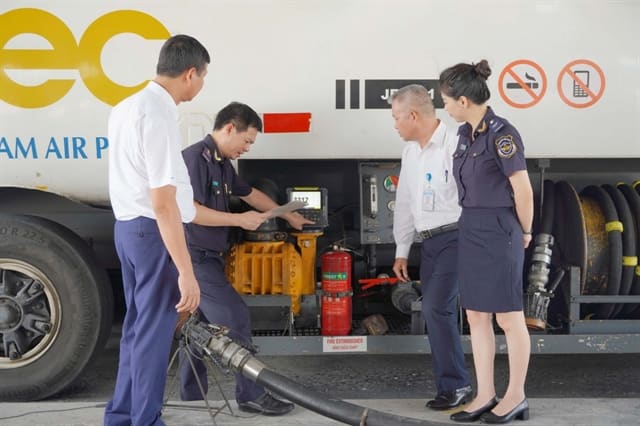
AI and Cloud Adoption Drive New Growth in Vietnam's Digital Economy
Cheng Wei-Lun · 3 min
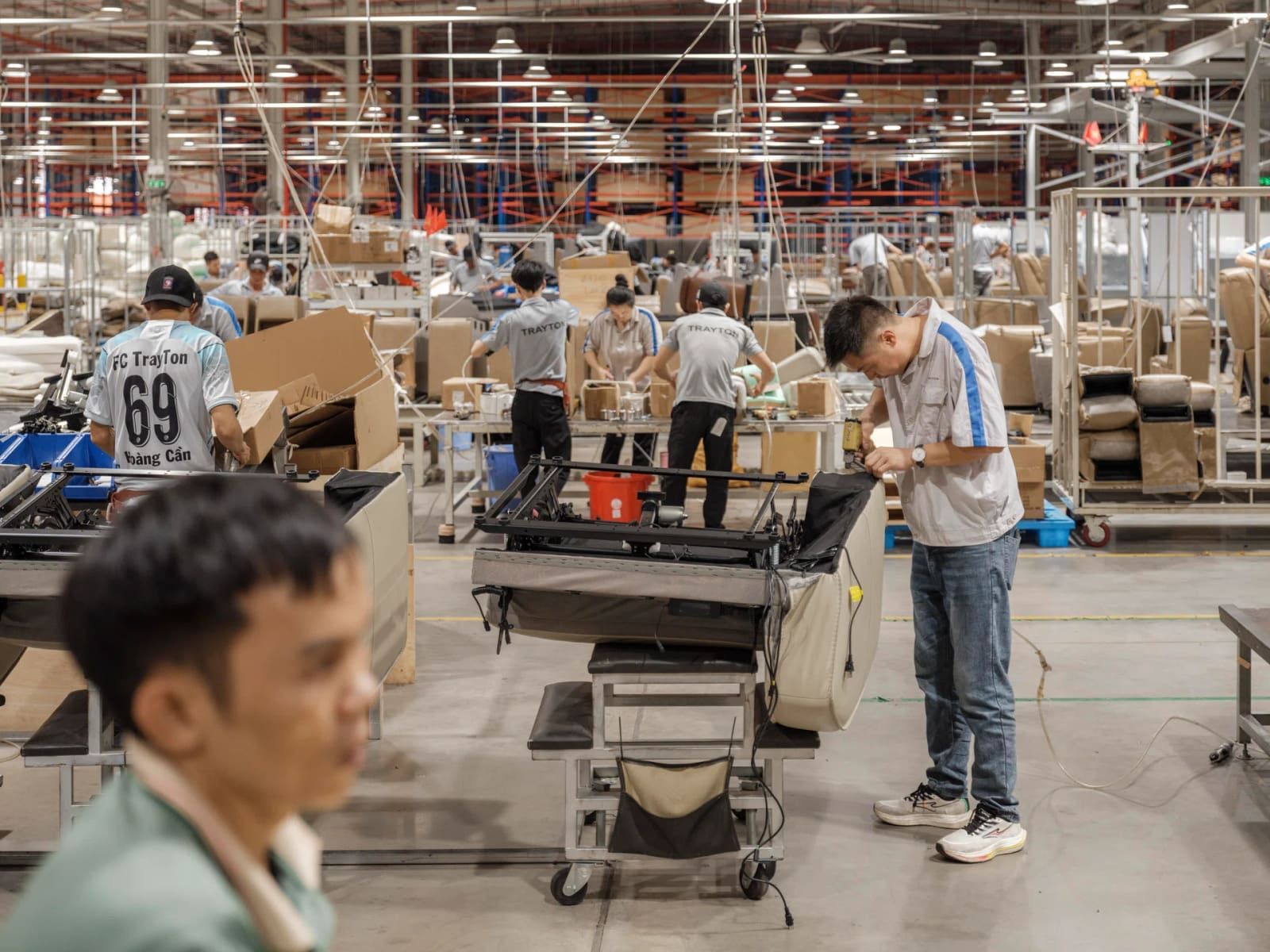
Vietnam's Manufacturing Surge Raises Questions About Industrial Independence
Cheng Wei-Lun · 4 min
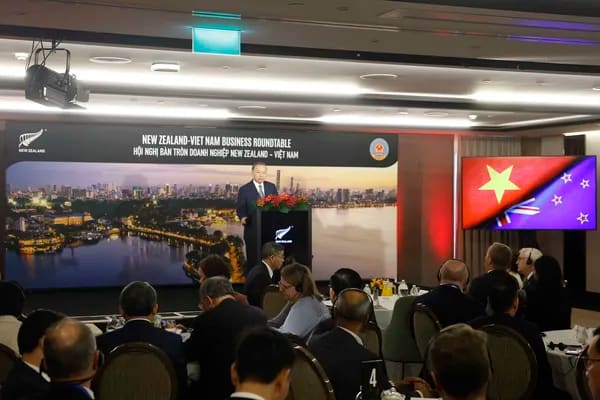
Vietnam Pitches Itself as Southeast Asia Innovation Hub to New Zealand Investors
Priyanka V. Rao · 4 min

Vietnam Pushes Rare Earth Processing to Strengthen Supply Chain Autonomy
Cheng Wei-Lun · 3 min
Spot something wrong? Email editor@briefasia.com. We log every correction publicly.