Technology · AI
Malaysia's Chip Exports Jump on AI Infrastructure Demand
Second-quarter shipments of electrical and electronics products climbed more than 57 percent as semiconductor orders extended into late 2027, central bank data show

KEY TAKEAWAYS
- ·Malaysia's electrical and electronics exports rose 57.1 percent year-on-year in the second quarter of 2026, up from 23 percent growth in the first quarter.
- ·Multinational manufacturers reported order backlogs extending three to eight months by mid-2026, compared to four to six months earlier in the year.
- ·Bank Negara Malaysia expects the technology demand cycle to remain strong through at least 2027, supporting the country's export-driven economy.
Semiconductor Orders Fuel Export Acceleration
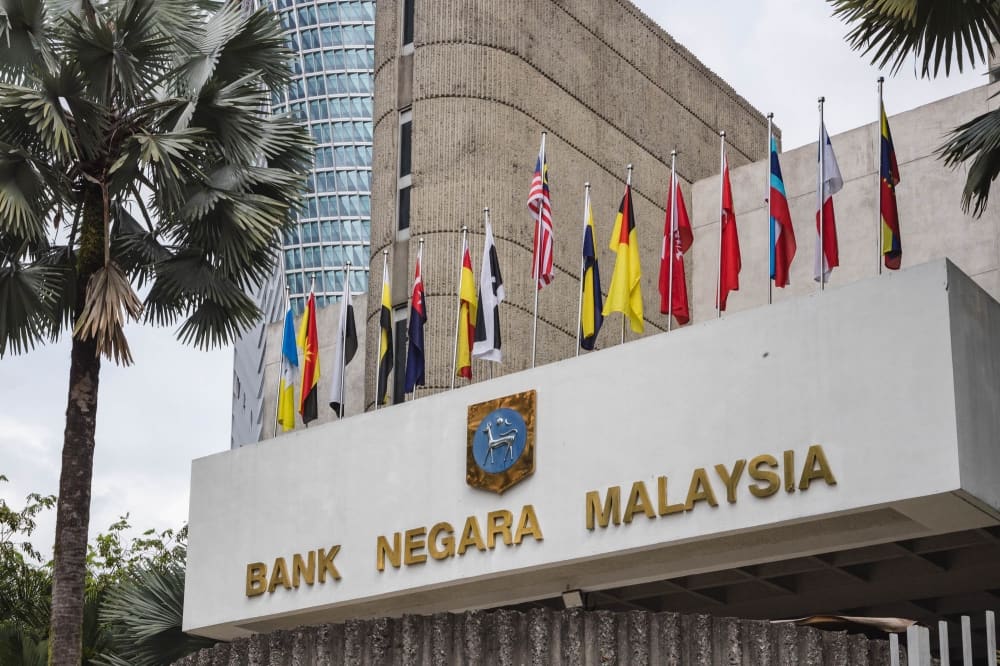
Malaysia recorded a sharp acceleration in electrical and electronics shipments during the second quarter of 2026, with export values climbing 57.1 percent compared to the same period a year earlier. The figure marks a substantial jump from the 23 percent growth registered in the first quarter, according to figures released by Bank Negara Malaysia.
The central bank attributed the surge to robust international demand for semiconductors and related equipment, a trend driven by the rapid expansion of artificial intelligence infrastructure worldwide. Malaysia occupies a strategic position in the global AI supply chain, housing advanced packaging facilities, semiconductor fabrication plants, and electronics manufacturing service providers that supply components to data center operators and cloud computing companies.
Abdul Rasheed Ghaffour, governor of Bank Negara Malaysia, told reporters at a briefing in Kuala Lumpur that the country's manufacturing base is well positioned to capture value from the ongoing AI technology cycle. The governor emphasized that current momentum in the technology sector is expected to persist through at least 2027, providing sustained support to Malaysia's export-driven economy.
Order Books Extend into 2027
Discussions between the central bank and multinational electronics companies operating in Malaysia reveal a notable strengthening of forward demand. Earlier in 2026, manufacturers reported order backlogs spanning four to six months. By mid-year, that visibility had extended to between three and eight months, according to Abdul Rasheed.
The lengthening order pipeline reflects confidence among buyers that AI-related infrastructure investment will continue at elevated levels. Semiconductor packaging facilities in Penang and Selangor have been operating near capacity, while advanced assembly plants in Johor have added shifts to meet delivery schedules for integrated circuits used in AI accelerators and high-performance computing modules.
Abdul Rasheed noted that global AI production remains in its early phase, suggesting that demand for Malaysia's specialized manufacturing capabilities could remain elevated for an extended period. The technology cycle underpinning current growth differs from previous electronics booms in its reliance on a narrower set of high-value components, including logic chips, memory packages, and substrate materials that require sophisticated production processes.
Regional Trade Flows Shift
The geographic distribution of Malaysia's electrical and electronics exports during the second quarter underscores the country's integration into multiple technology supply chains. Shipments to the United States increased sharply, driven by data center construction and enterprise AI adoption. Singapore, which serves as a regional logistics and distribution hub, absorbed a significant portion of Malaysian output for re-export to other markets.
China and Hong Kong remained important destinations, despite broader shifts in global technology trade patterns. Taiwan, home to leading semiconductor design houses and foundries, continued to source advanced packaging services from Malaysian facilities. The diversification of export markets provides a degree of resilience against localized demand shocks, though the sector remains sensitive to shifts in global capital expenditure on technology infrastructure.
The central bank's data indicate that semiconductors and equipment accounted for the bulk of the second-quarter gain. Within that category, analog chips, power management devices, and radio-frequency components saw particularly strong demand, alongside traditional logic and memory products. Advanced packaging services, which involve stacking multiple die in a single package to improve performance and reduce power consumption, have emerged as a high-growth segment for Malaysian contract manufacturers.
Implications for Regional Manufacturing
Malaysia's performance in the second quarter highlights the uneven distribution of gains from the AI investment cycle across Southeast Asia. While the country benefits from decades of investment in semiconductor infrastructure and a skilled technical workforce, neighboring economies with less developed electronics sectors have seen more modest export growth.
The concentration of advanced packaging capacity in Malaysia reflects historical investment decisions by multinational corporations and government policies that supported the development of specialized manufacturing clusters. Penang's electronics ecosystem, which dates to the 1970s, has evolved to support increasingly complex production processes, while newer industrial parks in the southern corridor have attracted investment in cutting-edge assembly and test facilities.
The central bank's outlook for sustained technology demand through 2027 rests on assumptions about continued AI model development, expanding deployment of machine learning applications in enterprise settings, and ongoing buildout of cloud computing infrastructure. Should any of these drivers weaken, Malaysia's export growth could moderate, given the sector's outsized contribution to overall trade performance.
For now, the extension of order books and the early stage of AI infrastructure deployment suggest that Malaysian manufacturers will continue to operate at high utilization rates. The challenge for policymakers will be ensuring that the current boom translates into sustained capability development, rather than a cyclical spike that leaves the sector vulnerable when technology investment eventually normalizes.
The 57.1 percent growth figure also reflects base effects from a weaker comparison period in 2025, when global electronics demand was still recovering from post-pandemic inventory corrections. Adjusting for those dynamics, the underlying expansion in Malaysian semiconductor exports remains robust, though less dramatic than the headline number suggests.
Regional competitors, including Vietnam and Thailand, have also seen growth in electronics exports, though at more modest rates. Malaysia's advantage lies in its concentration of high-value packaging and test operations, which command higher margins than commodity assembly work and are more difficult to relocate on short notice.
The central bank's assessment that the technology cycle will remain strong into 2027 aligns with forecasts from semiconductor industry associations, which project continued growth in capital expenditure for AI-related infrastructure. Whether that translates into sustained export gains for Malaysia will depend on the country's ability to maintain cost competitiveness, workforce skills, and infrastructure quality as global manufacturing patterns continue to evolve.
RELATED STORIES
Malaysia's Banking System Gains Momentum as Business Lending Climbs to 7.2 Percent
Priyanka V. Rao · 4 min

Malaysia's Ringgit Strengthens on 6% Second-Quarter GDP Beat
Priyanka V. Rao · 3 min
Key Asic Shares Surge 128% on Record Volume as Asia Tech Rally Returns
Cheng Wei-Lun · 3 min

Malaysian Ringgit Holds Steady as Markets Await GDP Release
Priyanka V. Rao · 2 min
Spot something wrong? Email editor@briefasia.com. We log every correction publicly.