Finance · Markets
Malaysia's Ringgit Strengthens on 6% Second-Quarter GDP Beat
The currency gained ground as economic growth surpassed forecasts, with domestic demand and electronics exports driving resilience amid global headwinds
KEY TAKEAWAYS
- ·Malaysia's second-quarter GDP grew 6.0%, exceeding the 5.8% consensus and accelerating from 5.4% in the first quarter, driven by household spending and investment in structures and equipment.
- ·Exports surged on continued strength in electrical and electronics products, a rebound in liquefied natural gas shipments, and expansion in services, supporting the ringgit's advance to 4.0840 per US dollar.
- ·The currency gained as the US Dollar Index fell 0.17% to 99.798 points following softer US inflation data, though the ringgit declined against the yen, pound, and euro in the same session.
Currency Gains on Economic Outperformance
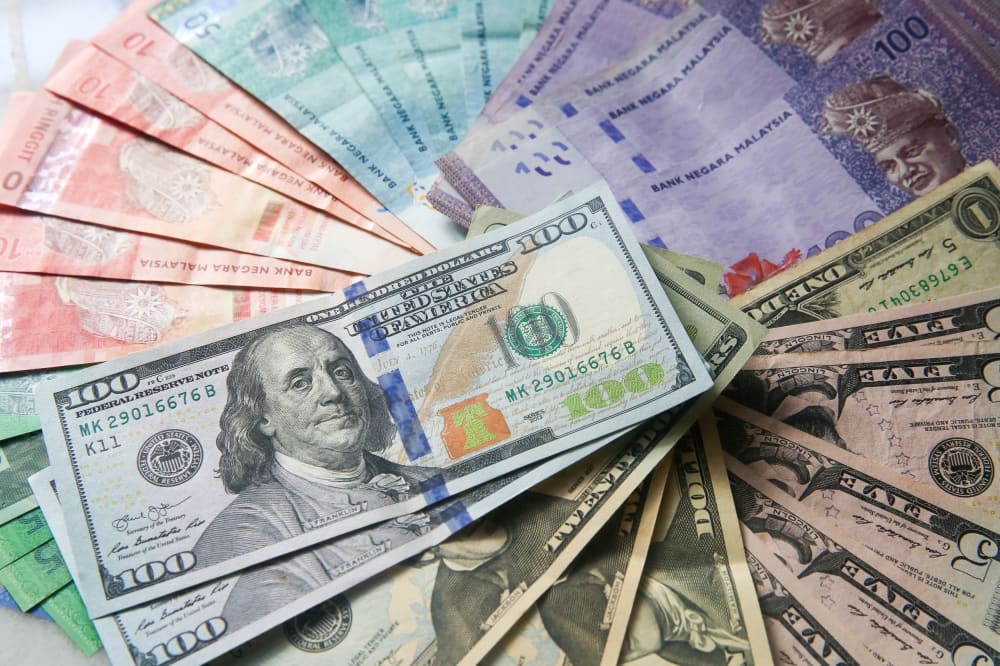
Malaysia's ringgit edged higher against the US dollar on Friday, closing at 4.0840 per dollar compared to the prior session's 4.0850, as the country's economic growth figures exceeded market forecasts. The Southeast Asian currency found support from second-quarter GDP data that came in at 6.0%, above the consensus estimate of 5.8%.
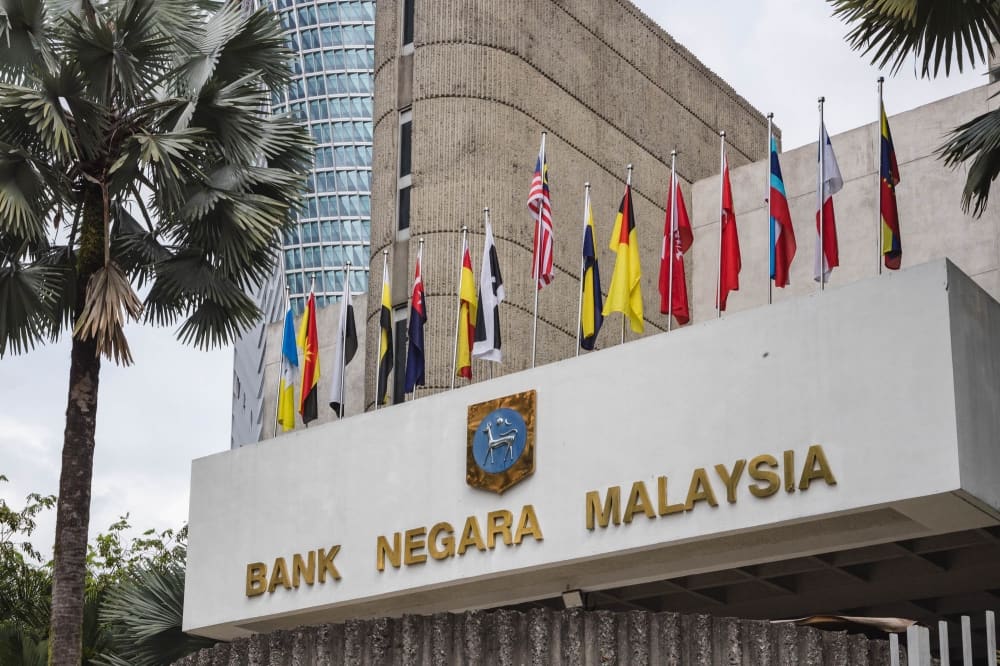
The performance marks an acceleration from the 5.4% expansion recorded in the first quarter of the year, according to Bank Negara Malaysia. The central bank attributed the growth to sustained domestic consumption and a sharp pickup in export activity, particularly in key manufacturing segments.
Household spending remained resilient throughout the quarter, buoyed by stable wage growth and continued government policy measures. Investment activity also contributed to the expansion, with businesses channeling capital into infrastructure projects, machinery, and equipment.
Export Surge Anchors Growth
The external sector delivered a strong performance, with export growth picking up speed during the three-month period. Electrical and electronics products, a cornerstone of Malaysia's manufacturing base, maintained their momentum, while services exports continued to expand.
A notable rebound in liquefied natural gas shipments added further lift, alongside renewed strength in non-electronics manufacturing goods. The diversified export profile helped cushion the economy against volatility in global demand patterns.
Bank Muamalat Malaysia chief economist Mohd Afzanizam Abdul Rashid noted that the figures demonstrate the economy's capacity to weather external pressures. The growth trajectory suggests that domestic fundamentals remain intact even as uncertainty persists in major trading partner economies.
Dollar Weakness Aids Asian Currencies
The ringgit's advance also benefited from softer US economic data. Recent consumer and producer price index readings in the United States came in below expectations, pushing the US Dollar Index down 0.17% to 99.798 points. The weaker greenback created room for emerging market currencies to gain ground.
Against a broader basket of major currencies, however, the ringgit gave up some of its gains. It slipped to 2.5660 per Japanese yen from 2.5634 in the previous session, and declined to 5.5232 against the British pound from 5.5119. The euro also strengthened, with the ringgit falling to 4.7182 per euro from 4.7120.
Performance against regional peers was mixed. The Malaysian currency edged higher versus the Philippine peso, moving to 6.64 from 6.66, and appreciated marginally against the Thai baht to 12.3153 from 12.3239. It weakened against the Indonesian rupiah, slipping to 229.0 from 228.4, and dipped versus the Singapore dollar to 3.1924 from 3.1912.
Policy Outlook and Regional Context
The GDP beat positions Malaysia favorably within Southeast Asia's growth landscape at a time when other regional economies face headwinds from slowing global trade and tighter financial conditions. The combination of strong domestic demand and export resilience gives policymakers room to maintain current settings without immediate pressure to adjust rates.
With inflation pressures in check and external balances stable, the central bank's focus is likely to remain on sustaining growth momentum while monitoring global developments. The ringgit's performance in coming months will hinge on whether export strength persists and whether domestic consumption continues to hold up as fiscal support measures evolve.
Friday's currency move, while modest, reflects market confidence in Malaysia's near-term economic trajectory. The question for investors is whether the 6.0% growth rate can be maintained in the second half of the year as external conditions remain fluid and commodity price swings introduce fresh variables into the export equation.
RELATED STORIES
Malaysian Ringgit Holds Steady as Markets Await GDP Release
Priyanka V. Rao · 2 min
Malaysia's Banking System Gains Momentum as Business Lending Climbs to 7.2 Percent
Priyanka V. Rao · 4 min
Ringgit Strengthens as Malaysia Awaits Q2 GDP Print
Priyanka V. Rao · 3 min
Malaysia's Ringgit Holds Steady as Traders Await GDP Data
Priyanka V. Rao · 3 min
Spot something wrong? Email editor@briefasia.com. We log every correction publicly.