Finance · Markets
Malaysia's Ringgit Holds Steady as Traders Await GDP Data
Currency markets pause ahead of second-quarter growth figures, while softer US inflation tempers Federal Reserve rate hike expectations
KEY TAKEAWAYS
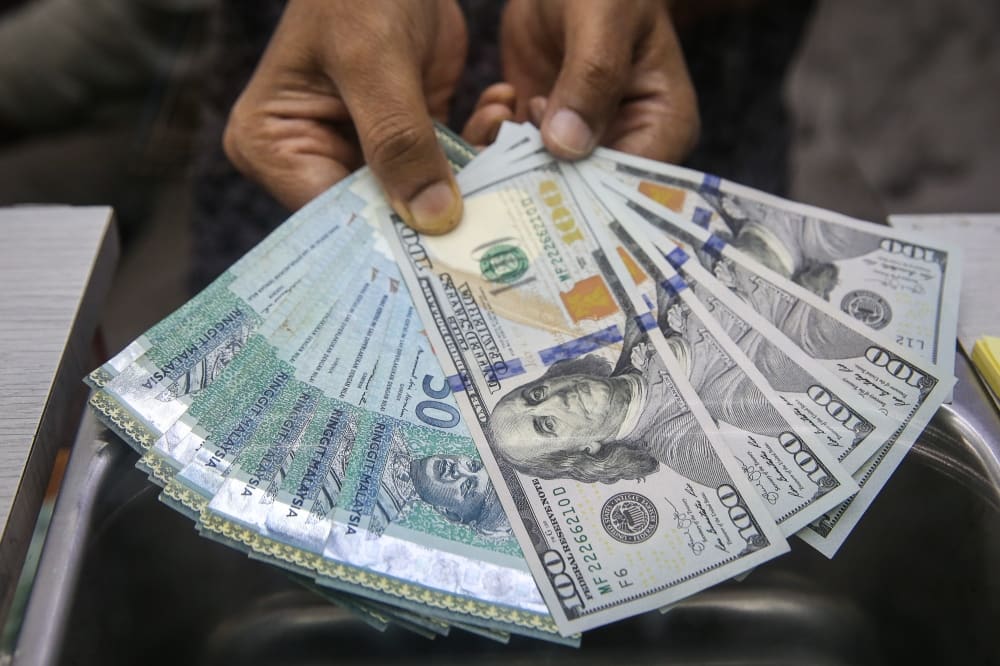
- ·Malaysia's ringgit closed at 4.0850 per US dollar, nearly unchanged, as traders awaited second-quarter GDP data expected to show 5.8 per cent year-on-year growth.
- ·US inflation moderated to 3.4 per cent, reducing certainty around a Federal Reserve rate hike in September and narrowing yield differentials that favor the dollar.
- ·Malaysia's Industrial Production Index rose 6.5 per cent year-on-year in June, while services activity gained 5.9 per cent, signaling broad economic momentum heading into Q2 results.
Currency Pause Before Key Release
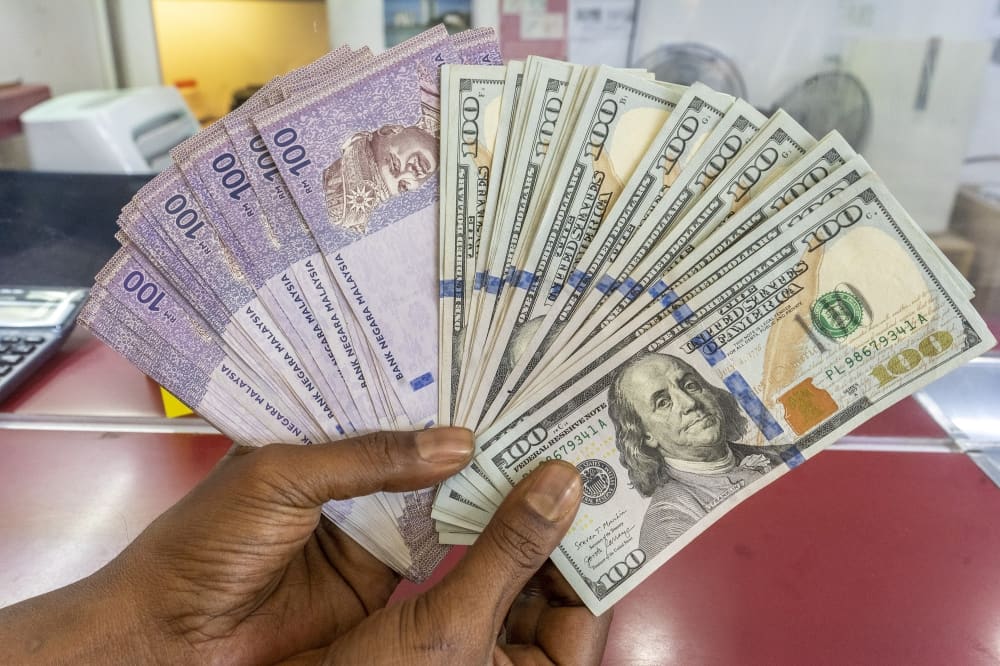
The Malaysian ringgit finished trading almost unchanged against the US dollar on Wednesday, settling at 4.0850 per dollar compared to the previous close of 4.0835. The muted movement reflected investor caution ahead of Malaysia's second-quarter GDP announcement, scheduled for release by Bank Negara Malaysia and the Department of Statistics Malaysia.
Market participants are positioning for what economists expect to be solid growth figures. Advance estimates point to a 5.8 per cent year-on-year expansion for the second quarter of 2026, up from 5.4 per cent in the first quarter, according to Bank Muamalat Malaysia Bhd chief economist Dr Mohd Afzanizam Abdul Rashid.
"The market is taking a wait-and-see approach ahead of tomorrow's announcements on the country's economic performance," Mohd Afzanizam said. "It is highly likely that the numbers will be met, or perhaps surpass expectations."
Industrial and Services Momentum
Recent economic indicators support the optimistic GDP outlook. Malaysia's Industrial Production Index climbed 6.5 per cent year-on-year in June 2026, maintaining positive momentum across all manufacturing sectors. The services sector, which accounts for a significant portion of Malaysia's economy, posted a 5.9 per cent year-on-year increase in its volume index during the second quarter.
The services growth was driven primarily by wholesale and retail trade, food and beverage operations, and accommodation activities. These metrics suggest broad-based economic strength heading into the middle of the year.
US Inflation Shifts Rate Calculus
On the other side of the currency equation, the US dollar found modest support after inflation data came in line with market expectations. The US Consumer Price Index moderated to 3.4 per cent, a slight cooling that has shifted trader sentiment around the Federal Reserve's next policy move.
The inflation print has reduced certainty around a September rate hike at the Federal Open Market Committee meeting. "The slight moderation in the US inflation rate suggested that a rate hike decision at the September meeting is not a done deal," Mohd Afzanizam noted. "It is about the interest rate differential between the US rate and the overnight policy rate and which one is more attractive to investors."
That calculus matters for emerging market currencies like the ringgit. A pause or slower pace of Fed tightening would narrow the yield advantage of dollar-denominated assets, potentially supporting regional currencies.
Regional Currency Movements
The ringgit showed mixed performance against other major and regional currencies. It strengthened against the Japanese yen, moving to 2.5634 from 2.5655, and gained ground against the British pound, reaching 5.5119 from 5.5180. However, it slipped marginally against the euro, closing at 4.7120 compared to 4.7107 previously.
Among regional peers, the ringgit edged higher against the Philippine peso and Thai baht, held flat against the Indonesian rupiah at 228.4, and weakened slightly against the Singapore dollar to 3.1912 from 3.1905.
What Traders Are Watching
The immediate focus remains on Thursday's GDP release. A print that meets or exceeds the 5.8 per cent estimate would reinforce Malaysia's recovery narrative and could provide support for the ringgit, particularly if it contrasts with slower growth elsewhere in the region.
Beyond the domestic data, currency traders will continue monitoring US economic signals for clues about Federal Reserve policy direction. The September FOMC meeting looms as a pivotal event, with any shift in rate expectations likely to ripple through Asian currency markets.
For now, the ringgit is trading in a holding pattern, awaiting confirmation that Malaysia's economic expansion is gaining traction in the second half of 2026.
RELATED STORIES
Malaysia's Currency Holds Ground as Dollar Index Climbs on Hormuz Tensions
Priyanka V. Rao · 4 min
Malaysian Ringgit Holds Steady as Markets Await GDP Release
Priyanka V. Rao · 2 min
Malaysia's Ringgit Slides Against Dollar as Markets Brace for US Inflation Data
Priyanka V. Rao · 5 min
Malaysian Ringgit Dips Against Dollar as Markets Brace for US Inflation Print
Priyanka V. Rao · 2 min
Spot something wrong? Email editor@briefasia.com. We log every correction publicly.