Finance · Markets
US Treasury Signals Possible Yen Intervention After Tokyo Action
Washington alerts major banks to stand ready as Japanese currency rebounds from four-decade lows
KEY TAKEAWAYS
- ·The US Treasury notified banks through the New York Fed it may intervene in yen markets and told them to stand ready for future action following Japan's Thursday intervention.
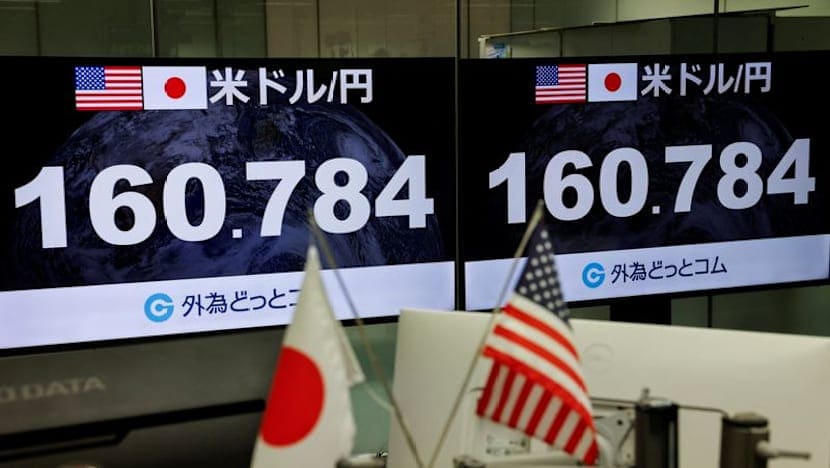
- ·The yen is on track for its biggest weekly gain since February after Tokyo acted to halt the currency's slide to four-decade lows against the dollar.
- ·Coordinated US-Japan currency intervention would be rare and could influence broader Asian forex markets amid persistent interest-rate differentials between the Fed and Bank of Japan.
Washington Coordinates With Tokyo
The US Treasury has notified several banks that it may intervene in yen markets on Friday and instructed them to stand ready for further action, according to a source familiar with the matter. The Federal Reserve Bank of New York delivered the communication to financial institutions as Japanese authorities continue efforts to stabilize their currency.
The notice follows direct intervention by Japanese authorities Thursday to support the yen, which had slumped to its weakest level against the dollar in forty years. Tokyo's action set the currency on track for its largest weekly gain since February, pulling it back from historic lows that had tested the resolve of policymakers in both capitals.
Rare Cross-Pacific Coordination
Currency intervention by the US Treasury remains unusual. Washington has historically refrained from direct forex operations except in cases of extreme market dysfunction or when coordinating with allies facing acute currency crises. The last major joint intervention involving the yen occurred in 2011, when the Group of Seven nations acted collectively after Japan's earthquake and tsunami triggered sharp volatility.
The current alert to banks suggests the Treasury is preparing operational capacity for potential action rather than committing to immediate market entry. The phrase "stand ready for future action" indicates contingency planning, leaving the timing and scale of any US involvement uncertain.
Japan's Persistent Currency Challenge
Japan has struggled for months with yen weakness driven by the wide interest-rate differential between the Federal Reserve and the Bank of Japan. While the BOJ has maintained ultra-loose monetary policy to support economic growth, the Fed's elevated rates have made dollar-denominated assets more attractive, draining capital from yen positions.
The weakening yen has inflated import costs for Japanese households and businesses, particularly for energy and food. Tokyo has repeatedly warned that excessive volatility and disorderly moves in the currency market are unacceptable, yet verbal warnings alone have failed to stem the slide.
Japanese officials have not disclosed the scale or method of Thursday's intervention, but forex traders reported sharp moves consistent with direct purchases of yen using dollar reserves. The Ministry of Finance typically declines to confirm intervention operations in real time, citing market sensitivity.
Implications for Asian Forex Markets
Any coordinated US-Japan intervention would carry weight across Asian currency markets. Regional central banks closely monitor yen movements, as sharp swings can trigger knock-on effects in other currencies tied to export-dependent economies. A stabilized yen may ease pressure on the Korean won, Thai baht, and Taiwan dollar, all of which have faced headwinds from dollar strength this year.
However, intervention alone rarely reverses underlying trends without accompanying shifts in monetary policy or broader macroeconomic conditions. If the Fed maintains its restrictive stance and the BOJ continues accommodative policy, the interest-rate gap will persist, sustaining structural pressure on the yen.
The Treasury's readiness to act also signals Washington's concern about financial stability risks stemming from volatile currency swings. Disorderly forex markets can disrupt trade flows, corporate hedging strategies, and cross-border capital allocation, creating systemic risks that extend beyond any single economy.
Market participants will now watch closely for any official statement from the Treasury or the Fed clarifying the conditions under which Washington would proceed with intervention. The coordination between Tokyo and Washington marks a notable shift in the currency policy landscape, one that could shape forex dynamics across the Pacific for months to come.
RELATED STORIES
Yen Climbs to Eight-Month High as Rate Hike Expectations Shift Sentiment
Jun-ho Seo · 3 min

Japan Wage Growth Hits 29-Year High, Reinforcing Central Bank Rate Path
Aiko Nakamura · 3 min

ABN Amro Clearing to Break Into Japan's Power Futures Market
Tran Quoc Bao · 3 min
Bank of Japan Signals Possible Rate Increase This Month
Aiko Nakamura · 3 min
Spot something wrong? Email editor@briefasia.com. We log every correction publicly.