Finance · Markets
US Treasury Signals More Yen Intervention May Follow Tokyo's Market Action
Washington tells currency traders to prepare for potential additional operations as yen climbs to highest level in two and a half months
KEY TAKEAWAYS
- ·The US Treasury instructed market participants to prepare for potential additional yen intervention following Japan's Thursday operation that may have totaled up to $44 billion.
- ·The yen surged to the 157 range against the dollar, its strongest level since mid-May, following the intervention and US messaging.
- ·The coordinated signal marks a shift in US posture, introducing new risk for currency traders who had previously faded Japan's solo intervention attempts.
Washington Backs Tokyo's Currency Move
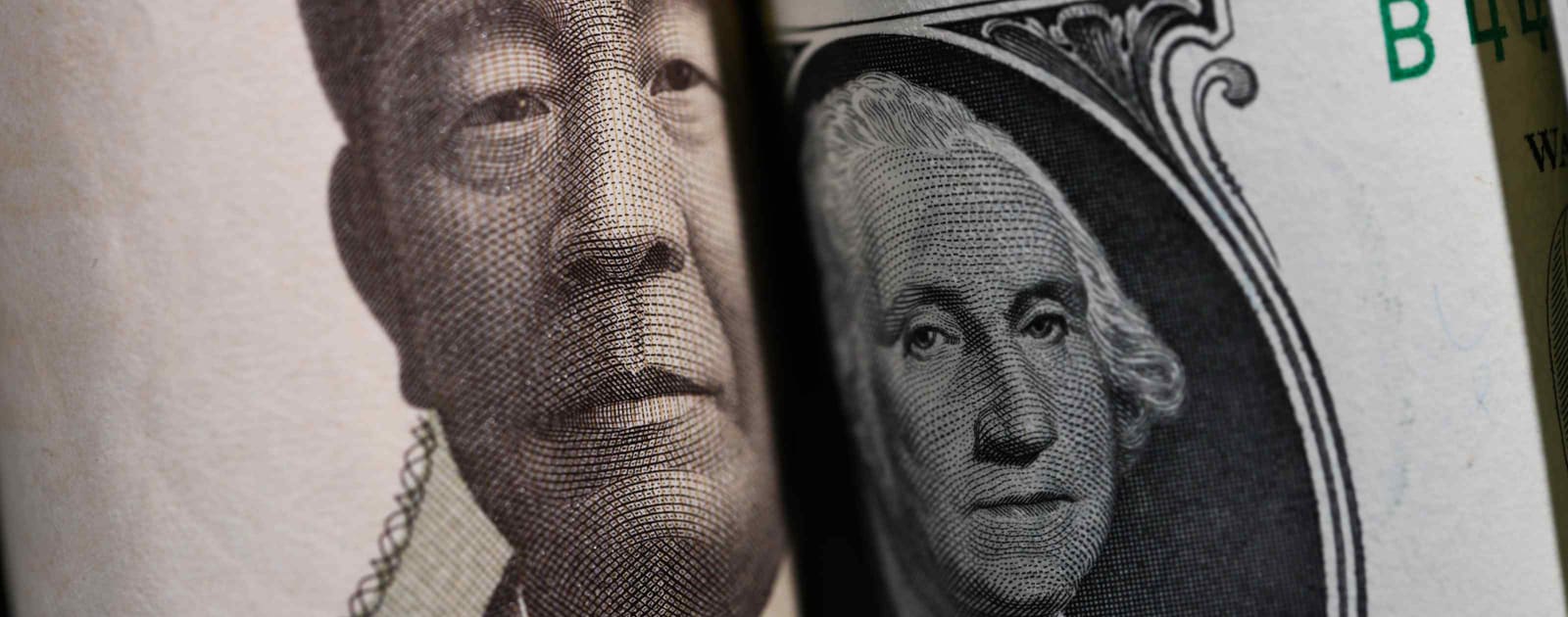
The US Treasury Department has instructed currency market participants to prepare for potential additional intervention operations following Japan's move Thursday to support the yen, according to sources familiar with the matter. The coordinated messaging pushed the Japanese currency to its strongest level since mid-May, marking a rare instance of explicit US backing for allied currency intervention.
Japan executed a yen-buying, dollar-selling operation Thursday in what traders estimate may have totaled up to $44 billion. The scale and timing of the intervention, combined with the Treasury's subsequent communications to banks and trading desks, suggests a level of coordination between Washington and Tokyo that has been absent from recent currency market operations.
The yen surged into the 157 range against the dollar following the intervention and the Treasury's messaging. That represents a significant strengthening from levels above 160 that had prompted concern among Japanese policymakers about the currency's rapid depreciation and its impact on import costs and inflation.
A Shift in US Currency Policy Stance
The Treasury's instruction to market participants represents a notable shift in US posture. American officials have traditionally maintained a hands-off approach to currency markets, emphasizing that intervention should be rare and only in response to disorderly market conditions. The explicit communication to prepare for further action signals that Washington views current yen weakness as potentially destabilizing.
This marks a departure from the more ambiguous stance US officials took during previous yen intervention episodes in recent years. Then, Treasury responses were measured and non-committal, neither endorsing nor opposing Tokyo's actions. The current directive to banks suggests the Biden administration sees strategic value in a stronger yen, whether for economic stability in Asia or to support a key security ally.
The coordination also comes as Japan faces upside inflation risks, according to recent comments from Bank of Japan Governor Kazuo Ueda. Ueda has flagged the possibility of faster interest rate increases if price pressures accelerate, adding another layer of complexity to the currency picture. A weaker yen feeds import inflation, particularly for energy and food, complicating the BOJ's efforts to normalize monetary policy without destabilizing growth.
Market Implications and Asia's Currency Landscape
The intervention and US backing arrive at a delicate moment for Asian currencies. Regional central banks have watched the yen's trajectory closely, knowing that a disorderly decline could trigger capital flows out of other Asian markets and force defensive rate hikes that economies may not be ready for.
Currency traders in Hong Kong and Singapore report that the Treasury's message has changed the risk calculus for shorting the yen. Previous interventions by Japan often saw speculators fade the moves, betting that Tokyo lacked the firepower or US support to sustain a stronger yen. The explicit preparation signal from Washington introduces a new variable: the possibility of coordinated, repeated operations that could inflict significant losses on yen bears.
The timing also intersects with broader US economic policy. With a presidential election on the horizon and inflation still a voter concern, a stronger yen could help ease some import price pressures in the US by making Japanese goods relatively more expensive and reducing deflationary pressure from Asian exports. It also aligns with efforts to maintain stable financial conditions as the Federal Reserve navigates its own rate policy.
What Comes Next
Market participants are now watching for signs of whether the Treasury's message translates into actual joint intervention or remains a rhetorical tool to deter speculative yen selling. Japan's Ministry of Finance has not commented on the scale of Thursday's operation, maintaining its standard policy of neither confirming nor denying intervention in real time.
The question for traders is whether this represents a one-time coordinated message or the beginning of a sustained policy to defend a yen floor. If Washington and Tokyo follow through with additional operations, it would mark the most significant US involvement in currency intervention since the coordinated G7 action following Japan's 2011 earthquake and tsunami.
For now, the yen's move back toward 157 per dollar has provided some relief to Japanese importers and households facing elevated costs. Whether that relief proves durable depends on how committed both governments are to backing words with action, and whether market forces ultimately respect the new line being drawn.
RELATED STORIES
Yen Climbs to Eight-Month High as Rate Hike Expectations Shift Sentiment
Jun-ho Seo · 3 min

Japan Wage Growth Hits 29-Year High, Reinforcing Central Bank Rate Path
Aiko Nakamura · 3 min

ABN Amro Clearing to Break Into Japan's Power Futures Market
Tran Quoc Bao · 3 min
Bank of Japan Signals Possible Rate Increase This Month
Aiko Nakamura · 3 min
Spot something wrong? Email editor@briefasia.com. We log every correction publicly.