Finance · Markets
US Treasury Joins Japan in First Coordinated Yen Intervention Since 2011
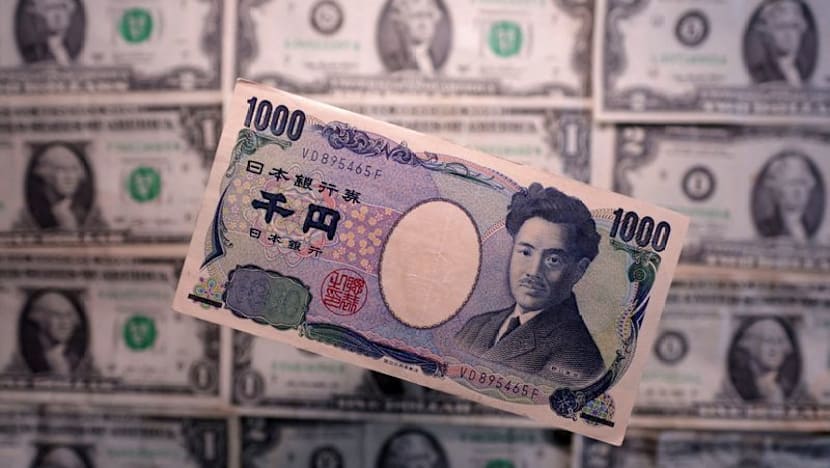
Washington steps into currency markets alongside Tokyo as the yen trades near four-decade lows, deploying major Wall Street banks to execute purchases
KEY TAKEAWAYS
- ·The US Treasury executed its first direct yen support operation since 2011, coordinating with Japan through Goldman Sachs and Morgan Stanley as the currency traded near 40-year lows.
- ·Treasury Secretary Scott Bessent's notepad showed plans to purchase $5 billion to $10 billion in yen, while Japan deployed an estimated $58.97 billion Thursday in separate intervention efforts.
- ·The dollar fell roughly 0.8 percent against the yen Friday afternoon following reports of US involvement, with regional central banks monitoring spillover risks to other Asian currencies.
Cross-Pacific Coordination Returns
The US Treasury entered currency markets Friday to support the yen, marking Washington's first direct intervention alongside Tokyo in more than a decade. The Federal Reserve Bank of New York sold euros to purchase yen on behalf of the Treasury, executing trades through Goldman Sachs and Morgan Stanley.
The move represents the Treasury's first direct yen support since 2011, when G7 nations coordinated to stabilize markets following Japan's earthquake and tsunami. The yen has been trading near 40-year lows this week, prompting concern among policymakers in both capitals about potential spillover effects across Asian financial markets.
Notepad Reveals Scale
A photograph of Treasury Secretary Scott Bessent's notepad during a cabinet meeting at Camp David showed handwritten notes contemplating purchases of $5 billion to $10 billion in Japanese yen. The image, taken during an on-the-record portion of the meeting, displayed the underscored words "To Do" followed by "Buy Japanese Yen (JPY) $5-10 bil."
Earlier Friday, the Treasury informed multiple banks that it might intervene in the yen market and instructed them to "stand ready for future action." The coordination signals a shift in Washington's approach to currency stability in Asia, where the yen's weakness has raised questions about competitive devaluation risks among export-driven economies.
Market Response
The dollar dropped from approximately 158.9 yen at around 4:14 p.m. EDT to about 157.6 yen just before 5 p.m. EDT, a decline of roughly 0.8 percent. The movement occurred during late afternoon trading Friday, following reports of potential US involvement.
Japan deployed an estimated $58.97 billion Thursday to purchase yen, according to central bank data released Friday. The figure suggests repeated intervention attempts as Tokyo seeks to arrest the currency's slide. The scale of Japan's solo action underscores the pressure on the yen despite rising domestic interest rates and narrowing yield differentials with US Treasuries.
Regional Implications
The joint intervention carries weight beyond bilateral currency management. A persistently weak yen alters competitive dynamics across Asian manufacturing and export sectors, particularly in South Korea, Taiwan, and Southeast Asian economies that compete with Japanese producers in electronics, automotive, and industrial machinery.
Central banks across the region have been monitoring yen movements closely. A disorderly decline could trigger capital flows out of emerging Asian currencies, forcing other monetary authorities to either raise rates or deplete reserves to defend their own exchange rates. Singapore, which manages the Singapore dollar against a trade-weighted basket, has already adjusted its policy stance twice this year in response to regional currency volatility.
Precedent and Policy
The 2011 intervention followed the March earthquake and tsunami, when the yen surged as Japanese insurers and companies repatriated overseas assets to fund reconstruction. That episode saw coordinated action from the US, European Central Bank, Bank of England, and Bank of Canada alongside Japan.
This intervention occurs in a different context. The yen's current weakness stems from persistent inflation differentials and diverging monetary policy paths, rather than disaster-driven capital flows. Washington's decision to act suggests concern that market dynamics alone will not stabilize the currency at levels consistent with orderly economic adjustment.
The Treasury and Federal Reserve Bank of New York have not disclosed the volume of yen purchased Friday. Goldman Sachs declined to comment, while Morgan Stanley and the New York Fed did not respond to requests outside regular business hours.
What Comes Next
Market participants will watch whether Friday's action marks a one-time signal or the start of sustained joint operations. The Treasury's advance notice to banks suggests preparations for additional moves if the yen resumes its decline.
Japan's Ministry of Finance has historically preferred to act alone in currency markets, viewing intervention as a sovereign policy tool. The inclusion of the US Treasury indicates a shared assessment that unilateral action may prove insufficient given the scale of yen selling pressure and the depth of dollar-yen trading volumes.
Asian finance ministers are scheduled to meet in Jakarta next month. Currency stability is expected to feature prominently on the agenda, with particular attention to frameworks for coordinated responses to disorderly market conditions.
RELATED STORIES

Bank of Japan Eyes Rate Increase as Inflation Risks Mount
Cheng Wei-Lun · 4 min

Japan Wage Growth Hits 29-Year High, Reinforcing Central Bank Rate Path
Aiko Nakamura · 3 min

SoftBank Prices ¥1 Trillion Retail Bond in Largest Offering Since 2020
Aiko Nakamura · 3 min
Bank of Japan Signals Possible Rate Increase This Month
Aiko Nakamura · 3 min
Spot something wrong? Email editor@briefasia.com. We log every correction publicly.