Finance · Deals
Unitree Robotics IPO Draws 9.8 Million Retail Accounts for 9.7 Million Shares
Hangzhou robot maker's public offering produces allocation rate of 0.018%, reflecting surge in Chinese tech investor appetite despite tight supply
KEY TAKEAWAYS
- ·Unitree Robotics received subscription applications from 9.8 million retail accounts for 9.7 million shares, producing an allocation rate of 0.018 percent.
- ·The Hangzhou robotics maker's oversubscription reflects surging Chinese investor appetite for automation and AI-linked equities amid supportive industrial policy.
- ·Early venture backers are positioned for substantial paper gains, while retail investors face 5,500-to-one odds and potential post-listing volatility.
Oversubscription Reaches Historic Levels
Unitree Robotics closed its online subscription window Monday with nearly 9.8 million retail brokerage accounts vying for allocation in what has become one of China's most oversubscribed technology listings this year. The Hangzhou-based robotics manufacturer offered 9.7 million shares through its public tranche, producing a final allocation rate of 0.018 percent, company filings revealed.
The mathematics are stark: approximately one successful applicant for every 5,500 who entered the lottery. For context, that ratio places Unitree's retail distribution among the tightest seen on mainland exchanges in recent quarters, a reflection both of constrained float and surging appetite for exposure to China's robotics buildout.
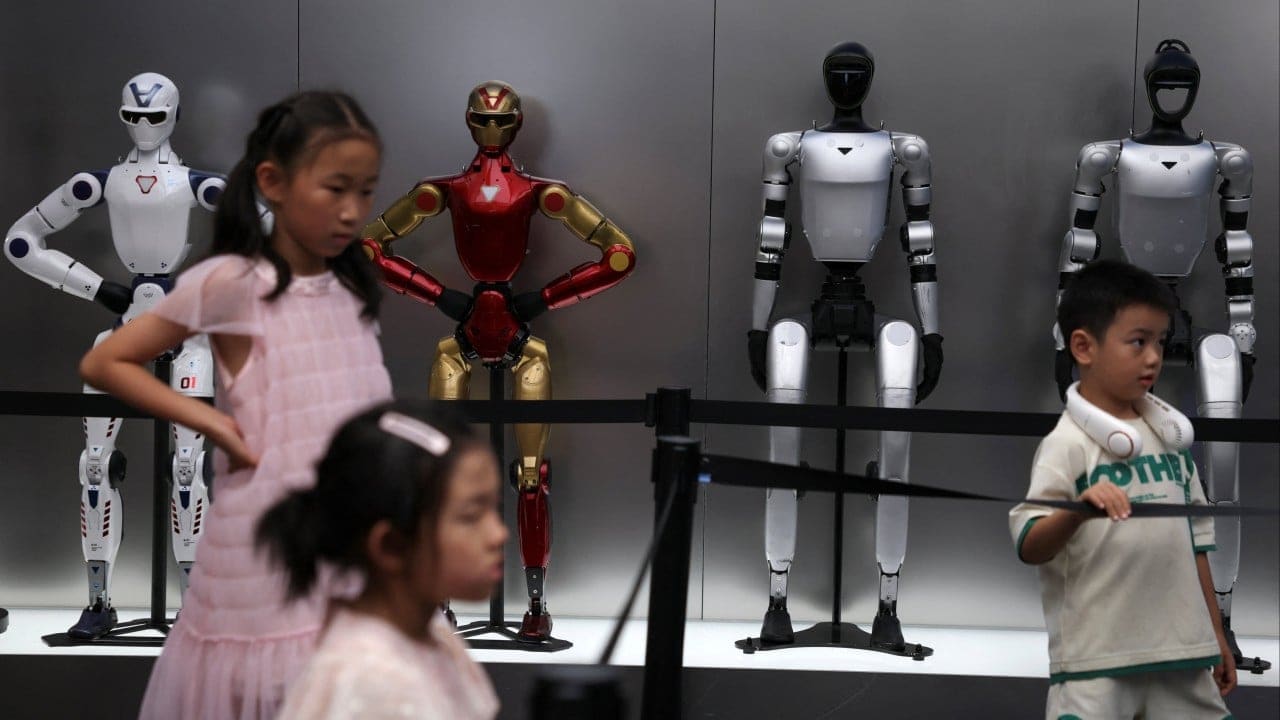
Unitree, which manufactures quadruped robots and humanoid platforms used in logistics, inspection, and research applications, priced its offering earlier this month. The company has not disclosed the absolute size of the raise or the pricing band, but filings confirm the retail portion represented a small fraction of total supply, with the bulk reserved for institutional allocations and cornerstone placements.
Early Investors Positioned for Gains
Venture investors who backed Unitree in earlier funding rounds stand to record significant paper returns when shares begin trading. The company raised capital from domestic technology-focused funds over the past three years, though it has not publicly named all participants or disclosed pre-IPO valuations.
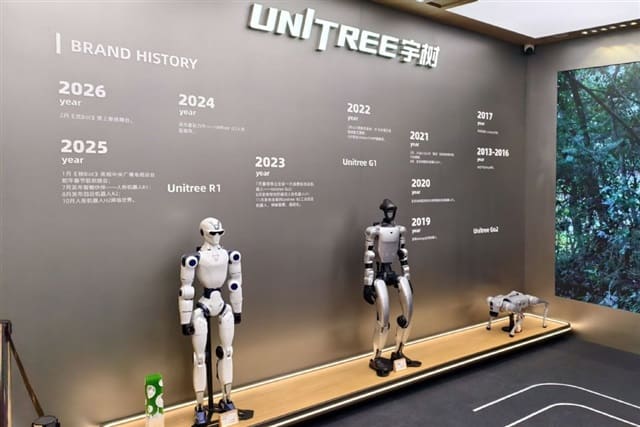
The IPO follows a period of rapid commercialization for Unitree. The firm began shipping its Go series quadrupeds in 2022 and introduced a lower-cost humanoid model in early 2025, targeting industrial clients and research institutions across Asia. Revenue growth has tracked the broader uptick in automation spending among Chinese manufacturers seeking to offset labor costs and improve operational efficiency.
Market observers note that Unitree's public debut arrives as Beijing continues to prioritize robotics and artificial intelligence within its industrial policy framework. State directives issued last year call for expanded domestic production of servo motors, vision systems, and control software, all components central to Unitree's supply chain. The policy backdrop has amplified investor interest in companies positioned to benefit from subsidies, procurement preferences, and research collaboration with state labs.
Retail Frenzy Reflects Broader Trend
The scramble for Unitree shares mirrors patterns seen in other high-profile technology listings on Shanghai's STAR Market and Shenzhen's ChiNext board. Retail participation in new issues has climbed steadily since mid-2025, driven by a combination of limited alternative investment vehicles, regulatory caps on mutual fund fees, and a perception that IPO allocations offer short-term trading opportunities.
Chinese securities rules require issuers to reserve a portion of shares for online retail subscription, with the exact percentage determined by total deal size. In practice, retail tranches are often small relative to institutional buckets, creating structural imbalances when demand surges. Unitree's 0.018 percent allocation rate suggests the company adhered to minimum retail set-asides while directing the majority of stock toward qualified institutional buyers and strategic partners.
Analysts caution that low allocation rates can produce volatile trading in the days following debut. Retail investors who secure shares frequently flip positions quickly to lock in gains, while those shut out of the IPO pile into the secondary market, pushing valuations higher. Unitree's share price trajectory in its first week will offer insight into whether the hype translates into sustained institutional support or merely reflects speculative fervor.
What Comes Next
Unitree has not announced a specific listing date, but filings indicate trading will commence within two weeks of subscription close. The company plans to use IPO proceeds to expand manufacturing capacity, fund research into AI-enabled motion planning, and build out its sales network in Southeast Asia and the Middle East.
For China's robotics sector, Unitree's reception will serve as a bellwether. Several domestic peers, including makers of collaborative arms and autonomous mobile robots, are preparing their own public offerings. A strong Unitree debut could accelerate those timelines and embolden other venture-backed hardware startups to pursue listings before the current window narrows.
The 5,500-to-one odds faced by retail investors underscore a recurring tension in China's capital markets: policy goals to broaden household participation in equity ownership collide with issuer and underwriter preferences to place stock with large institutions capable of providing price stability. As robotics and AI companies continue to tap public markets, that tension is unlikely to ease.
RELATED STORIES

Unitree Robotics IPO Oversubscribed 2,700 Times as Investors Bet on China's Robot Push
Cheng Wei-Lun · 3 min
Moore Threads Targets Hong Kong IPO as Revenue Climbs 147%
Cheng Wei-Lun · 3 min
Unitree Targets $622 Million IPO as Meituan and Tencent Circle China's Humanoid Robot Play
Cheng Wei-Lun · 4 min
SK Hynix Eyes Investor for Chongqing Chip Plant as Korean Investment Accelerates
Cheng Wei-Lun · 2 min
Spot something wrong? Email editor@briefasia.com. We log every correction publicly.