Finance · Deals
SK Hynix Eyes Investor for Chongqing Chip Plant as Korean Investment Accelerates
South Korean memory maker explores options for Chinese packaging facility valued at roughly US$3 billion as it shifts capital back home
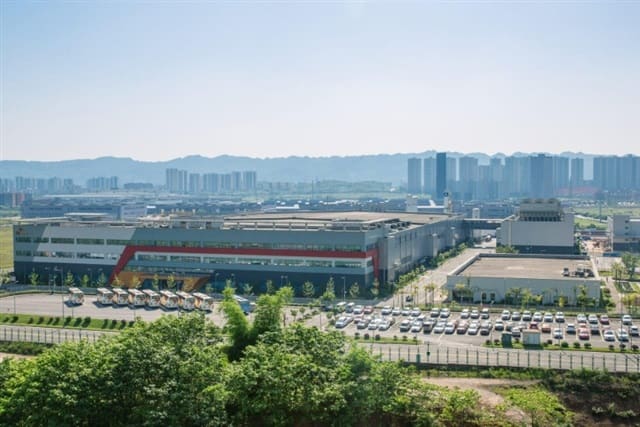
KEY TAKEAWAYS
- ·SK Hynix is considering bringing in an outside investor or selling a stake in its Chongqing packaging and testing facility, valued at roughly US$3 billion.
- ·The move aligns with SK Hynix's accelerated investment in South Korea, particularly in advanced memory and high-bandwidth memory production for AI applications.
- ·A transaction would reflect broader industry realignment as chipmakers reassess China exposure while seeking capital for domestic advanced packaging expansion.
Exploring Strategic Alternatives
SK Hynix is exploring strategic options for its semiconductor packaging and testing facility in Chongqing, China, according to the company. The South Korean memory chipmaker is considering bringing in an outside investor or selling a stake in the operation, which could be valued at approximately US$3 billion.
The move comes as SK Hynix accelerates investment in domestic facilities in South Korea, redirecting capital toward advanced memory production and packaging capabilities closer to home. The Chongqing plant handles back-end assembly and testing operations, a segment of the semiconductor supply chain that has traditionally been located in lower-cost manufacturing hubs across Asia.
Capital Reallocation Amid Industry Shifts
SK Hynix's consideration of a stake sale or partnership reflects broader strategic realignment within the memory industry. South Korean chipmakers have faced mounting pressure to expand advanced packaging capacity domestically, driven by both government incentives and supply chain resilience priorities following recent disruptions.
The Chongqing facility represents a significant asset in SK Hynix's manufacturing footprint. Packaging and testing operations, while less capital-intensive than wafer fabrication, remain essential to delivering finished memory products to customers. A US$3 billion valuation would place the Chongqing site among the larger back-end facilities in China's semiconductor ecosystem.
Bringing in an outside investor could provide SK Hynix with capital to redeploy toward high-bandwidth memory (HBM) and advanced packaging lines in Korea, where the company has committed billions to meet surging demand from AI accelerator manufacturers. The company has been racing to expand HBM production capacity, a segment where it currently holds a leading market position alongside Samsung.
China Exposure and Regional Dynamics
The potential transaction also highlights the evolving calculus for foreign chipmakers operating in China. While the country remains a critical manufacturing hub and end market, geopolitical tensions and export control regimes have prompted many semiconductor firms to reassess their China exposure.
SK Hynix has maintained operations in China for years, leveraging cost advantages and proximity to regional supply chains. However, the company's strategic emphasis has increasingly shifted toward Korea-based advanced manufacturing, particularly as memory technology transitions to more sophisticated architectures requiring tighter integration with logic chipmakers and system designers.
A partial divestiture or partnership structure could allow SK Hynix to retain operational ties to the Chongqing facility while reducing direct capital commitments. Such arrangements have become more common as semiconductor companies navigate complex regulatory environments and seek to balance global footprints with concentrated R&D investment.
Market Implications
The memory market has entered a recovery phase after a prolonged downturn, with pricing stabilizing and demand rebounding across PC, mobile, and data center segments. SK Hynix reported a return to profitability earlier this year, driven largely by HBM sales to AI hardware manufacturers.
Industry watchers will be monitoring whether SK Hynix proceeds with a transaction and what structure any deal might take. A stake sale to a financial investor would differ significantly from a partnership with another semiconductor manufacturer or a Chinese state-backed entity, each carrying distinct strategic and regulatory implications.
For now, the Chongqing facility remains operational, and SK Hynix has not disclosed a timeline for any potential transaction. The company's capital allocation priorities will likely crystallize as memory market conditions continue to improve and as government support programs in South Korea take effect.
RELATED STORIES
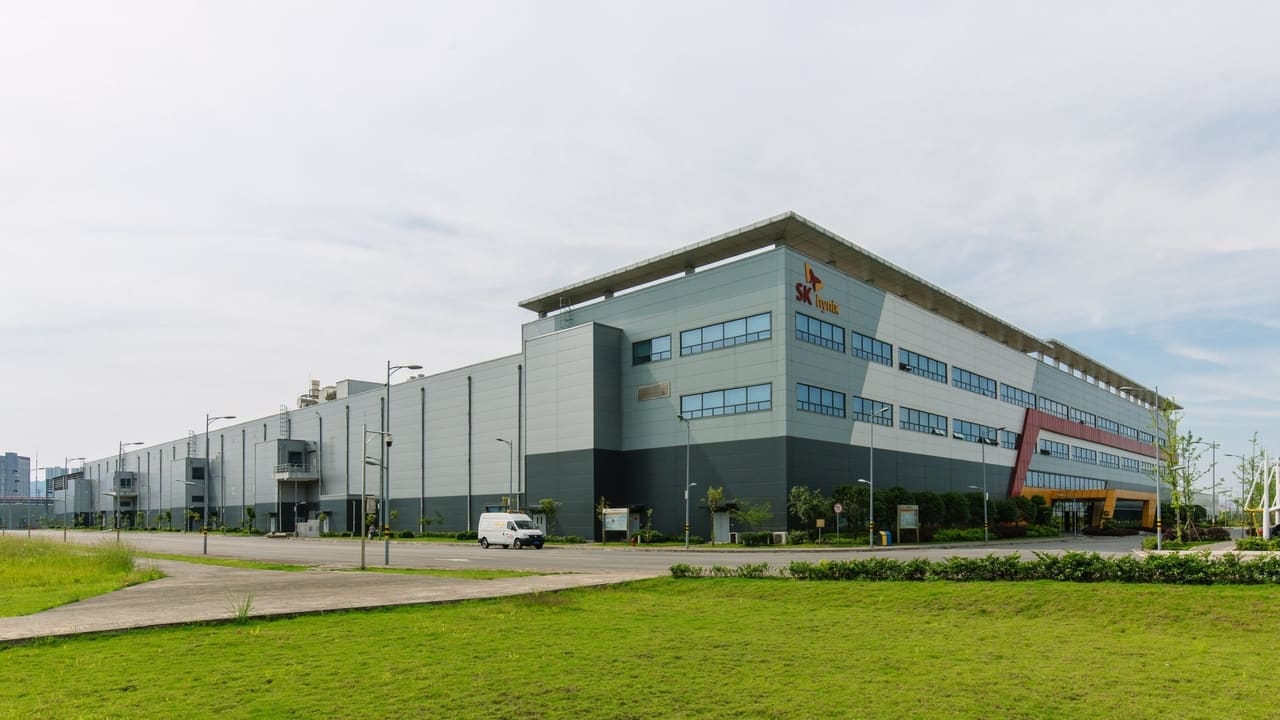
SK Hynix Reviews Future of China Packaging Facility Amid $3 Billion Valuation Talk
Cheng Wei-Lun · 2 min
Asian Tech Stocks Surge as Weak US Jobs Data Dims Rate Hike Outlook
Cheng Wei-Lun · 4 min
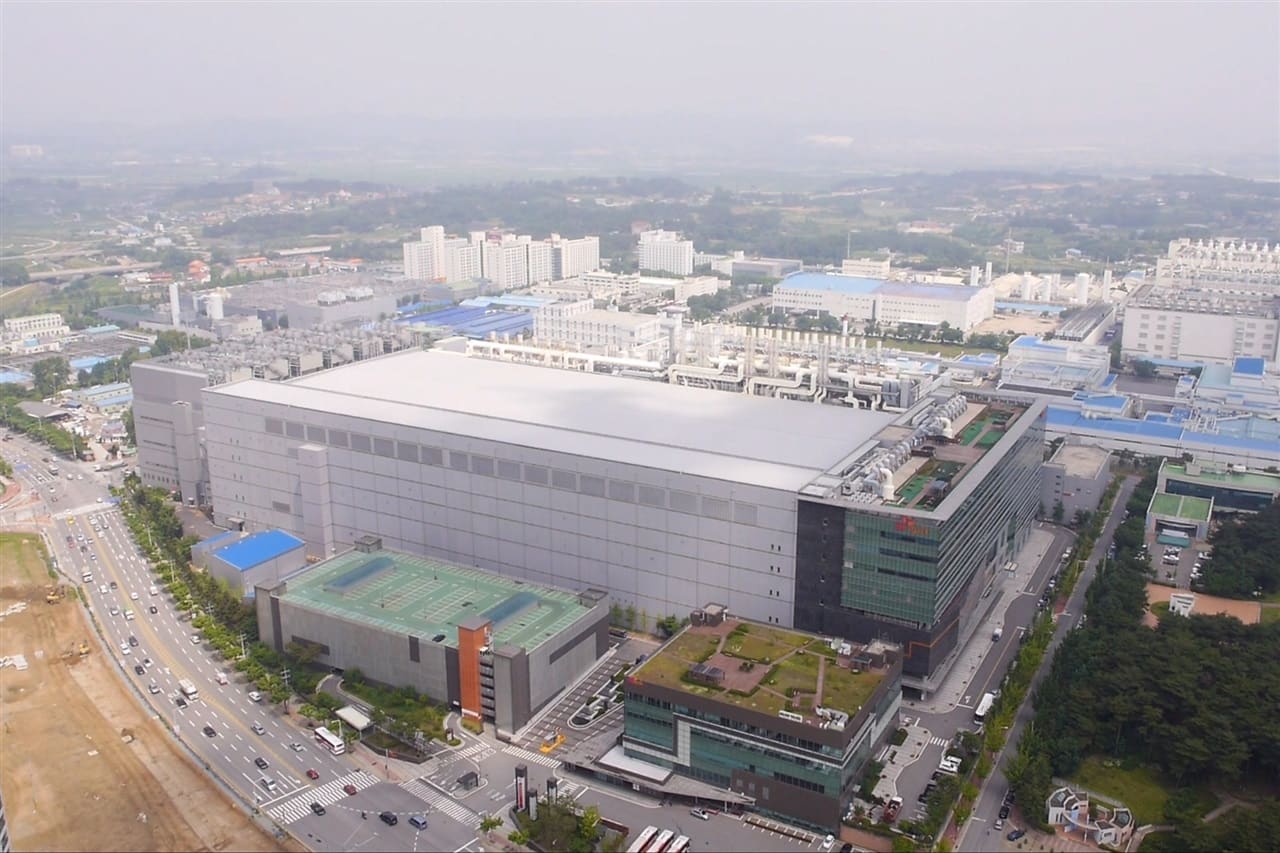
Seoul Court Upholds Prison Term for Ex-SK Hynix Engineer in Chip Leak Case
Cheng Wei-Lun · 3 min

China's Star Fund Managers Lose Ground After Rotating Into AI Stocks
Cheng Wei-Lun · 4 min
Spot something wrong? Email editor@briefasia.com. We log every correction publicly.