Technology · Policy
Seoul Court Upholds Prison Term for Ex-SK Hynix Engineer in Chip Leak Case
An 18-month sentence stands after a former employee transferred CMOS image sensor secrets to Chinese firms while job-hunting, including at Huawei's HiSilicon unit.
KEY TAKEAWAYS
- ·Seoul High Court confirmed an 18-month prison term for a former SK Hynix engineer who transferred CMOS image sensor technology to Chinese companies while seeking employment with Huawei's HiSilicon.
- ·The ruling reflects South Korea's stricter enforcement of semiconductor intellectual property protections amid regional competition and national security concerns over chip technology transfers.
- ·The case highlights legal risks for engineers in Asia's concentrated chip industry, where talent mobility intersects with trade secret laws and geopolitical export controls.
The Ruling
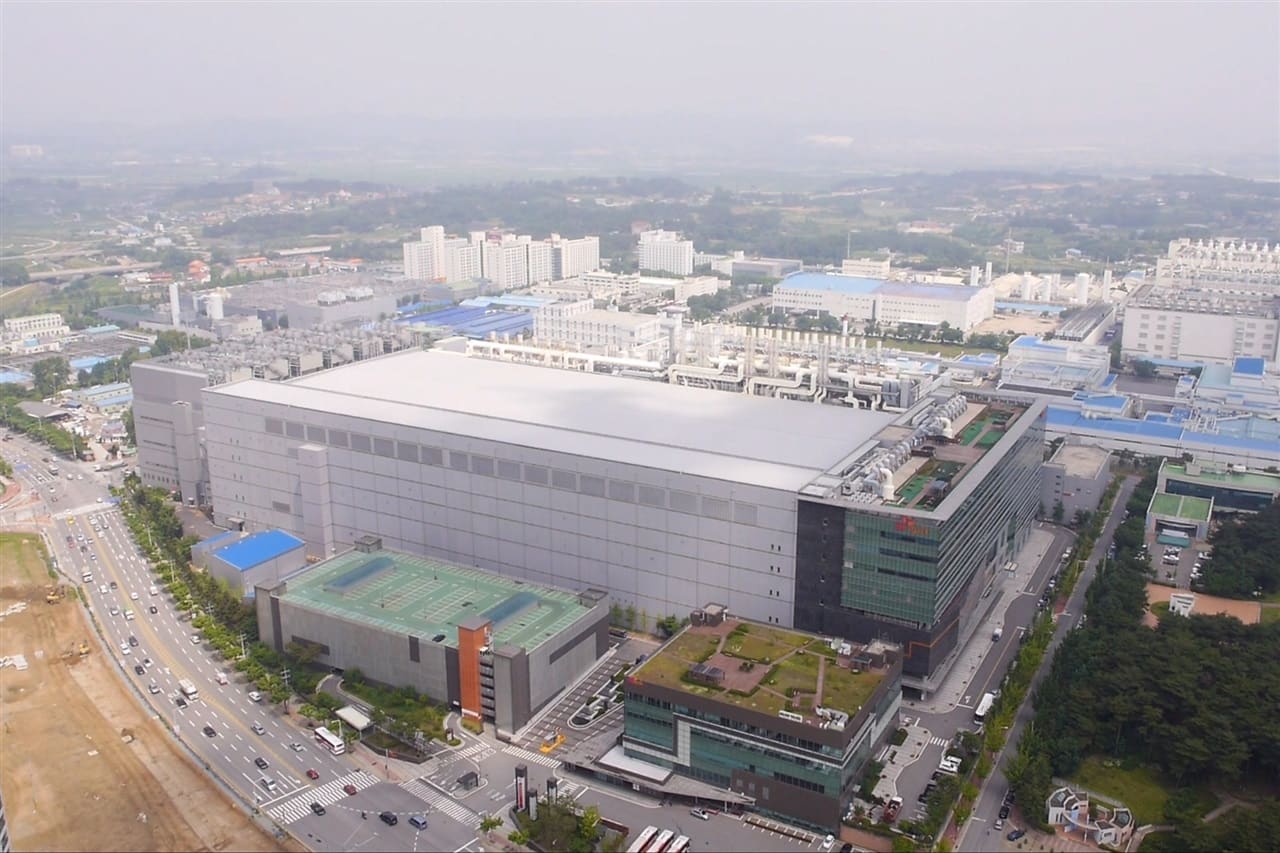
The Seoul High Court has confirmed an 18-month prison sentence for a former SK Hynix engineer convicted of transferring proprietary CMOS image sensor technology to Chinese companies. The individual leaked the trade secrets while pursuing job opportunities abroad, including a position with HiSilicon, the semiconductor design arm of Huawei.
The court's decision to uphold the original sentence underscores South Korea's intensifying efforts to protect semiconductor intellectual property amid rising competition in the global chip industry. SK Hynix, one of the world's largest memory chipmakers, has invested heavily in CMOS image sensor technology, which powers camera systems in smartphones, automotive applications, and industrial equipment.
The Technology at Stake
CMOS image sensors represent a critical segment of the semiconductor market, with applications spanning consumer electronics to autonomous vehicles. The technology involves complex design and manufacturing processes that companies guard closely. SK Hynix has positioned itself as a key player in this space, competing with Sony, Samsung, and OmniVision.
The leaked information involved proprietary design specifications and manufacturing techniques that SK Hynix developed over years of research and investment. Such intellectual property gives companies competitive advantages in yield rates, power efficiency, and image quality - factors that directly influence customer contracts worth hundreds of millions of dollars.
Asia's Semiconductor Security Challenge
The case reflects broader tensions in Asia's semiconductor ecosystem, where talent mobility intersects with national security concerns. South Korea, home to Samsung and SK Hynix, has tightened restrictions on technology transfers to China, particularly in memory chips and advanced manufacturing processes. Seoul enacted stricter industrial espionage laws in 2023, increasing penalties for trade secret theft and expanding the definition of protected technologies.
China, meanwhile, continues to pour resources into building domestic chip capabilities. Huawei's HiSilicon, despite facing US export restrictions since 2019, remains a strategic priority for Beijing's semiconductor self-sufficiency goals. The company has sought to recruit experienced engineers from Taiwan, South Korea, and Japan to accelerate development of memory, logic, and sensor technologies.
Industry Implications
For multinational chip companies operating in Asia, the ruling reinforces the legal risks employees face when handling proprietary information. SK Hynix and its peers have implemented stricter data access controls, exit interviews, and non-compete agreements in response to a string of intellectual property cases over the past three years.
The semiconductor industry's concentration in Northeast Asia - South Korea, Taiwan, Japan, and China account for over 70 percent of global chip production capacity - creates both collaboration opportunities and friction points. Engineers frequently move between companies and countries, carrying expertise that can be difficult to separate from protected trade secrets.
South Korean prosecutors have pursued multiple cases involving former Samsung and SK Hynix employees in recent years, often related to technology transfers to Chinese firms. The 18-month sentence in this case aligns with previous rulings, signaling consistent enforcement of intellectual property protections.
What Comes Next
The individual will serve the sentence unless a further appeal is filed with South Korea's Supreme Court, though legal experts consider additional review unlikely given the appellate court's affirmation. SK Hynix has not publicly commented on the case, consistent with its practice of avoiding detailed disclosures in personnel matters involving litigation.
The ruling arrives as South Korea and China navigate complex economic interdependence - China remains the largest export market for Korean semiconductors, even as Seoul aligns more closely with US-led export controls on advanced chips. Companies must balance commercial relationships with compliance requirements that increasingly treat certain technologies as strategic assets subject to government oversight.
For engineers in the region's chip sector, the case serves as a reminder that career mobility carries legal boundaries. What constitutes legitimate professional knowledge versus protected trade secrets remains a gray area, but courts across Asia are drawing clearer lines as geopolitical stakes around semiconductor technology continue to rise.
RELATED STORIES
SK Hynix Eyes Stake Sale in $3 Billion China Packaging Facility
Cheng Wei-Lun · 2 min
SK Hynix Reviews Future of China Packaging Facility Amid $3 Billion Valuation Talk
Cheng Wei-Lun · 2 min
Asian Tech Stocks Surge as Weak US Jobs Data Dims Rate Hike Outlook
Cheng Wei-Lun · 4 min
Washington's Polysilicon Tariffs Set to Squeeze Korean Solar Producers
Cheng Wei-Lun · 3 min
Spot something wrong? Email editor@briefasia.com. We log every correction publicly.