Perspectives · Analysis
Washington's Currency Intervention in Japan Reveals Deeper Debt Fears
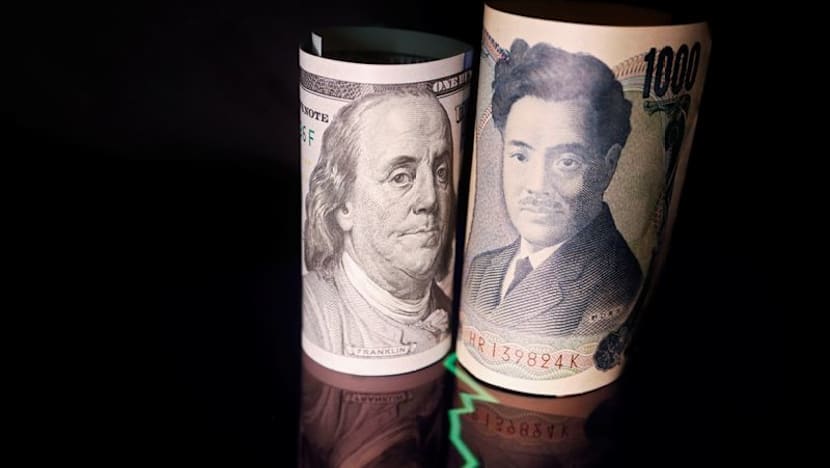
The US Treasury's unusual move to support the yen isn't just about alliance politics - it's about protecting American borrowing costs and postponing a reckoning both economies must face.
KEY TAKEAWAYS
- ·The US Treasury coordinated yen purchases with Tokyo after the currency fell over 10 percent in a year, marking a rare intervention outside crisis conditions.
- ·Japan holds the largest foreign stock of US Treasuries; a forced sale to defend the yen would raise American borrowing costs across the economy.
- ·The yen's decline reflects structural issues including aging demographics, sluggish growth, and a widening US-Japan interest rate gap that intervention alone cannot fix.
- ·Similar interventions in Argentina and the UAE reveal a pattern of using currency support as a transactional tool to reward allies and advance policy goals.
- ·Both governments face debt exceeding sustainable levels, and without fiscal reforms, currency intervention only postpones the discipline financial markets will eventually impose.
An Unusual Alliance in Foreign Exchange Markets
Currency intervention by Washington is rare. It typically signals crisis. Yet over the past year, the Trump administration has stepped into foreign exchange markets three times - backing the Argentine peso, signaling support for the UAE dirham, and now coordinating purchases of Japanese yen with Tokyo. None of these countries faced the kind of emergency that historically triggers such moves.
The pattern reveals a strategic calculus. These interventions are not acts of charity. They serve American economic interests, reward political allies, and increasingly weaponize currency markets to advance geopolitical goals. The yen intervention, in particular, exposes a vulnerability both governments would prefer to keep quiet: unsustainable debt levels that make each dependent on the other's stability.
The Yen's Slide and Tokyo's Dilemma
The yen depreciated more than 10 percent against the dollar in the year leading up to the coordinated intervention. Since 2020, it has lost roughly a third of its value. For Japan, this creates multiple pressures. A weaker yen raises import costs, fueling inflation in an economy long accustomed to deflation. It also makes yen-denominated government bonds less attractive to foreign investors, potentially driving up borrowing costs on a debt load that exceeds 200 percent of GDP.
Prime Minister Sanae Takaichi has pledged increased government spending to revive growth, a plan that hinges on keeping debt servicing costs manageable. A collapsing yen would undermine that strategy, forcing the Bank of Japan into an uncomfortable choice: defend the currency by selling dollar reserves, or watch inflation and borrowing costs rise.
Japan has a long history of currency intervention, sometimes to prevent excessive strength, other times to arrest rapid declines. What makes this episode different is the direct involvement of the US Treasury. That signals a shared interest - and a shared problem.
Why Washington Cares About the Yen
Japan is now the largest foreign holder of US Treasury securities. If the Bank of Japan were forced to liquidate part of that portfolio to acquire dollars for yen purchases, those Treasuries would need to find new buyers. That would push up yields on US government bonds, raising borrowing costs for the federal government, corporations, and consumers alike.
The timing is particularly sensitive. The Federal Reserve is contemplating interest rate increases in response to persistent inflation above its 2 percent target. Higher Treasury yields would compound that pressure, making debt service more expensive for a government running chronic deficits with no fiscal discipline in sight.
There is a second, more immediate concern. The administration has imposed tariffs of 10 to 12.5 percent on Japanese imports. If the yen continued to fall, those tariffs would be neutralized by currency depreciation, making Japanese goods cheaper for American consumers and undermining the intended policy effect.
The Limits of Market Intervention
Coordinated intervention can smooth volatility and deter speculative attacks. The Treasury's firepower, combined with the Bank of Japan's resources, can certainly move markets in the short term. But intervention alone cannot override fundamental economic forces.
The yen's decline is not the result of a sudden shock or irrational speculation. It reflects structural realities: an aging population, sluggish growth, a widening interest rate differential with the United States, and vulnerability to rising energy prices. A falling yen exacerbates these problems by increasing import costs, which in turn weighs on growth and erodes confidence.
Currency markets have a long memory for interventions that are not backed by policy adjustments. If Tokyo does not address the underlying fiscal trajectory, and if Washington continues to accumulate debt without constraint, market forces will eventually reassert themselves. Buying time is not the same as solving the problem.
A Pattern of Transactional Support
The yen intervention fits a broader pattern. In October, the administration supported the Argentine peso ahead of legislative elections critical to President Javier Milei, a close ideological ally. The gamble paid off. Milei won, delivered fiscal reforms, and stabilized the peso. The United States gained a partner committed to budget discipline and market-oriented policies.
When conflict broke out involving Iran, Washington publicly disclosed currency swap discussions with the UAE, a key security partner in the Gulf. The UAE did not need emergency liquidity, but the announcement signaled American backing and reassured markets.
In each case, currency support has been conditional and transactional. It rewards allies, advances policy goals, and demonstrates a willingness to use financial tools as instruments of statecraft. That approach has limits. Markets respect power, but they also punish inconsistency and unsustainable fundamentals.
The Debt Trap Both Governments Share
Japan and the United States occupy different points in the economic cycle. Japan faces demographic headwinds and stagnant growth. The United States enjoys a relatively robust economy and labor market, though inflation remains sticky. But both governments are running fiscal deficits that add to already elevated debt levels.
For Japan, debt exceeds 200 percent of GDP. For the United States, the debt-to-GDP ratio has climbed past 120 percent and continues to rise. Neither government has demonstrated the political will to address the trajectory. Instead, both are using monetary and currency tools to postpone a reckoning.
The yen intervention is, in this light, a joint attempt to manage the symptoms rather than the disease. A stable yen keeps Japanese demand for US Treasuries intact, which keeps American borrowing costs lower. In return, the United States provides the firepower to stabilize the yen, which buys Tokyo time to pursue fiscal expansion without immediate market punishment.
This arrangement is fragile. It depends on the Federal Reserve not tightening too aggressively, on Japanese investors remaining willing to hold dollar assets, and on both currencies retaining credibility. If any of those conditions breaks down, the intervention will prove insufficient.
Lessons from Argentina
Argentina offers a contrasting case. The peso intervention succeeded because it was paired with genuine fiscal reform. Milei delivered a balanced budget, brought inflation down, and put debt on a declining path. Markets rewarded that with stability.
Neither Japan nor the United States has shown similar resolve. Takaichi's spending plans move in the opposite direction. The Trump administration has shown little interest in fiscal consolidation, and Congress remains divided on entitlement reform. Without policy changes, currency intervention is a temporary fix.
Financial markets impose discipline, often harshly and suddenly. They tolerate imbalances for long periods, then punish them abruptly when confidence erodes. Both Tokyo and Washington are betting they can manage market sentiment through intervention and signaling. History suggests that bet has poor odds.
What Comes Next
The coordinated yen purchases have steadied the currency for now. But the underlying dynamics remain unchanged. Interest rate differentials favor the dollar. Japan's fiscal outlook is fragile. The United States continues to accumulate debt at a pace that will eventually test market patience.
If the Federal Reserve raises rates this year, as inflation data increasingly suggest it will, the pressure on the yen will resume. Tokyo and Washington can intervene again, but each successive intervention carries higher costs and lower credibility.
The real question is whether either government will use the breathing room to address the structural issues. For Japan, that means confronting the fiscal implications of an aging society and stagnant growth. For the United States, it means reconciling ambitions for tax cuts and spending increases with the reality of mounting debt service costs.
Currency markets are sending a clear signal. The yen's decline is a warning about Japan's fiscal trajectory. The need for intervention is a warning about the interdependence of two heavily indebted economies. Both governments are choosing to interpret those warnings as noise rather than data.
That choice may work for a while. Markets can remain irrational, or at least patient, longer than many expect. But the lesson from Argentina is instructive: intervention succeeds when it buys time for reform, not when it substitutes for reform. Tokyo and Washington are currently pursuing the latter strategy. Markets will eventually demand the former.
RELATED STORIES
Yen Slides Back Toward 160 as Joint Intervention Fades
Cheng Wei-Lun · 3 min

US and Japan Stage First Joint Yen Intervention in 28 Years
Cheng Wei-Lun · 3 min
Japan's Currency Defense Crumbles as Dollar Pushes Past 159 Yen
Cheng Wei-Lun · 4 min

Japan's Trading Houses Defy Conglomerate Discount as Buffett's Successor Plans First Visit
Cheng Wei-Lun · 4 min
Spot something wrong? Email editor@briefasia.com. We log every correction publicly.