Asia · Politics
South Sumatra Police Uncover 1.4 Million Liters in Fuel Diversion Scheme
Authorities arrest 142 suspects in seven-month operation targeting subsidized fuel embezzlement across Indonesia's third-largest island
KEY TAKEAWAYS
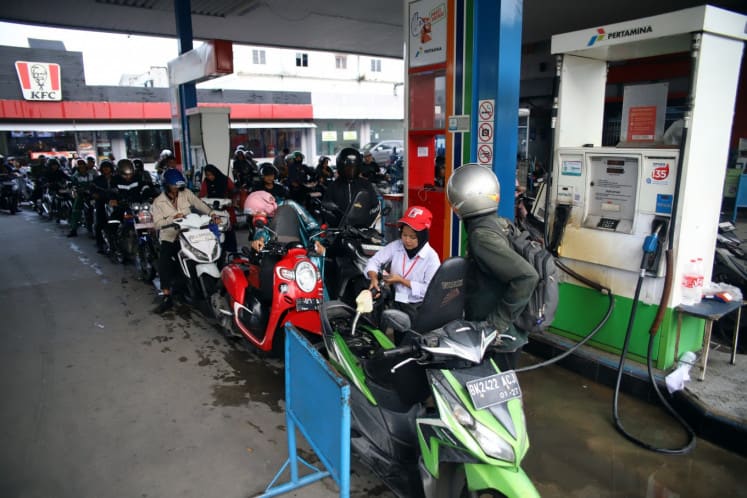
- ·South Sumatra Police arrested 142 suspects across 96 cases involving 1.4 million liters of subsidized fuel diverted between January and July 2026.
- ·The scheme exploited gaps in Indonesia's fuel distribution system, with fuel siphoned at depot terminals, during transport, and at retail stations across the province.
- ·The case highlights enforcement challenges in Indonesia's subsidy programs, where price differentials create black market incentives and fragmented oversight enables large-scale diversion.
Scale of the Operation
South Sumatra Police detained 142 individuals in connection with what officials characterize as among the largest fuel embezzlement operations documented in recent years. The arrests followed a seven-month investigation that identified 96 separate cases of subsidized fuel diversion across the province.
Authorities estimate that approximately 1.4 million liters of fuel disappeared from official distribution networks between January and July 2026. The scale suggests systematic coordination rather than isolated incidents, with multiple actors operating across different nodes of the supply chain.
How Subsidized Fuel Becomes Black Market Commodity
Indonesia's fuel subsidy program aims to keep petroleum prices affordable for lower-income households and small businesses. The price differential between subsidized and market-rate fuel creates arbitrage opportunities that have long attracted organized diversion schemes.
The investigation documented fuel disappearing at multiple points: from depot loading terminals, during transport by tanker trucks, and at retail distribution stations. In some documented cases, drivers and station operators allegedly colluded to falsify delivery records, routing subsidized fuel to unregistered buyers willing to pay above the subsidized rate but below market price.
The South Sumatra operation represents a microcosm of a challenge faced across Indonesia's archipelago, where geographic sprawl and fragmented oversight create enforcement gaps. Sumatra, the nation's third-largest island by population, has seen similar cases emerge in neighboring provinces over the past two years, though none matching the volume uncovered in this investigation.
Regional Distribution Vulnerabilities
South Sumatra's fuel infrastructure serves both urban centers like Palembang and rural districts where monitoring is more difficult. The province sits along key logistics corridors connecting Jakarta with resource-extraction regions further north, making it a transit hub for legitimate and illicit fuel flows alike.
Enforcement agencies face structural constraints: limited personnel to monitor hundreds of distribution points, outdated tracking systems that rely on manual reporting, and insufficient real-time data integration across agencies. These gaps allow diversion schemes to operate for months before detection.
The 1.4 million liters identified represent only confirmed cases. Authorities acknowledge that undetected diversion likely exceeds documented volumes, given the investigation focused on cases where physical evidence or whistleblower reports provided actionable leads.
Fiscal and Market Implications
Fuel subsidies constitute a significant portion of Indonesia's national budget. Each liter diverted from the subsidized channel represents both lost social benefit and fiscal leakage. When that fuel re-enters the market at non-subsidized prices, the government effectively underwrites profit for black market operators.
For legitimate fuel retailers operating without subsidy access, diverted fuel creates unfair competition. Businesses purchasing fuel at market rates cannot match the pricing of competitors sourcing subsidized product through irregular channels.
The investigation also highlights risks to fuel quality and safety standards. Diverted fuel often bypasses quality controls and proper handling protocols, with storage in unapproved facilities and transport in uncertified vehicles.
What Comes Next
The 142 arrests mark the enforcement phase; prosecution will test whether Indonesia's legal framework can deliver consequences sufficient to deter future schemes. Previous fuel embezzlement cases have seen uneven outcomes, with penalties ranging from fines to multi-year prison terms depending on case specifics and judicial interpretation.
South Sumatra Police have not disclosed whether the investigation identified higher-level coordination or if the 96 cases represent independent operations exploiting similar vulnerabilities. That distinction matters for designing systemic fixes versus addressing individual bad actors.
The case arrives as Indonesia continues broader energy subsidy reforms aimed at reducing fiscal exposure while protecting vulnerable households. How authorities respond to this diversion scheme will signal whether enforcement capacity is keeping pace with policy ambitions, or whether structural gaps remain too wide to close through arrests alone.
For now, the 1.4 million liters stand as a measurable symptom of a distribution system still porous enough to leak fuel at industrial scale.
RELATED STORIES

Indonesia Car Sales Jump 34% as Electric Vehicles Reshape Southeast Asia's Auto Market
Siti Nuraini · 3 min
Indonesia Freezes Aid to 1.5 Million Families Over Gambling Flags
Siti Nuraini · 3 min

Indonesia's Education Bill Revision Could Reopen Funding Door for Free Meals Program
Siti Nuraini · 3 min
Indonesia's Growth Numbers Hide Shrinking Savings and Rising Household Debt
Priyanka V. Rao · 4 min
Spot something wrong? Email editor@briefasia.com. We log every correction publicly.