Technology · AI
TSMC Posts Record Monthly Revenue as AI Chip Demand Accelerates
The world's largest contract chipmaker reported NT$467.58 billion in July sales, marking the strongest monthly performance in company history driven by AI and high-performance computing orders.

KEY TAKEAWAYS
- ·Taiwan Semiconductor Manufacturing Company reported NT$467.58 billion in July 2026 revenue, a 44.7% increase year-over-year and a monthly record.
- ·Artificial intelligence and high-performance computing demand drove utilization rates higher at advanced fabrication nodes below 7 nanometers.
- ·Sequential monthly growth of 5.6% signals sustained order momentum into the third quarter, defying typical seasonal inventory adjustments.
Foundry Leader Extends Growth Streak
Taiwan Semiconductor Manufacturing Company recorded NT$467.58 billion in revenue during July 2026, approximately US$14.5 billion, according to the company's financial disclosure. The figure represents a 5.6% increase from June and a 44.7% surge compared to the same month last year, setting a new monthly record for the foundry giant.
The consecutive gains underscore the sustained appetite for cutting-edge semiconductors across data center infrastructure and AI accelerator markets. TSMC's manufacturing capacity, particularly for advanced nodes below 7 nanometers, remains a bottleneck as hyperscalers and chip designers compete for production slots.
AI Infrastructure Drives Utilization
Artificial intelligence workloads have fundamentally altered semiconductor demand patterns across Asia's technology ecosystem. TSMC's Taiwanese fabrication plants are running at elevated utilization rates, with leading-edge capacity allocated months in advance to customers deploying large language models and machine learning inference engines.
High-performance computing applications, spanning both cloud infrastructure and edge devices, contributed materially to the July performance. The foundry's 3-nanometer process node, now in volume production, serves clients building processors optimized for parallel computation and low-latency inference tasks.
July's sequential growth of 5.6% suggests robust order visibility extending into the third quarter, a period typically marked by inventory adjustments ahead of year-end product cycles. The momentum reflects both immediate AI deployment needs and longer-term infrastructure buildouts across Singapore, Tokyo, and North American data center hubs.
Regional Supply Chain Implications
TSMC's revenue trajectory carries weight beyond its own balance sheet. Upstream equipment suppliers in Japan and South Korea, materials providers across Southeast Asia, and packaging partners in Taiwan and Malaysia all track the foundry's production tempo as a leading indicator for capital expenditure and hiring decisions.
The 44.7% year-over-year expansion also highlights the divergence between legacy semiconductor segments, where pricing pressure and inventory digestion persist, and advanced nodes commanding premium pricing. Foundries operating at 28-nanometer and above continue to navigate softer demand for consumer electronics and automotive chips, while TSMC's sub-7nm capacity enjoys pricing power.
Investment analysts monitoring Asia's chip sector view monthly revenue disclosures as real-time demand signals, particularly as geopolitical considerations push governments and corporations to secure supply agreements directly with foundries. TSMC's capital intensity and multi-year lead times mean today's revenue reflects design wins secured 18 to 24 months prior, offering a window into the durability of AI investment cycles.
Capacity Expansion and Market Position
The foundry has committed over US$40 billion annually to capacity expansion, with new fabs under construction in Arizona, Japan, and additional sites in Taiwan. These investments target both leading-edge and mature nodes, responding to customer requests for geographic diversification and supply chain resilience.
July's record comes as competitors in South Korea and China ramp their own advanced packaging and process technology. TSMC maintains a technological lead in transistor density and yield rates at the 3nm node, but the gap narrows with each generation. The company's ability to sustain double-digit growth hinges on maintaining that edge while scaling production across multiple geographies.
Order momentum heading into August will test whether AI-driven demand can offset potential softness in smartphone and PC processor segments, where inventory corrections remain a risk. For now, TSMC's production lines reflect an industry betting heavily on the computational intensity of next-generation workloads, with July's figures offering tangible evidence that bet is paying off in revenue terms.
RELATED STORIES
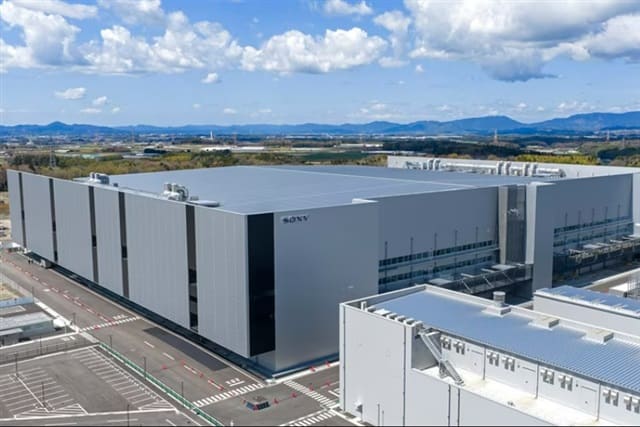
Sony and TSMC Plot $6.3 Billion Image Sensor Plant in Southern Japan
Cheng Wei-Lun · 3 min
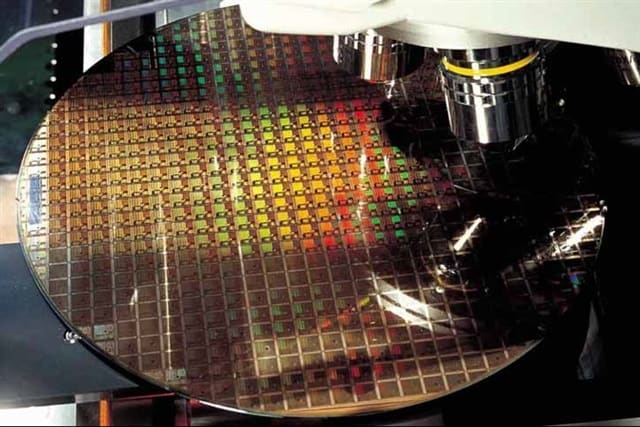
TSMC Shifts CoW Packaging Work to Third-Party Contractors as AI Demand Strains Capacity
Cheng Wei-Lun · 3 min
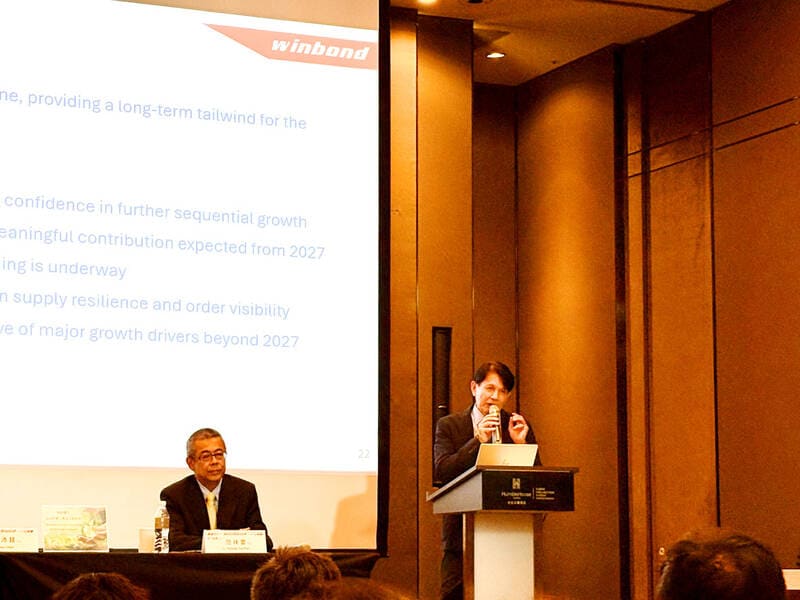
Taiwan Chipmaker Winbond Plans Major DRAM Plant as AI Drives Memory Shortage
Cheng Wei-Lun · 3 min

VisEra Technologies Reports Q2 Recovery on Smartphone Sensor Shipments
Cheng Wei-Lun · 3 min
Spot something wrong? Email editor@briefasia.com. We log every correction publicly.