Technology · Products
VisEra Technologies Reports Q2 Recovery on Smartphone Sensor Shipments
TSMC-affiliated chipmaker sees business momentum rebound as CMOS image sensor demand stabilizes across mobile devices

KEY TAKEAWAYS
- ·VisEra Technologies reported substantial Q2 2026 business recovery driven by stable smartphone CMOS image sensor shipments through its Hsinchu production facilities.
- ·The TSMC-affiliated optical sensing chipmaker attributed the quarterly turnaround to normalizing inventory levels and predictable ordering patterns from handset manufacturers.
- ·Management expects momentum to continue into the second half of 2026, aligning with seasonal smartphone production ramps ahead of year-end demand.
Recovery Takes Hold
VisEra Technologies told investors on August 6 that its business picked up substantially during the second quarter of 2026, propelled by consistent volumes of smartphone CMOS image sensors moving through production lines.
The Hsinchu-based optical sensing specialist, which operates under TSMC's corporate umbrella, pointed to stabilizing demand patterns in mobile imaging components as the primary factor behind its quarterly turnaround. The company manufactures wafer-level camera modules and advanced packaging solutions for image sensors used in consumer electronics.
Smartphone Imaging Drives Volume
Smartphone CIS shipments provided the foundation for VisEra's Q2 performance. The company's production facilities maintained steady throughput as handset manufacturers replenished component inventories following a period of cautious ordering in late 2025 and early 2026.
CMOS image sensors represent the core technology enabling smartphone photography, translating light into digital signals that form images. VisEra specializes in the backend packaging and testing of these sensors, a critical step that determines final product yield and optical performance.
The stabilization in smartphone sensor demand reflects broader inventory normalization across the mobile supply chain. After months of destocking that pressured component suppliers, device makers resumed more predictable ordering patterns as they prepared for product launches in the second half of the year.
TSMC Connection and Market Position
VisEra operates as a subsidiary of Taiwan Semiconductor Manufacturing Company, the world's largest contract chipmaker. While TSMC focuses on front-end wafer fabrication, VisEra handles specialized backend processes for optical components, including wafer-level optics and three-dimensional packaging.
This relationship positions VisEra within TSMC's broader strategy to capture value across the semiconductor supply chain, particularly in high-growth segments like imaging and sensing. The company competes with other packaging specialists in Taiwan, South Korea, and China that serve major CIS designers including Sony, Samsung, and OmniVision.
Taiwan's optical sensor packaging industry has faced headwinds over the past year as smartphone shipments grew more slowly than anticipated and inventory corrections rippled through component suppliers. VisEra's Q2 results suggest the worst of that adjustment period may be behind the sector.
Outlook and Industry Context
The company's August 6 remarks to analysts indicate management expects the momentum established in Q2 to carry into the latter half of 2026. This outlook aligns with seasonal patterns in the smartphone industry, where the second half typically sees stronger component demand as manufacturers ramp production ahead of year-end shopping seasons.
Beyond smartphones, CMOS image sensors are finding expanded applications in automotive systems, industrial automation, and security cameras. VisEra has invested in capacity and technology to serve these adjacent markets, though mobile devices remain the dominant revenue driver.
The stabilization VisEra described also matters for the broader Taiwanese semiconductor ecosystem. Optical sensor packaging sits at the intersection of advanced materials science, precision manufacturing, and miniaturization, areas where Taiwan has built competitive advantages over decades of electronics manufacturing.
For investors tracking Asia's technology supply chains, VisEra's trajectory offers a window into component-level demand trends that precede finished product announcements. The shift from destocking to stable ordering suggests underlying health in the smartphone market, even as unit growth rates remain modest compared to the industry's earlier expansion years.
Whether this momentum sustains will depend on consumer spending patterns in major markets, the pace of handset replacement cycles, and competition among device makers to differentiate through camera capabilities. For now, VisEra's Q2 performance marks a tangible turn in business conditions after a challenging stretch.
RELATED STORIES
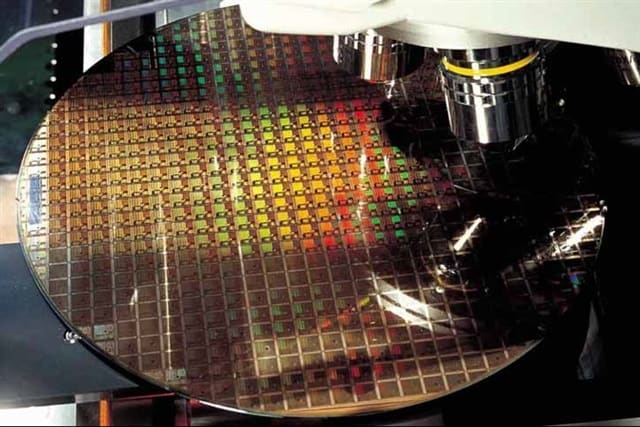
TSMC Shifts CoW Packaging Work to Third-Party Contractors as AI Demand Strains Capacity
Cheng Wei-Lun · 3 min
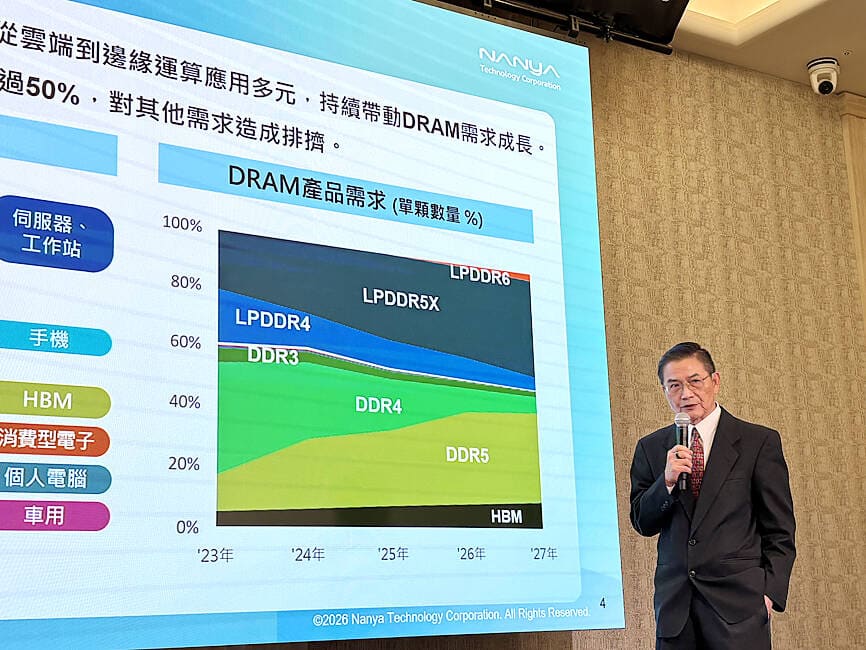
Nanya Technology Lifts 2026 Budget to $2.16 Billion for DRAM Expansion
Cheng Wei-Lun · 3 min

Taiwan, China and the US Race to Lock Down Tech Talent as Security Concerns Rise
Cheng Wei-Lun · 3 min
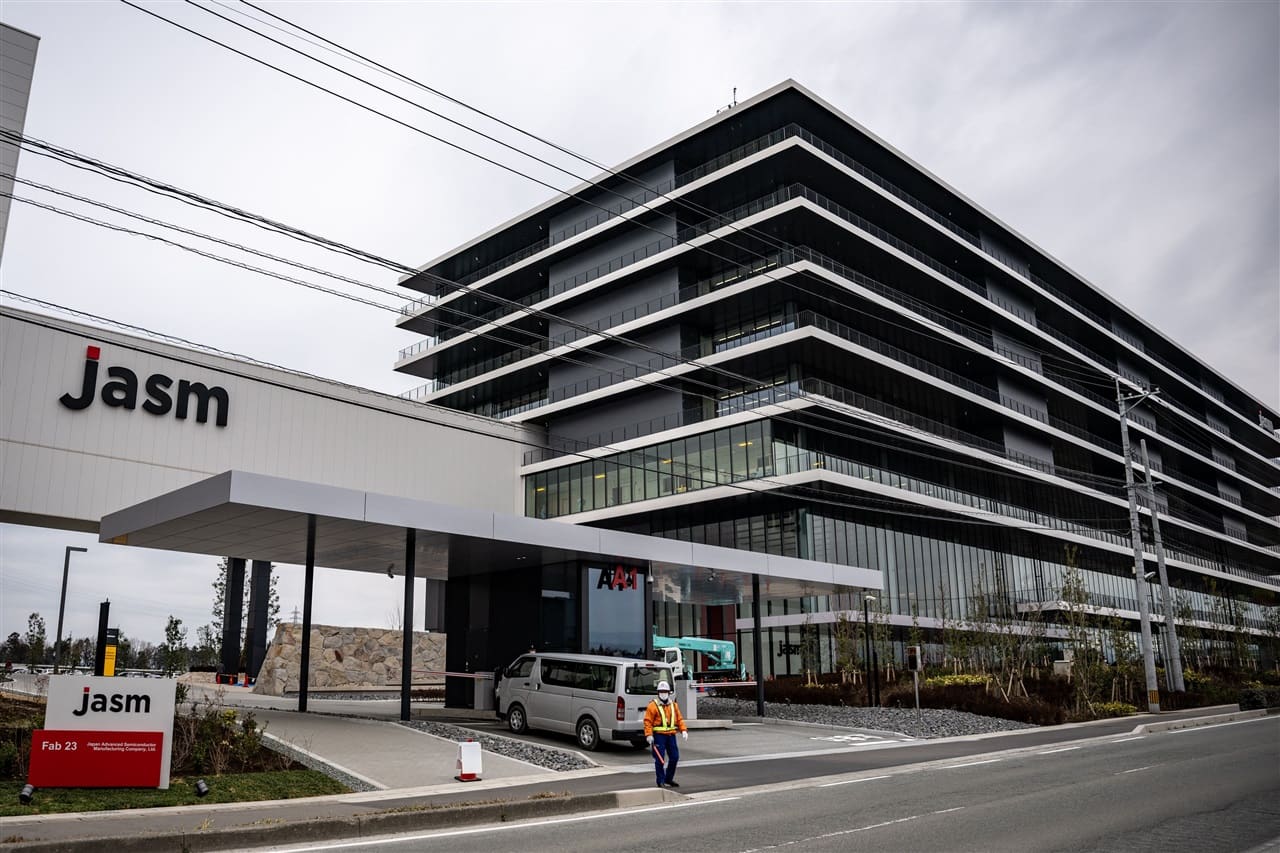
TSMC Brings 3nm Chipmaking and Advanced Packaging to Japan Expansion
Cheng Wei-Lun · 3 min
Spot something wrong? Email editor@briefasia.com. We log every correction publicly.