Technology · Dev
Nanya Technology Lifts 2026 Budget to $2.16 Billion for DRAM Expansion
Taiwan's memory chipmaker accelerates 10-nanometer production at new fab, approving capital plan through 2029 to capture AI-driven demand
KEY TAKEAWAYS
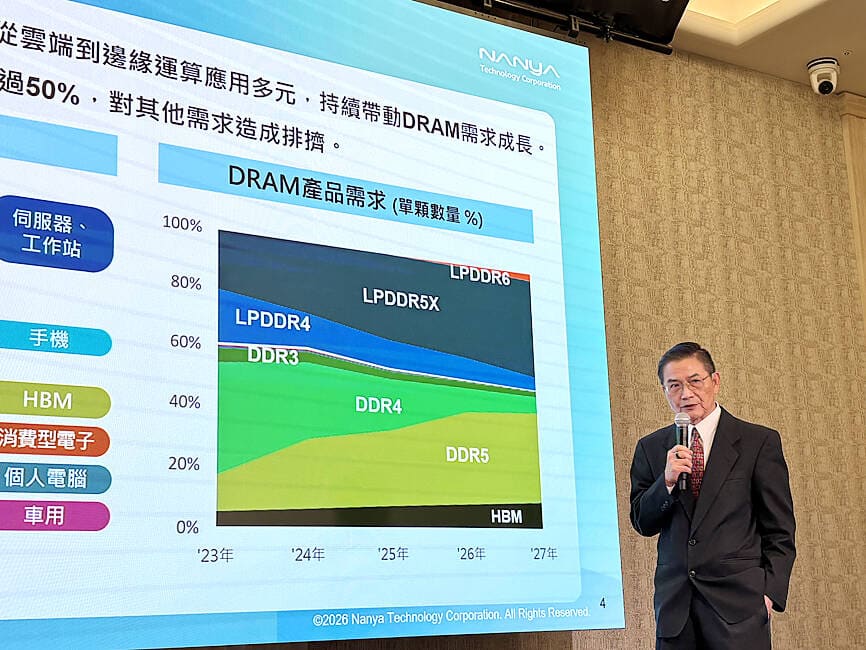
- ·Nanya Technology increased its 2026 capital expenditure by 34 percent to NT$69.7 billion to fund equipment purchases for its Fab 5A expansion.
- ·The company approved NT$346.6 billion in spending through 2029 to reach 35,900 wafer starts per month using 10-nanometer DRAM technology.
- ·A $2.1 billion capital injection into a wholly owned subsidiary aims to mitigate foreign exchange risk as the expansion accelerates.
Expansion at Fab 5A Drives Spending Increase
Nanya Technology raised its 2026 capital expenditure ceiling to NT$69.7 billion (US$2.16 billion), a 34 percent increase from its original NT$52 billion budget, according to a company statement. The additional funds will support advance payments on manufacturing equipment for Fab 5A, the company's newest 12-inch wafer fabrication facility.
The Taiwanese DRAM manufacturer's board approved a comprehensive capital plan spanning 2026 through 2029, totaling NT$346.6 billion for Fab 5A. The multi-year investment includes procurement of extreme ultraviolet lithography equipment, essential for producing chips at smaller process nodes. The spending will enable the first phase of capacity expansion, targeting 35,900 wafer starts per month by 2029.
Nanya Technology plans to manufacture DRAM chips at Fab 5A using 10-nanometer-class process technology. The facility is scheduled to reach 30,000 wafer starts per month in 2028 before climbing to 35,900 the following year. The fab's ultimate design capacity stands at 45,000 wafer starts per month, though the company has not disclosed a timeline for reaching that level.
Currency Risk Mitigation and Strategic Moves
The board also authorized a $2.1 billion capital injection into Nanya Technology International, a wholly owned subsidiary. The move aims to reduce exposure to foreign exchange volatility, a concern for semiconductor manufacturers that operate in multiple currencies while competing in a dollar-denominated global market.
In a separate transaction, Nanya Technology approved the transfer of 715,000 common shares of PieceMakers Technology to an underwriter at a minimum price of NT$545 per share. The transfer relates to PieceMakers' listing on the Emerging Stock Board, Taiwan's platform for smaller growth companies. Following the share sale, Nanya Technology's ownership in PieceMakers will decline to 33.96 percent. The company expects to record a disposal gain of NT$360 million from the transaction.
Asia's Memory Chip Race Intensifies
The capacity expansion reflects broader trends in Asia's semiconductor industry, where memory chipmakers are racing to meet demand driven by artificial intelligence workloads and data center construction. DRAM chips serve as critical short-term memory in servers, smartphones, and computing devices, with pricing and supply tightly linked to technology cycles.
Taiwan's position in the memory sector has grown more strategic as supply chain diversification becomes a priority for technology buyers. While South Korean manufacturers Samsung and SK Hynix dominate the global DRAM market, Taiwanese producers like Nanya Technology occupy a niche in specialty memory and serve regional customers seeking alternatives to the duopoly.
The investment in extreme ultraviolet equipment signals Nanya Technology's push toward leading-edge production. EUV lithography enables finer circuit patterns, critical for achieving the density and performance required in next-generation memory chips. Securing access to this equipment, primarily supplied by Netherlands-based ASML, has become a competitive differentiator in the semiconductor industry.
Regional Capital Deployment Trends
Nanya Technology's spending increase mirrors a pattern across Asia-Pacific chipmakers, where capital intensity has surged in response to geopolitical pressures and technology shifts. Packaging and testing firms, foundries, and memory producers have all raised their 2026 budgets, betting that demand for advanced chips will justify the front-loaded investments.
The timing of Nanya Technology's announcement comes as memory prices show signs of stabilization after a prolonged downturn. Industry watchers expect AI-related server demand to support memory chip consumption through the remainder of the decade, though cyclical swings remain a defining characteristic of the sector.
For investors tracking Taiwan's semiconductor ecosystem, the Fab 5A buildout represents a test of whether smaller memory players can compete on technology roadmaps historically dominated by larger rivals. The 10-nanometer production target places Nanya Technology within striking distance of industry leaders, though execution risks around yield, cost, and market timing remain.
The company has not disclosed specific customers or end applications for the expanded capacity, consistent with industry practice. Memory chipmakers typically maintain broad customer relationships across consumer electronics, enterprise computing, automotive, and industrial segments, reducing reliance on any single demand source.
RELATED STORIES
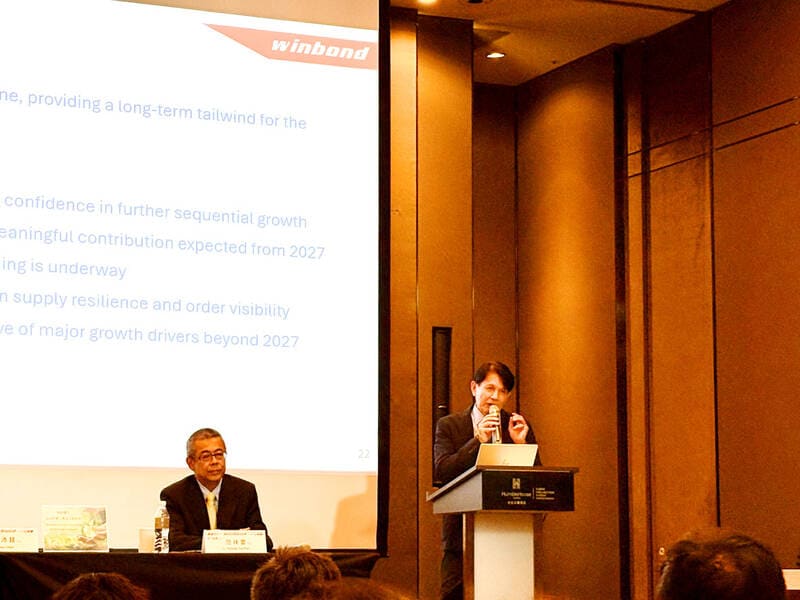
Taiwan Chipmaker Winbond Plans Major DRAM Plant as AI Drives Memory Shortage
Cheng Wei-Lun · 3 min
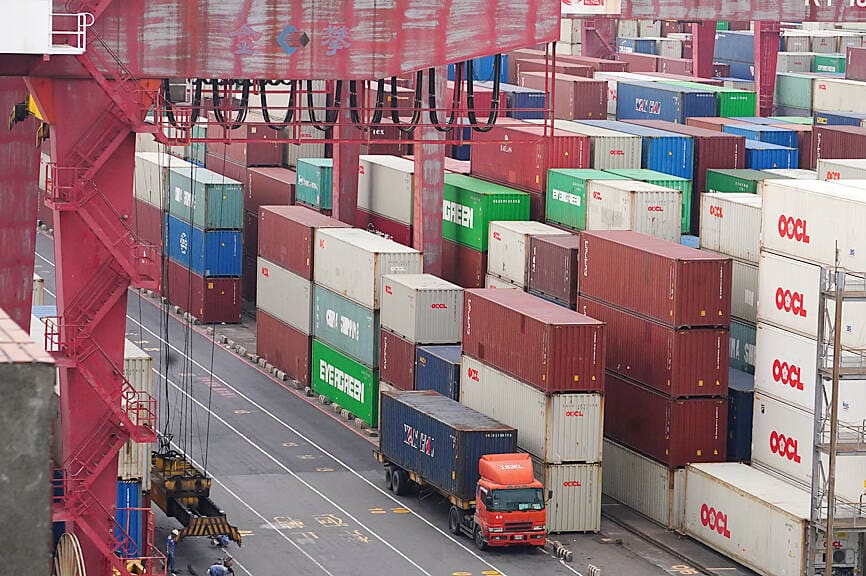
Taiwan's Chip Exports Hit Record on Memory Price Surge and AI Build-Out
Cheng Wei-Lun · 2 min

VisEra Technologies Reports Q2 Recovery on Smartphone Sensor Shipments
Cheng Wei-Lun · 3 min
Asia's Memory Makers Shift Focus as DRAM Margins Challenge HBM Dominance
Cheng Wei-Lun · 4 min
Spot something wrong? Email editor@briefasia.com. We log every correction publicly.