Asia · Trade
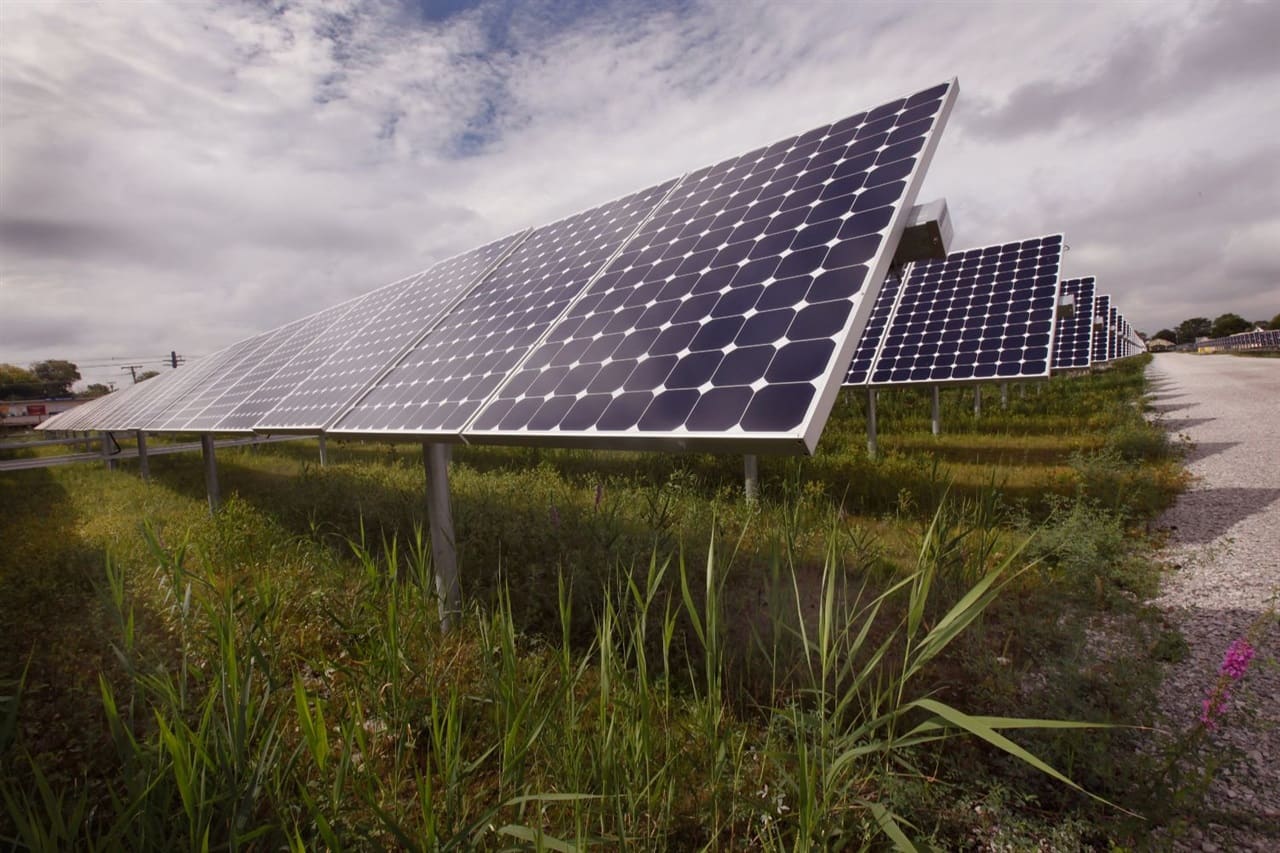
Trump's Polysilicon Tariffs Create New Winners in Asia's Solar Supply Chain
New 15% levy and minimum import prices shift competitive advantage away from Chinese producers toward regional rivals
KEY TAKEAWAYS
- ·The White House imposed a 15% tariff and minimum import prices on polysilicon effective August 6, raising baseline costs for all foreign material entering the US market.
- ·Chinese producers lose price competitiveness in the US while South Korean, Japanese, and Southeast Asian manufacturers gain a structural advantage under the new policy.
- ·The policy is expected to create bifurcated global pricing with higher US market rates and accelerate solar manufacturing diversification outside China across Asia.
The Policy Shift
On August 6, the White House introduced a dual-mechanism trade measure targeting polysilicon and derivative products: a 15% tariff coupled with mandatory minimum import prices. The proclamation applies to all foreign-sourced material entering the United States, ending a period of relatively open access that had allowed low-cost Asian imports to dominate the American solar market.
The tariff structure marks a departure from previous trade remedies, which typically focused on anti-dumping duties or countervailing measures tied to specific findings of unfair subsidy. By setting floor prices alongside the percentage levy, the policy effectively raises the baseline cost for all imported polysilicon, regardless of production method or country of origin.
Immediate Market Impact
Chinese polysilicon producers, who have driven global prices down through massive capacity expansion over the past five years, now face a structural barrier to maintaining their US market share. Spot prices for Chinese-origin material had fallen below $8 per kilogram in recent months, a level that even with shipping costs undercut most Western production. The new minimum import price, while not publicly disclosed in the proclamation text, is understood to be set above current Chinese export pricing.
Non-Chinese manufacturers stand to benefit from the policy's design. Producers in South Korea, Japan, and emerging facilities in Southeast Asia now operate within a protected pricing environment where their higher cost structures become less of a competitive disadvantage. The tariff effectively compresses the price gap between low-cost and higher-cost suppliers when selling into the US market.
American polysilicon capacity, concentrated in a handful of facilities with production costs estimated between $10 and $14 per kilogram, gains breathing room. Domestic producers had been operating at reduced utilization rates as cheaper imports captured downstream solar panel manufacturing demand. The new policy creates a pricing umbrella that should improve margins and potentially justify capacity restarts.
Supply Chain Recalibration
The solar manufacturing value chain, which had consolidated heavily in China over the past decade, now faces pressure to diversify. Polysilicon sits at the upstream end of the production sequence: raw material is processed into ingots, sliced into wafers, fabricated into cells, and assembled into modules. Chinese firms had achieved vertical integration across all stages, leveraging low polysilicon costs to dominate global module exports.
With US polysilicon access now constrained by price floors, Chinese solar manufacturers targeting the American market must either absorb higher input costs or source material from non-Chinese suppliers. This dynamic could accelerate the buildout of solar manufacturing capacity outside China, particularly in countries with free-trade agreements or preferential access to the US market.
India's polysilicon sector, still nascent but backed by government production-linked incentive schemes, gains strategic value. Malaysia and Vietnam, already hosting significant solar wafer and cell capacity, become more attractive locations for upstream investment. South Korean chemical conglomerates with existing polysilicon lines may see renewed interest from downstream partners seeking diversified supply.
Regional Competitive Dynamics
The tariff structure introduces asymmetry across Asia's solar manufacturing landscape. Producers with integrated supply chains rooted in China face higher effective costs when serving US customers. Firms with flexible sourcing strategies or regional production footprints can navigate the new rules more easily.
Taiwanese solar companies, many of which maintain both domestic and Southeast Asian manufacturing, are positioned to benefit. Their ability to source polysilicon from non-Chinese suppliers while leveraging lower-cost regional labor for downstream processing offers a competitive edge in the reconfigured market.
Japanese manufacturers, who had largely ceded commodity solar production to Chinese rivals, retain specialty polysilicon capacity for high-efficiency applications. The tariff environment may revive interest in premium product segments where Japanese material quality commands a differentiated price.
Pricing and Capacity Outlook
Polysilicon prices in the US market are expected to stabilize above the minimum import threshold, creating a bifurcated global pricing structure. Chinese domestic prices will likely remain lower, supporting local solar manufacturing for non-US export markets and domestic installation. Non-Chinese material destined for the United States will trade at a premium, with the spread determined by the gap between the tariff-inclusive floor and prevailing global spot rates.
Capacity investment decisions will reflect the new trade landscape. Chinese producers, facing limited US access, may slow expansion plans or redirect output toward other regions. Non-Chinese suppliers, particularly those in countries with favorable trade status, have clearer incentives to add capacity. American polysilicon producers, after years of contraction, may consider brownfield restarts or greenfield projects if sustained pricing support materializes.
The durability of the policy remains an open question. Trade measures tied to presidential proclamations can be modified or rescinded by subsequent administrations, introducing uncertainty for long-cycle capital investment in polysilicon production. Manufacturers weighing capacity decisions must balance near-term pricing support against the risk of future policy reversal.
Market Structure Ahead
The solar industry's cost curve, which had flattened as Chinese scale drove prices toward marginal production costs, now features a policy-induced step function for US-bound material. This creates segmented markets: a lower-cost arena for non-US demand, and a higher-cost, tariff-protected US market. Producers with the flexibility to serve both segments, or those naturally positioned in the protected zone, gain strategic advantage.
Downstream solar developers in the United States face higher module costs as polysilicon tariffs flow through the supply chain. The extent of cost pass-through depends on competitive dynamics in module assembly and the availability of tariff-exempt supply routes. Some increase in installed solar system costs appears inevitable, though the magnitude remains uncertain as manufacturers adjust sourcing and pricing strategies.
For Asia's solar supply chain, the policy accelerates a shift already underway: the geographic and corporate diversification of production capacity. The era of monolithic Chinese dominance in solar manufacturing faces structural headwinds, while regional players across Japan, South Korea, Southeast Asia, and India find new openings in a fragmenting global market.
RELATED STORIES

Manila Eyes Nickel Processing to Escape China's Price Control
Priyanka V. Rao · 4 min
Washington's Polysilicon Tariffs Set to Squeeze Korean Solar Producers
Cheng Wei-Lun · 3 min
Shein Retreats From Vietnam Warehouse Bet as China Manufacturing Proves Irreplaceable
Cheng Wei-Lun · 4 min
Shein Scales Back Vietnam Expansion, Reinforces China Manufacturing Base
Cheng Wei-Lun · 3 min
Spot something wrong? Email editor@briefasia.com. We log every correction publicly.