Asia · Business
Toyota Reports Fifth Consecutive Monthly Sales Decline Amid Iran Tensions and China Slowdown
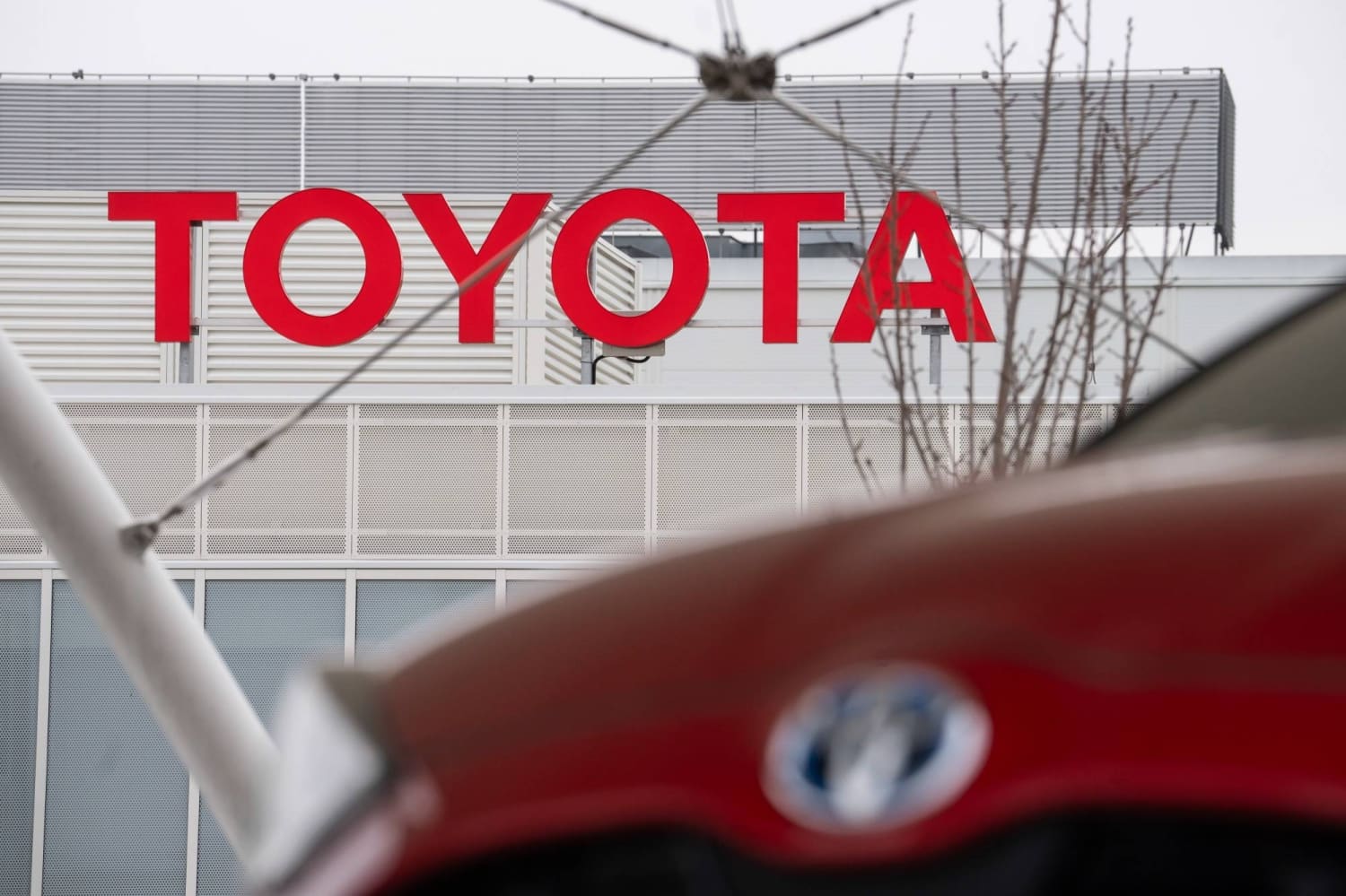
Japan's largest automaker saw global sales slip 1.1% in June to 926,688 units, marking the longest losing streak in recent quarters
KEY TAKEAWAYS
- ·Toyota Motor's global sales, including Daihatsu, fell 1.1% year-on-year to 926,688 units in June, the fifth consecutive monthly decline.
- ·Geopolitical instability in Iran and intensifying competition from domestic EV makers in China are the primary drivers of the sustained downturn.
- ·The automaker plans to accelerate battery-electric vehicle launches in China and Europe during the second half of 2026 to reverse the slide.
Sustained Pressure on Global Volumes
Toyota Motor recorded its fifth consecutive month of declining global sales in June, with volumes including subsidiary Daihatsu Motor dropping 1.1% year-on-year to 926,688 units, the company announced Thursday. The streak marks the longest sustained pullback for the Japanese automaker since the semiconductor shortage eased in late 2023, underscoring how quickly external shocks can reshape even the most resilient manufacturing operations in Asia.
The June figure reflects mounting headwinds in two critical geographies. Iran, where Toyota has historically maintained a strong presence through local assembly partners, has seen distribution networks disrupted by escalating political instability and tightening international sanctions. Meanwhile, China's automotive market continues to cool as domestic EV makers capture share and consumer confidence remains fragile amid uneven post-pandemic recovery.
Iran and China: Twin Headwinds
Geopolitical turbulence in Iran has complicated Toyota's ability to serve a market that once absorbed tens of thousands of units annually. While the company has not disclosed country-level breakdowns, industry observers note that renewed U.S. sanctions and regional unrest have effectively frozen many cross-border supply chains, leaving local dealerships with dwindling inventory and uncertain timelines for restocking.
In China, the world's largest auto market, Toyota faces intensifying competition from homegrown brands such as BYD, Geely, and NIO, all of which have aggressively priced electric and plug-in hybrid models. Chinese buyers, increasingly cost-conscious and drawn to advanced digital cockpits, have shifted preference toward domestic nameplates. June's decline suggests Toyota's hybrid-heavy lineup, while fuel-efficient, has yet to fully resonate with younger urban buyers prioritizing software and connectivity.
Regional Context and Production Strategy
The sales dip arrives as Asian automakers navigate a period of structural transition. South Korean rivals Hyundai and Kia have pivoted toward dedicated EV platforms, while Japanese peers Nissan and Honda grapple with similar volume pressures in China. Toyota's strategy has centered on hybrid technology and incremental electrification, a bet that has paid dividends in North America and Southeast Asia but faces scrutiny in markets racing toward full battery-electric adoption.
Daihatsu, Toyota's compact-car subsidiary, contributes a meaningful share of the combined total, particularly in Indonesia and Malaysia. Any softness in those ASEAN markets, whether from currency volatility or import-duty changes, flows directly into the consolidated figure. June's result suggests that even resilient Southeast Asian demand could not offset the drag from Iran and China.
What Comes Next
Toyota has signaled it will ramp up battery-electric vehicle production in the second half of 2026, with new models slated for launch in China and Europe. The company is also exploring deeper localization of supply chains to insulate itself from sanctions risk and tariff shifts. Whether these moves can arrest the five-month slide will depend on how quickly new products reach showrooms and whether macroeconomic conditions in key markets stabilize.
For now, the sequential declines underscore a broader truth: scale and brand heritage offer no immunity when geopolitical friction and technological disruption collide. Toyota's ability to adapt its product mix and distribution footprint in real time will determine whether the current streak extends into the third quarter or marks a temporary trough before recovery.
RELATED STORIES
China Imposes Anti-Dumping Measures on Japanese Semiconductor Chemical Imports
Jun-ho Seo · 3 min

Mitsubishi Motors Brings Back Pajero SUV With Thailand Launch
Cheng Wei-Lun · 3 min

Berkshire Hathaway Eyes Larger Stakes in Japan's Top Trading Houses
Cheng Wei-Lun · 3 min
Malaysia's Rare Earth Deposits Draw Foreign Interest Ahead of China Export Controls
Priyanka V. Rao · 3 min
Spot something wrong? Email editor@briefasia.com. We log every correction publicly.