Real Estate · Offices
Tokyo Office Rents Reach Highest Level in 31 Years
Strong corporate demand and strategic landlord behavior drive central business district pricing to fresh peaks unseen since the early 1990s
KEY TAKEAWAYS
- ·Tokyo central business district office rents climbed to their highest level in 31 years during July, driven by strong corporate demand for relocation and expansion space.
- ·Some landlords are holding completed properties off the market, betting that rental rates will continue rising enough to justify delayed leasing despite carrying costs.
- ·Vacancy rates in central Tokyo fell below two percent for the first time since the pandemic, giving property owners significant pricing power over tenants.
Market Fundamentals Shift in Landlords' Favor
Tokyo's commercial office market has entered a landlord-friendly phase not seen since the asset bubble era. Average asking rents for office space in the city's central business districts reached their highest point in 31 years during July, driven by sustained corporate appetite for relocation and expansion.
The pricing environment reflects a fundamental imbalance between supply and demand. Companies seeking quality space in core Tokyo districts now face a market where property owners hold pricing power, a reversal from the pandemic period when vacancies surged and concessions became standard.
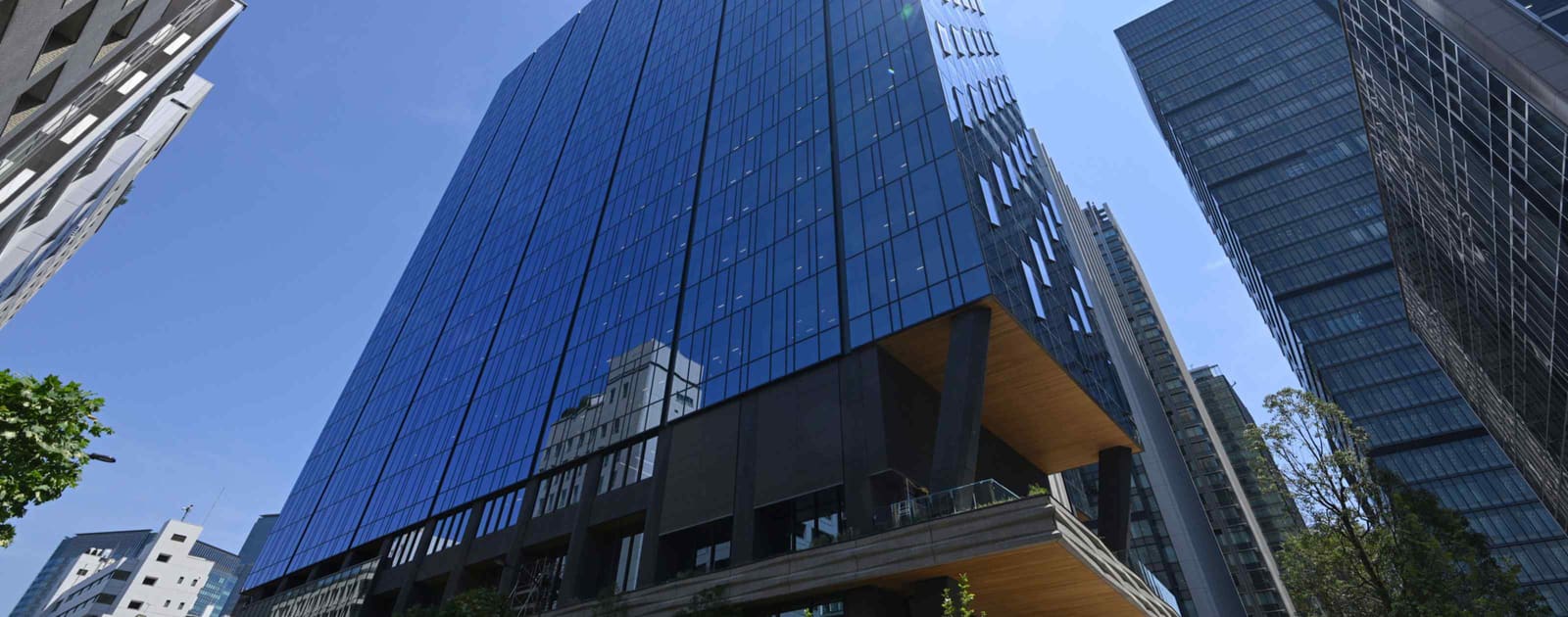
Mitsubishi Estate's Otemachi Gate Building illustrates the intensity of tenant competition. The property achieved near-full occupancy roughly twelve months before construction finished, according to project leadership. That pre-leasing velocity signals corporations are willing to commit early and pay premium rates to secure space in trophy assets.
Inventory Strategy Emerges Among Developers
Some landlords have adopted a wait-and-see approach with newly completed properties, choosing to keep space off the market rather than accept current pricing. This inventory management tactic reflects confidence that rental rates will continue climbing, making delayed leasing financially rational despite carrying costs.
The strategy works only when market fundamentals support sustained upward pressure on rents. Tokyo's office market currently meets that test. Vacancy rates in central districts have fallen below two percent for the first time since before the pandemic, according to recent market data, creating an environment where landlords can afford patience.
This behavior differs sharply from typical development cycles, where project financing and return targets usually compel owners to lease space quickly after completion. The willingness to hold inventory suggests developers expect the current rental trajectory to persist rather than plateau.
Corporate Demand Remains Robust
The rental surge stems primarily from genuine occupier demand rather than speculative activity. Companies across sectors are pursuing office upgrades and expansions, particularly in prime central locations that offer prestige addresses and access to talent pools.
Financial services firms, technology companies, and professional services practices have driven much of the leasing activity. These sectors weathered pandemic disruptions relatively well and are now investing in physical workspace as part of broader talent retention and corporate culture strategies.
The demand pattern also reflects Tokyo's position within regional corporate real estate strategies. As firms consolidate Asia-Pacific operations or expand Japan footprints, they concentrate activity in Tokyo's established business districts rather than dispersing to secondary markets or suburban nodes.
Historical Context and Pricing Trajectory
The 31-year milestone carries particular significance. Office rents last reached comparable levels during Japan's asset price bubble of the late 1980s and early 1990s, before the subsequent crash that defined decades of deflationary pressure. That the market has now recovered to those nominal levels underscores how dramatically conditions have shifted.
Unlike the bubble era, current pricing appears grounded in occupier fundamentals rather than speculative excess. Vacancy compression and steady absorption suggest the rental increases reflect genuine space shortages rather than irrational exuberance.
The trajectory also diverges from broader Tokyo real estate trends. Residential condominium prices in the metropolitan area recently surpassed 100 million yen for the first time during the January-June period, but that market shows signs of plateauing as investment demand softens. The office sector, by contrast, continues tightening.
Regional Implications for Asia Markets
Tokyo's office rental strength offers a counterpoint to mixed signals elsewhere in Asia's commercial property markets. While some gateway cities still grapple with post-pandemic oversupply or hybrid work impacts, Tokyo demonstrates that core markets with constrained supply can return to landlord-favorable conditions relatively quickly.
The pricing power shift may influence development pipelines across the region. Developers in other Asian capitals will watch whether Tokyo's experience validates aggressive rental underwriting or proves market-specific. If strong occupier demand can support premium pricing even as hybrid work persists, it reshapes return assumptions for office projects throughout the region.
For corporations planning Asia-Pacific real estate strategies, Tokyo's rental trajectory signals that cost optimization in gateway cities may require different tactics than during the pandemic. The era of tenant-friendly concessions and flexible terms appears to be closing in markets where supply remains tight and corporate activity rebounds.
RELATED STORIES
Apartment Hotels Draw Capital as Investors Bet on Japan Tourism Growth
Aiko Nakamura · 4 min
Tesla Expands Japan Delivery Network to Meet Rising EV Demand
Aiko Nakamura · 3 min
Japanese Companies Push for Currency Stability as Weak Yen Squeezes Margins
Aiko Nakamura · 3 min
Bank of Japan Signals Willingness to Accelerate Rate Hikes Amid Rising Inflation Concerns
Aiko Nakamura · 3 min
Spot something wrong? Email editor@briefasia.com. We log every correction publicly.