Real Estate · Hotels
Apartment Hotels Draw Capital as Investors Bet on Japan Tourism Growth
A new breed of extended-stay properties is attracting real estate money in Tokyo, blending hospitality returns with residential inflation hedges.
KEY TAKEAWAYS
- ·Apartment hotels in Japan are attracting institutional capital by combining hotel revenue with residential inflation protection, smoothing cash flow across market cycles.
- ·Japan welcomed 3.1 million inbound visitors in June as tourism rebounds, tightening hotel supply in Tokyo and spurring investment in hybrid extended-stay properties.
- ·Operators are scaling rapidly in Tokyo, Osaka, and Kyoto, with differentiated offerings targeting families, digital nomads, and corporate clients to capture diverse demand.
A Hybrid Asset Class Gains Traction
Apartment hotels are emerging as a favored investment vehicle in Japan's commercial real estate market, pulling capital from funds that see dual upside in tourism demand and inflation protection. These properties, which offer hotel-style services alongside apartment amenities and longer booking windows, occupy a strategic middle ground between traditional hospitality and residential assets.
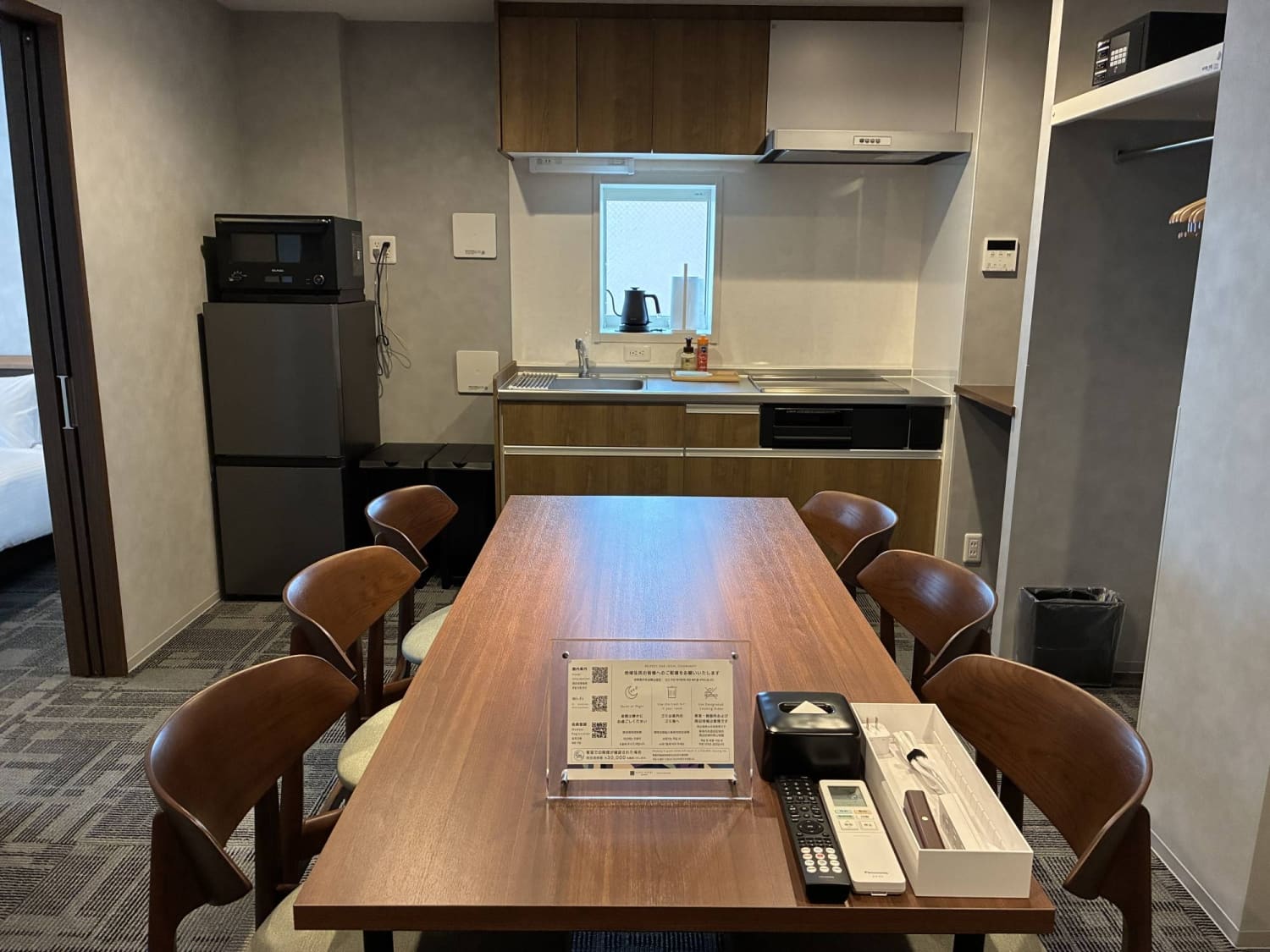
The Koko Hotel Residence Tokyo Oshiage opened in July in Sumida Ward, marking another entry in a segment that has expanded rapidly since border restrictions lifted. The property typifies the format: guests can book by the night like a hotel or settle in for weeks, accessing kitchenettes, laundry facilities, and flexible check-in while benefiting from concierge services and housekeeping on request.
Investors are drawn to the model's revenue stability. Unlike conventional hotels, which face sharp occupancy swings during low seasons, apartment hotels capture both short-term leisure travelers and extended-stay business guests, smoothing cash flow across quarters. That predictability matters as institutional allocators seek yield without the volatility that plagued Tokyo's hotel sector during the pandemic.
Tourism Rebound Meets Inflation Concerns
Japan welcomed 3.1 million inbound visitors in June, according to the Japan National Tourism Organization, approaching pre-pandemic monthly peaks. That surge has tightened hotel supply in gateway cities, pushing average daily rates higher and spurring developers to add rooms. Apartment hotels slot into the gap, offering lower per-night rates than luxury properties while commanding premiums over budget chains through added space and amenities.
At the same time, inflation has returned to Japan after decades of stagnation. Consumer prices rose 2.8 percent year-on-year in June, the Bank of Japan reported, sustaining pressure on fixed-income returns. Real estate investors view apartment hotels as a partial hedge: the residential component allows rent adjustments that track living costs, while the hospitality side captures pricing power when demand is strong.
Tokyo has seen the most activity, with projects clustering near transit hubs in Sumida, Taito, and Minato wards. Osaka and Kyoto are also drawing interest, particularly in neighborhoods within walking distance of cultural sites where international visitors concentrate. Developers report pre-lease interest from corporate clients seeking housing for rotating staff, a revenue stream that further stabilizes occupancy.
Operational Flexibility and Regulatory Tailwinds
The apartment hotel format benefits from looser zoning restrictions than pure hospitality projects. Many properties can secure residential building permits, which streamline approvals and reduce construction costs compared to hotels that must meet stricter fire and accessibility codes. Once operational, owners can pivot between short-term and long-term tenants depending on market conditions, a flexibility that appeals to fund managers wary of single-use exposure.
Regulatory changes have also helped. Japan relaxed minpaku vacation rental rules in 2018, and subsequent clarifications have made it easier for licensed operators to offer stays shorter than thirty days without running afoul of hotel licensing requirements. Apartment hotels operating under hotel licenses gain even more latitude, blending nightly bookings with monthly leases under one roof.
Financing has followed the capital. Regional banks and life insurers, traditional lenders to Japan's real estate sector, are extending debt to apartment hotel projects at loan-to-value ratios comparable to multifamily residential, often more favorable than hotel-only deals. That access to leverage amplifies equity returns and has accelerated development pipelines.
Market Expansion and Competitive Dynamics
Several operators are scaling quickly. Domestic hospitality groups that previously focused on business hotels are launching apartment hotel brands, while residential REITs are adding properties to diversify income sources. International investors, particularly from Singapore and Hong Kong, have entered joint ventures with Japanese developers to capture the growth.
Competition is intensifying in prime districts. Sumida Ward alone has seen four apartment hotel openings since April, and supply is expected to grow as projects under construction come online through next year. That pipeline raises questions about absorption, especially if inbound travel softens or if a broader economic slowdown crimps corporate lodging budgets.
Operators are differentiating through design and target segments. Some properties emphasize family-friendly layouts with connecting rooms and play areas, aiming for the multi-generational travel market. Others cater to digital nomads, offering coworking lounges and high-speed connectivity packages. A few are experimenting with longer minimum stays, effectively functioning as serviced apartments with hotel branding.
What Comes Next
The apartment hotel thesis rests on sustained tourism growth and persistent inflation, two assumptions that could shift. If the yen strengthens significantly, Japan's cost advantage for international travelers would erode, potentially dampening occupancy. Conversely, if inflation moderates faster than expected, the residential hedge loses appeal, leaving pure hospitality returns to justify valuations.
For now, investor appetite remains strong. Asset managers report robust fundraising for Japan real estate strategies that include apartment hotels, and debt markets continue to price the sector favorably. The format's ability to adapt, capturing both the upside of travel recovery and the downside protection of residential income, has made it a rare consensus bet in a commercial real estate landscape still recalibrating after pandemic disruptions.
Whether the model sustains its momentum will depend on execution. Properties that deliver genuine hybrid value, seamlessly serving both transient guests and longer-term residents, will likely command premiums. Those that simply rebrand budget hotels with kitchenettes may struggle as competition increases and guests grow more discerning. The next twelve months will test which operators have built businesses that justify the capital flooding in.
RELATED STORIES

Japanese Food Exports to Malaysia Jump 42% as Halal Demand Opens New Markets
Priyanka V. Rao · 3 min
Asian Tech Stocks Surge as Weak US Jobs Data Dims Rate Hike Outlook
Cheng Wei-Lun · 4 min

Japan Embeds Cyber Defense in Air Force Systems as AI Threats Grow
Aiko Nakamura · 4 min
Japan Logs First Current Account Deficit in 17 Months as Dividends Flow Abroad
Aiko Nakamura · 3 min
Spot something wrong? Email editor@briefasia.com. We log every correction publicly.