Travel & Dining · Dining
Japanese Food Exports to Malaysia Jump 42% as Halal Demand Opens New Markets
Malaysia has climbed to 10th among Japan's food export destinations, driven by halal certification infrastructure and growing appetite for Japanese cuisine across Southeast Asia.
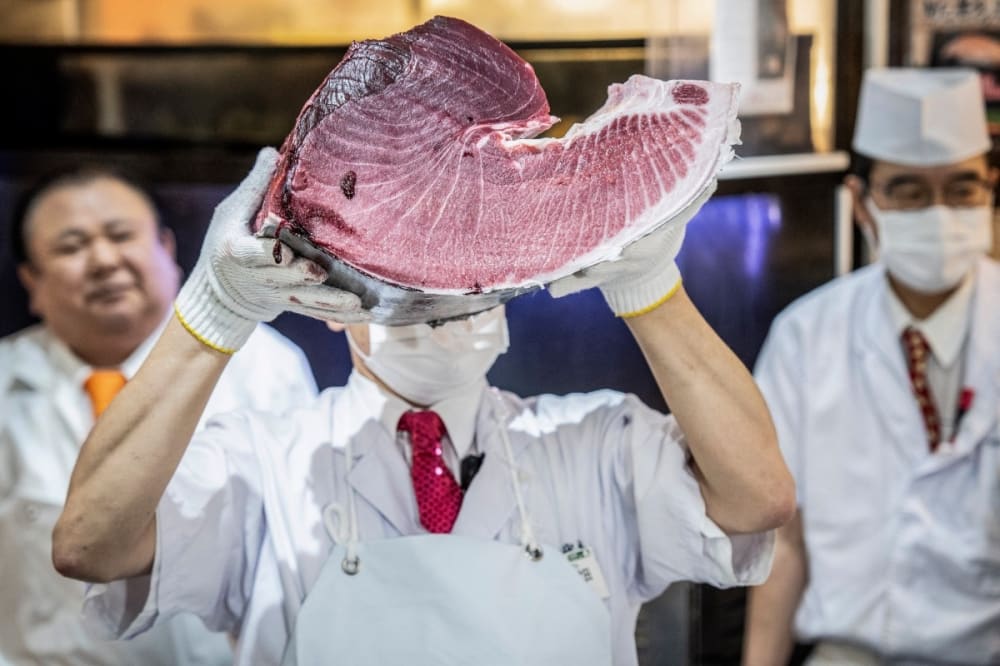
KEY TAKEAWAYS
- ·Japanese food exports to Malaysia reached RM390 million in the first five months of 2026, a 42.3 per cent increase year-on-year, lifting Malaysia to 10th among Japan's food export destinations.
- ·Malaysia's halal certification systems and logistics infrastructure position the country as a launch pad for Japanese food companies targeting Muslim-majority markets across Asia and the Middle East.
- ·Rising costs for fertilizer, energy, and logistics continue to pressure Japanese producers despite a weaker yen, while extreme weather events pose additional risks to agricultural exports.
Malaysia Climbs Japan's Export Rankings
Malaysia has emerged as a critical Southeast Asian market for Japanese food producers, with exports climbing 42.3 per cent in the first five months of 2026 to reach 15 billion yen (RM390 million), according to Japan's Ministry of Agriculture, Forestry and Fisheries. The country now ranks 10th among all Japanese food export destinations, up from 13th place previously.
Agricultural products accounted for roughly 70 per cent of total exports during the January-May period, while seafood made up 29 per cent. The gains build on momentum from 2025, when full-year exports reached 29.1 billion yen (RM756.6 million), marking a 26.3 per cent increase over 2024.
Koichi Takano, managing director of the Japan External Trade Organisation in Kuala Lumpur, attributes the growth to several converging factors. Rising demand for Japanese cuisine, greater awareness of Washoku (traditional Japanese culinary culture recognized by UNESCO in 2013), expanding e-commerce channels, and increased Malaysian travel to Japan have all contributed to stronger appetite for Japanese food products.
Halal Infrastructure as Competitive Advantage
Beyond consumer demand, Malaysia's halal certification systems and logistics infrastructure are drawing Japanese food companies looking to access Muslim-majority markets across Asia and the Middle East. Malaysia operates as a multiracial, multicultural market accustomed to diverse culinary traditions, with English widely spoken and an established network of international hotels, food manufacturers, and educational institutions.
For Japanese businesses, the halal ecosystem offers more than regulatory compliance. It provides a commercial platform for scaling products into other ASEAN countries and Muslim-majority regions where halal certification carries weight with consumers and retailers.
Takano views Malaysia not simply as an end market but as a potential launch pad. He points to the country's food processing capabilities, distribution networks, and human resource development as elements that could support a broader regional strategy for Japanese food exports.
Japan's overall food export sector recorded 897.7 billion yen (RM23.2 billion) in the first half of 2026, up 10.9 per cent year-on-year and a record for the period, according to data cited by Kyodo News. Green tea exports posted notable gains, propelled by the global matcha boom and rising inbound tourism to Japan.
Authenticity and Intellectual Property Concerns
As Japanese cuisine gains popularity outside Japan, questions of product authenticity and intellectual property protection become more pressing. Takano emphasized that producers and companies should register intellectual property rights in export markets, establish authorized distribution channels, and improve traceability throughout supply chains.
Rather than relying exclusively on imported Japanese ingredients, he suggested businesses could combine Japanese culinary techniques with fresh Malaysian ingredients. This approach could create a more sustainable and commercially viable model while supporting local producers.
The Japan External Trade Organisation is investing in long-term demand cultivation through its Japanese Cuisine Lecture Series, delivered in partnership with Taylor's University. The program targets aspiring chefs entering Malaysia's hotel and restaurant industry, aiming to build familiarity with Japanese ingredients and cooking methods among the next generation of culinary professionals.
Takano described the initiative as a strategic investment in future demand, and indicated that Jetro could explore similar partnerships with other universities and culinary institutions across Malaysia.
Cost Pressures Persist Despite Yen Weakness
While the weaker yen has made Japanese products more competitive in some markets, Takano noted that currency effects do not automatically translate into lower prices for Malaysian consumers. Japanese producers continue to face elevated costs for fertilizer, animal feed, energy, packaging, imported raw materials, and logistics.
Extreme weather events, including El Niño conditions, pose additional risks to Japanese agriculture and food exports, though the impact varies by crop, location, and growing season. Takano pointed to diversified sourcing regions, improved farming practices, investment in freezing and processing technologies, and effective inventory management as measures that can mitigate such risks.
The combination of consumer demand, halal infrastructure, and Malaysia's role as a regional hub suggests Japanese food companies will continue expanding their presence in the country. Takano expects more Japanese food service businesses and operations to establish themselves in Malaysia in the coming years, leveraging the market's strengths to reach a broader base of consumers across Asia.
RELATED STORIES
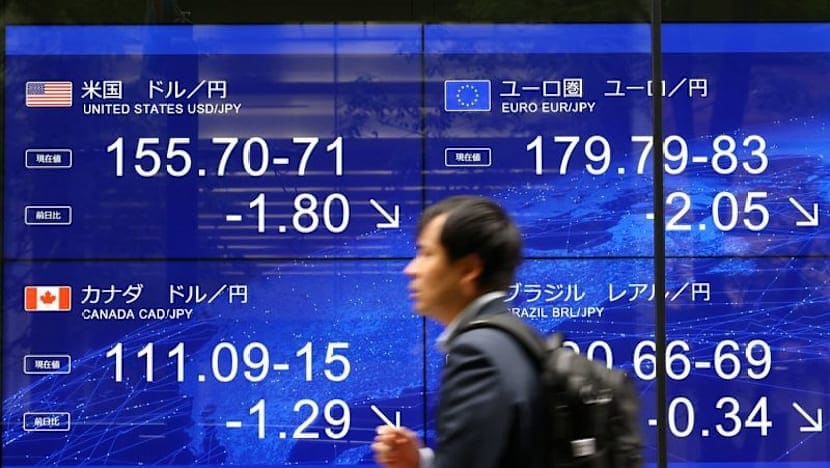
Japanese Companies Push for Currency Stability as Weak Yen Squeezes Margins
Aiko Nakamura · 3 min

US and Japan Stage First Joint Yen Intervention in 28 Years
Cheng Wei-Lun · 3 min

Japan Prepares Alternative Career Track to Boost UN Representation
Aiko Nakamura · 3 min
Yen Slides Back Toward 160 as Joint Intervention Fades
Cheng Wei-Lun · 3 min
Spot something wrong? Email editor@briefasia.com. We log every correction publicly.