Technology · Policy
Japan Embeds Cyber Defense in Air Force Systems as AI Threats Grow
Ministry of Defense will install cybersecurity software into radars and fighter jets by 2027 to counter sophisticated attacks on AI-enabled equipment
KEY TAKEAWAYS
- ·Japan's Ministry of Defense will embed cybersecurity software into Air Self-Defense Force radars and fighter jets starting in 2027 to protect against sophisticated digital attacks.
- ·The initiative targets AI-enabled systems that process sensor data and flight controls, which introduce new vulnerabilities that traditional network security cannot address.
- ·The rollout is part of a broader modernization effort following a 2025 malware incident and aligns with Japan's next-generation fighter program expected in the late 2020s.
Hardening Military Infrastructure
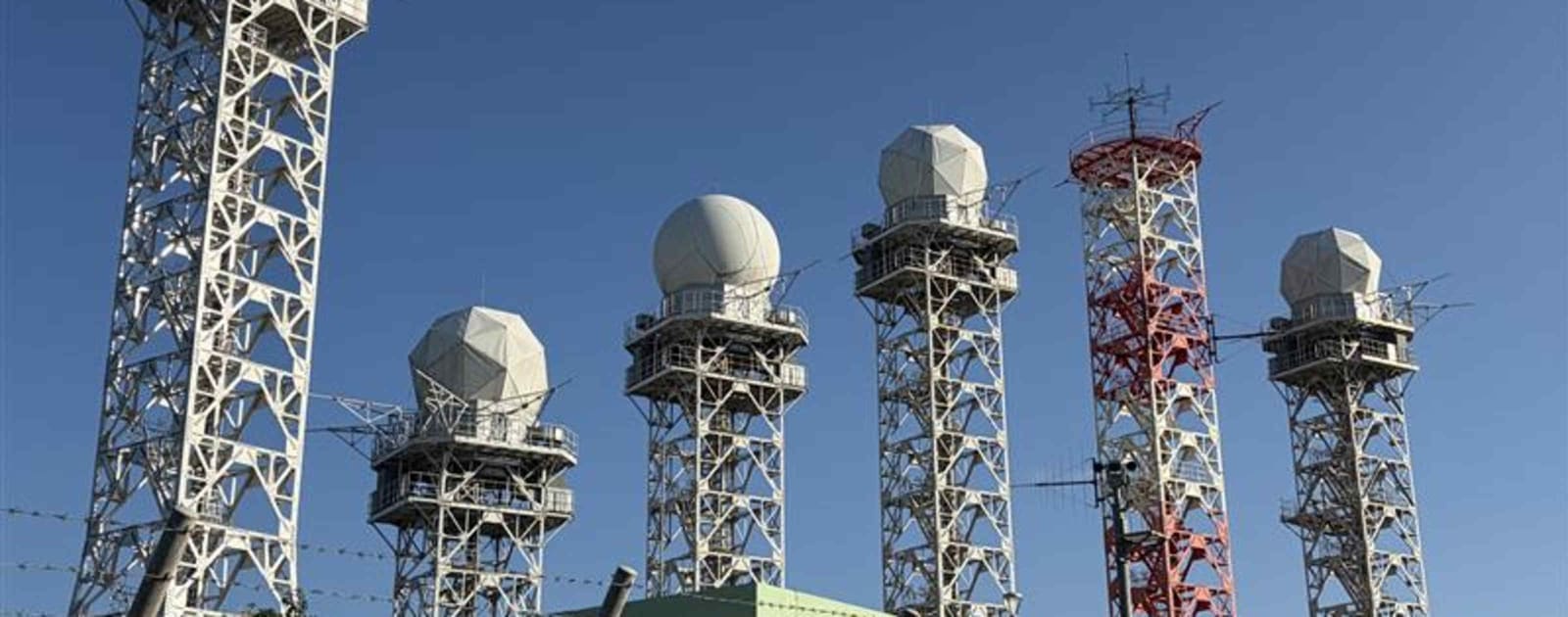
Japan's Ministry of Defense will embed cybersecurity software directly into Air Self-Defense Force equipment starting in 2027, according to ministry plans. The initiative targets radars, fighter jets, and other air-defense systems as military hardware becomes more vulnerable to digital intrusion.
The move reflects a broader shift in defense strategy across Asia, where governments are racing to secure AI-enabled weapons systems before adversaries exploit vulnerabilities. Japan's approach integrates protection at the hardware level rather than relying solely on perimeter defenses, a recognition that traditional network security cannot safeguard systems operating in contested electromagnetic environments.
The Ministry of Defense has identified air-defense infrastructure as particularly exposed. Radar installations across Japan, including those stationed in Okinawa and along the country's northern approaches, process vast streams of sensor data and increasingly rely on machine-learning algorithms to distinguish threats from commercial air traffic. These AI components introduce new attack surfaces that conventional cybersecurity tools struggle to monitor.
Timing and Scope
The 2027 rollout will prioritize front-line systems first. Fighter aircraft scheduled for upgrades will receive embedded security modules designed to detect anomalous behavior in flight-control software and weapons-targeting systems. Ground-based radars will get similar protections, with software monitoring data flows for signs of tampering or unauthorized access.
Japan's defense planners are working with domestic contractors to develop the security architecture. The ministry has not disclosed budget figures, but the project is part of a multi-year modernization effort that includes zero-trust network policies and stricter controls on removable media following a 2025 incident in which malware entered a defense facility via infected USB drives.
The timeline aligns with Japan's next-generation fighter program, which is expected to field prototypes in the late 2020s. Those aircraft will feature sensor-fusion capabilities and networked battle-management systems, both of which depend on secure data links to function as intended.
Regional Context
Japan's decision comes as cyberattacks on critical infrastructure accelerate across the Indo-Pacific. In recent years, state-sponsored actors have probed energy grids, telecommunications networks, and defense systems throughout the region. Military planners in Tokyo view cyber defense not as an IT problem but as a core operational requirement, on par with air superiority or missile defense.
The ministry is also exploring partnerships with allied nations to share threat intelligence and coordinate responses to cross-border intrusions. Japan has participated in cyber exercises with the United States and Australia, and officials have signaled interest in expanding those collaborations to include real-time data sharing during crises.
At the same time, Japan faces a shortage of cybersecurity professionals trained in both defense operations and software engineering. The ministry has increased funding for training programs and is considering incentives to attract talent from the private sector, where salaries for skilled practitioners often exceed government pay scales.
Technical Challenges
Embedding security software into legacy hardware presents engineering hurdles. Many of Japan's existing radar systems were designed decades ago, before cyber threats became a priority, and retrofitting them requires custom solutions that do not degrade performance. The ministry is testing lightweight intrusion-detection agents that can run on older processors without consuming excessive bandwidth or computing resources.
For newer platforms, the approach is to build security into the design from the outset. This "security-by-design" philosophy means that every sensor, processor, and data link includes monitoring capabilities and fail-safe mechanisms to isolate compromised components before an attack can spread.
The ministry is also addressing supply-chain risks. Components sourced from foreign manufacturers undergo rigorous testing to ensure they do not contain hidden backdoors or malicious code. Japan has tightened procurement rules in recent years, requiring contractors to disclose the origin of all critical parts and to provide access to source code for inspection.
What Comes Next
The 2027 milestone is an initial step. Japan's defense establishment expects cyber threats to evolve faster than defensive measures, forcing continuous updates to both software and tactics. The ministry is establishing dedicated cyber units within the Air Self-Defense Force, staffed by personnel trained to respond to intrusions in real time and to conduct forensic analysis after incidents.
Budget requests for the next fiscal year include funding for advanced threat-detection tools and for expanding the ministry's cyber research facilities. Officials have emphasized that Japan cannot afford to treat cybersecurity as a one-time upgrade but must instead build a culture of vigilance and adaptation across all branches of the Self-Defense Forces.
As AI becomes more deeply embedded in military systems, the distinction between kinetic and digital warfare continues to blur. Japan's effort to harden its air defenses against cyber intrusion is both a technical challenge and a strategic imperative, one that will shape the country's defense posture for years to come.
RELATED STORIES

Tesla Expands Japan Delivery Network to Meet Rising EV Demand
Aiko Nakamura · 3 min
Rashi Peripherals and Restar Form Joint Venture to Expand Semiconductor Services in India
Priyanka V. Rao · 2 min
Taiyo Yuden Lifts Full-Year Forecast as AI Server Demand Boosts Capacitor Sales
Cheng Wei-Lun · 3 min

Ajinomoto Lifts Forecast as AI Server Demand Drives Semiconductor Material Sales
Cheng Wei-Lun · 3 min
Spot something wrong? Email editor@briefasia.com. We log every correction publicly.