Travel & Dining · Trends
Thai Carriers Face Profit Squeeze as Jet Fuel Prices Triple
Thai AirAsia swings to $57 million operating loss while Bangkok Airways sees profit drop 39% as fuel now consumes half of total expenses
KEY TAKEAWAYS
- ·Thai AirAsia recorded a 2.09 billion baht operating loss in Q2 2026 as jet fuel costs surged 43% year-on-year to 5 billion baht, now representing half of all operating expenses.
- ·Bangkok Airways operating profit fell 39.3% to 543 million baht despite cutting flights by 4.3%, as a 49% spike in fuel costs drove total operating expenses up 11.7%.
- ·Both carriers implemented strict capacity controls and non-fuel cost cuts, with Thai AirAsia slashing administrative expenses 17% and deferring fleet expansion until fuel prices stabilize in the second half.
The Fuel Shock Hits Home
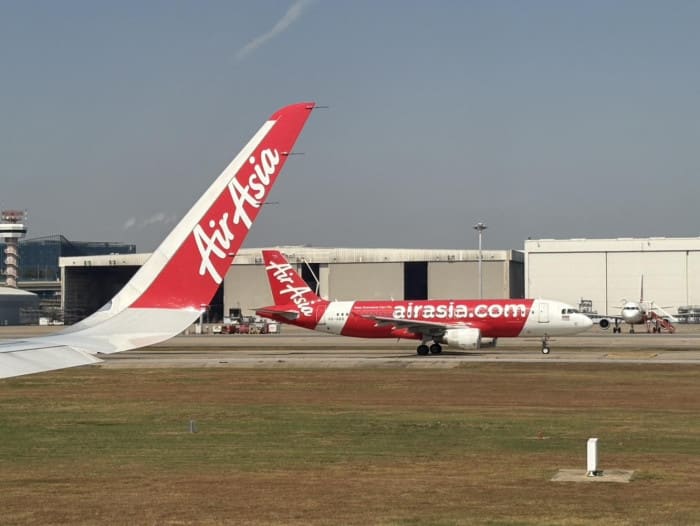
Two of Thailand's major carriers posted sharply weaker results for the second quarter of 2026, underscoring how quickly energy price volatility can erode airline margins across Southeast Asia. Thai AirAsia recorded a core operating loss of 2.09 billion baht ($57 million) for the April-June period, while Bangkok Airways saw operating profit collapse by nearly 40% year-on-year, both driven primarily by jet fuel expenses that now represent the single largest cost line on carrier balance sheets.
SET-listed Asia Aviation, the operator of Thai AirAsia, reported that fuel costs climbed 43% compared to the same quarter in 2025, reaching 5 billion baht and accounting for half of all operating expenses. The carrier's net loss for the quarter stood at 2.3 billion baht. Jet fuel spot prices spiked to $183 per barrel during the period, a 124% increase that reflected supply disruptions stemming from Middle East conflict and tightening global refining capacity.
The damage was widespread. Bangkok Airways, which operates a smaller premium network, registered a 49% jump in fuel expenses during the same window. That translated to an 11.7% rise in total operating costs, to 5.53 billion baht, even as the airline trimmed flight frequency by 4.3% to 11,004 departures. Operating profit fell to 543 million baht, down 39.3% year-on-year, while net income dropped 18% to 333 million baht.
Revenue Growth Fails to Offset Cost Surge
Thai AirAsia did manage to grow topline revenue by 2% year-on-year, reaching 11.9 billion baht, driven largely by ticket sales that rose 6% to 8.57 billion baht. Average fares increased 27% to 2,127 baht per seat as the carrier pulled back capacity by 13%, reducing available seats to 5.14 million. The strategy reflects a broader shift among low-cost carriers in the region, which have moved away from pre-pandemic volume strategies in favor of yield management and higher load factors.
Yet revenue gains proved insufficient. Total operating expenses for Thai AirAsia surged 11% to 11.9 billion baht, wiping out any margin improvement. The airline operated 46 aircraft from its 62-jet fleet during the quarter, down from full deployment in prior periods, as it sought to preserve cash and avoid flying routes that would deepen losses at current fuel prices.
Bangkok Airways, meanwhile, posted a 5.5% increase in second-quarter revenue to 6 billion baht, according to president Puttipong Prasarttong-Osoth. For the first half of 2026, total revenue reached 24.4 billion baht, down 2% from the prior year, with a net loss of 1.48 billion baht recorded across the six-month period.
Cost Controls and Capacity Discipline
Facing an energy cost structure that shows little sign of easing in the near term, both carriers have activated aggressive non-fuel cost containment measures. Thai AirAsia reduced selling and administrative expenses by 17% to 706 million baht in the second quarter, while staff costs were slashed 12% to 1.19 billion baht. Chief executive Phirat Promphatana said the airline implemented stricter controls to mitigate the impact of geopolitical turbulence on fuel availability and pricing.
The carrier maintained the largest share of domestic routes in Thailand at 37% during the quarter, even as it shrank overall capacity. That dominance reflects its entrenched position in leisure and price-sensitive segments, where competitors have also reduced frequency. Thai AirAsia plans to maintain tight capacity control through the third quarter before adding seats in the final three months of the year to capture peak holiday demand. The airline intends to ramp up to 52 aircraft during the high season, though Phirat noted that the company aims to preserve liquidity as the global oil situation remains fluid.
Bangkok Airways has taken a similar approach, trimming frequencies on thinner routes while protecting core inter-island and regional services that command higher yields. The carrier's strategy hinges on maintaining service quality and schedule reliability for its business and premium leisure clientele, even if that means flying fewer departures overall.
Regional Implications and Outlook
The Thai experience mirrors broader pressures across Southeast Asian aviation. Carriers in Indonesia, the Philippines, and Vietnam have likewise reported margin compression as fuel costs have climbed faster than fare increases, particularly on competitive trunk routes where pricing power remains limited. The region's aviation recovery, which had been gathering momentum through late 2025, now faces a new headwind that threatens to delay profitability timelines for carriers still rebuilding post-pandemic balance sheets.
Thai AirAsia projects that fuel costs will stabilize in the second half of 2026, though that assumption depends on resolution or de-escalation of Middle East supply risks. If prices remain elevated, the carrier may be forced to further reduce capacity or raise fares, either of which could dampen demand in a price-sensitive market. The airline's ability to sustain cash flow through the remainder of the year will determine whether it can execute its planned high-season expansion or must instead defer aircraft reactivation.
Bangkok Airways, with a smaller fleet and more diversified revenue base that includes ground handling and hospitality assets, has greater flexibility to weather a prolonged fuel spike. Yet even for this carrier, sustained margin pressure could force network rationalization or fleet renewal delays.
For investors and industry observers, the second-quarter results underscore a fundamental tension in Southeast Asian aviation: carriers operate in markets with strong latent demand and favorable demographic trends, yet remain acutely vulnerable to external cost shocks over which they have no control. Until fuel hedging becomes more widely adopted or alternative propulsion technologies mature, the region's airlines will continue to experience sharp earnings swings tied to energy market volatility.
RELATED STORIES
AirAsia Group Reports RM527 Million Loss as Fuel Shock Forces Fleet Cuts
Priyanka V. Rao · 4 min
AirAsia Group Posts RM527 Million Second-Quarter Loss on Soaring Fuel Costs
Priyanka V. Rao · 3 min

Thai Airways Profit Falls 87% as Fuel Costs Double
Priyanka V. Rao · 2 min
Vietnam Airlines Slash Fares to Singapore and Bangkok as Capacity Surges
Priyanka V. Rao · 2 min
Spot something wrong? Email editor@briefasia.com. We log every correction publicly.