Travel & Dining · Trends
AirAsia Group Posts RM527 Million Second-Quarter Loss on Soaring Fuel Costs
Malaysian carrier navigates volatile energy markets and currency headwinds while trimming capacity to protect margins in the second half of 2026
KEY TAKEAWAYS
- ·AirAsia Group recorded a net loss of RM527 million in the second quarter of 2026, driven by a 66 percent surge in jet fuel prices and RM331 million in foreign exchange losses.
- ·Revenue reached RM5.09 billion despite an 11 percent capacity cut, with revenue per available seat kilometre rising 11 percent year-on-year to 21.28 sen.
- ·The carrier plans to reduce third-quarter capacity by 20 to 25 percent year-on-year before restoring flights in the fourth quarter to capture year-end holiday demand.
Loss Driven by Energy and Currency Volatility
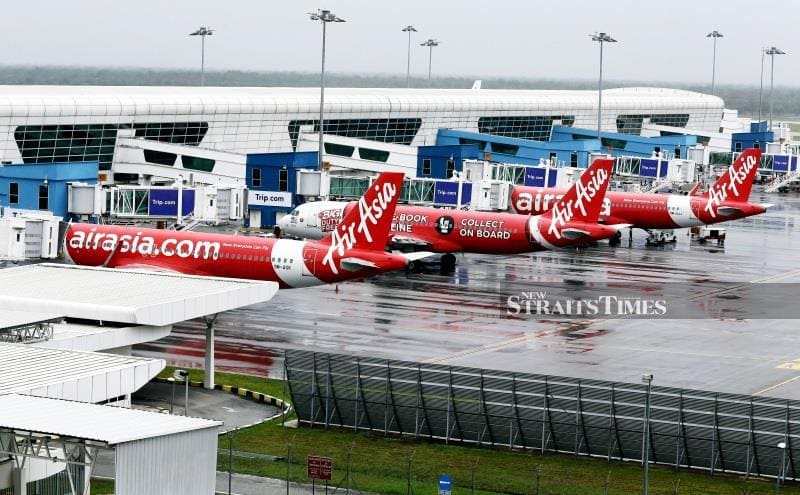
AirAsia Group recorded a net loss of RM527 million for the second quarter of financial year 2026, driven primarily by escalating fuel costs and adverse currency movements. The Malaysian low-cost carrier disclosed the results in a stock exchange filing, pointing to a 66 percent surge in average jet fuel prices compared to the previous quarter. The spike stems largely from geopolitical instability in the Middle East, which has sent global energy markets into turmoil.
Currency depreciation compounded the pain. The group recognised RM331 million in net foreign exchange losses as the ringgit, Thai baht, Indonesian rupiah and Philippine peso all weakened against the US dollar during the three-month period. Together, fuel and forex headwinds erased profitability despite operational discipline elsewhere in the business.
Revenue Holds Despite Capacity Cuts
Revenue for the quarter reached RM5.09 billion, a figure the carrier achieved even after reducing capacity by 11 percent. AirAsia said it deliberately prioritised yield management over volume, adjusting fares in real time and introducing dynamic fuel surcharges to offset rising input costs.
Revenue per available seat kilometre climbed 11 percent year-on-year to 21.28 sen, reflecting the carrier's ability to push through price increases without collapsing demand. For the first half of 2026, AirAsia posted a net profit of RM682 million on revenue of RM11 billion. The company did not provide year-on-year comparisons because its aviation operations were transferred to AirAsia X in January 2026, rendering historical figures incomparable.
Management Frames Q2 as the Floor
Chief executive Bo Lingam described the second quarter as the company's "floor quarter," representing the peak of energy market volatility. He said the carrier does not anticipate jet fuel prices will remain at the extreme average of US$183 per barrel seen during the period.
Lingam highlighted that fare growth exceeded 20 percent in May and June, while non-fuel cost per available seat kilometre fell 7 percent. He argued the company successfully transferred the majority of fuel cost increases to customers without eroding underlying travel demand. As fuel prices retreat from second-quarter highs, unit economics should improve organically, he said.
The carrier took swift action where performance lagged. Long-haul operations in Malaysia, Indonesia and the Philippines faced particular pressure, prompting the group to cut unprofitable capacity, adjust fleet size and postpone non-essential route launches, including Bahrain. Short-haul operations in Malaysia and Cambodia remained in the black, demonstrating resilience, while the Thailand business is expected to narrow losses in the third quarter and return to profitability in the fourth.
Tactical Capacity Reduction for Second Half
Looking ahead, AirAsia plans to trim capacity by 20 to 25 percent year-on-year in the third quarter, historically the weakest period for regional travel. The reduction is designed to ensure every flight meets the company's internal profitability thresholds. As year-end holiday demand builds, the carrier intends to restore capacity to pre-conflict levels in the fourth quarter, targeting high-yield travel across core ASEAN routes where advance bookings already match last year's pace.
Lingam expressed confidence in the carrier's ability to stabilise performance and protect shareholder value, citing the group's low-cost structure, flexible network model and dominant position on trunk routes. He acknowledged that uncertainties persist but said the company is well-positioned to capitalise on an eventual industry recovery.
Asia's Budget Carrier Landscape
AirAsia's second-quarter loss underscores the fragility of low-cost carriers operating in a region where fuel is priced in dollars but revenue is earned in depreciating local currencies. The carrier's experience mirrors challenges faced by peers across Southeast Asia, where geopolitical shocks can rapidly erode thin margins. The group's willingness to cut capacity and delay expansion signals a shift toward defensive positioning, prioritising cash preservation over market share in an uncertain environment.
The Malaysian carrier's ability to raise fares without triggering a demand collapse suggests price elasticity remains favourable for intra-ASEAN travel, particularly on high-frequency routes where AirAsia holds commanding market share. Whether that pricing power endures as fuel normalises and competitors respond will shape the group's trajectory through the remainder of 2026.
RELATED STORIES
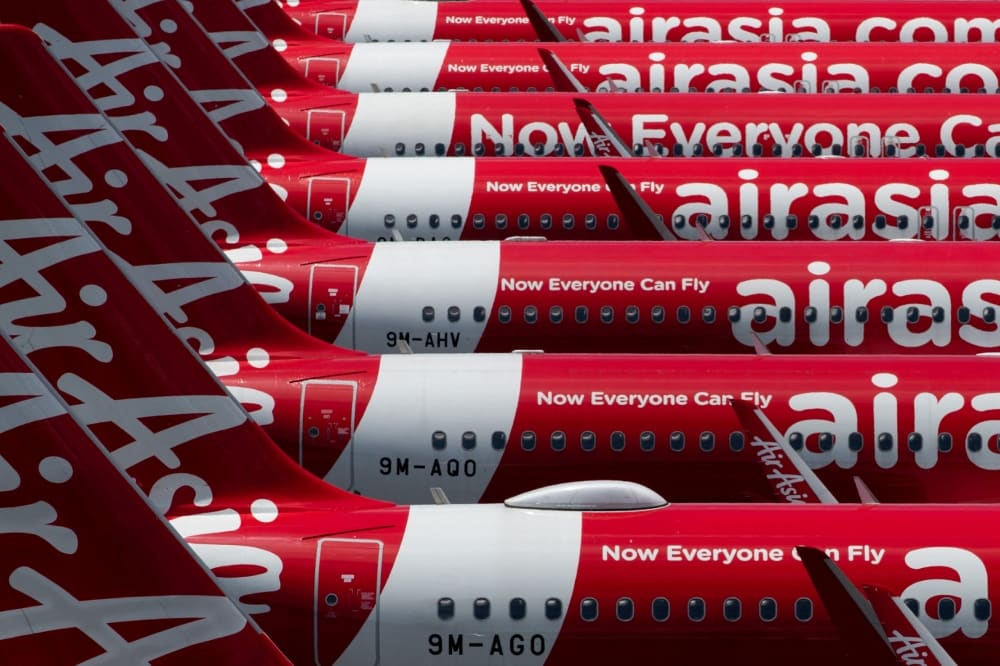
AirAsia Group Reports RM527 Million Loss as Fuel Shock Forces Fleet Cuts
Priyanka V. Rao · 4 min

AI Demand Pushes Southeast Asia Data Centre Investment Despite Power Constraints
Cheng Wei-Lun · 2 min
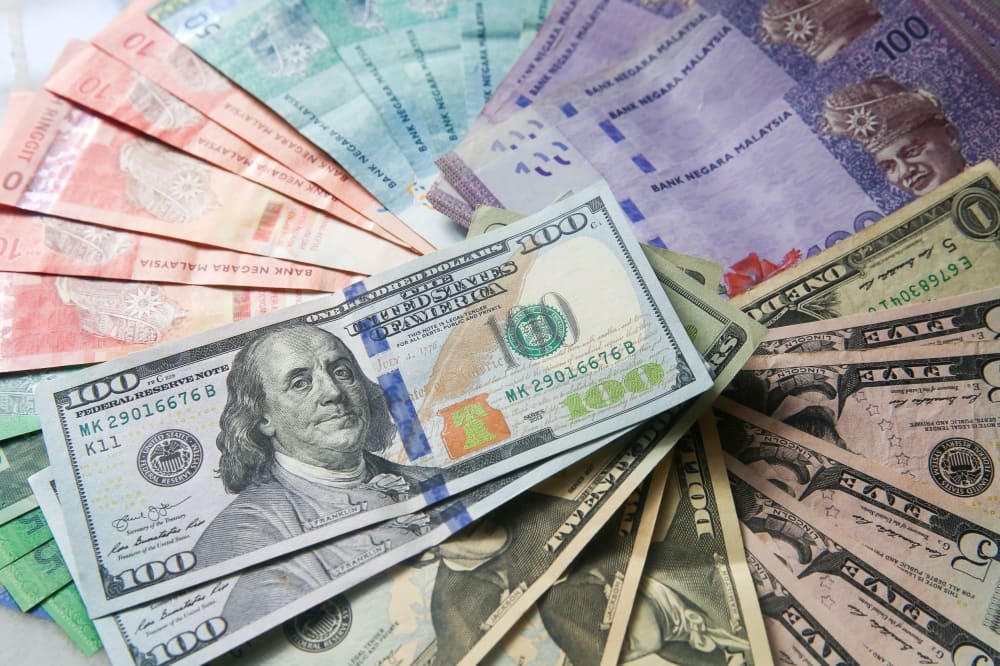
Malaysian Ringgit Strengthens Against Regional Peers as US Inflation Eases
Priyanka V. Rao · 5 min
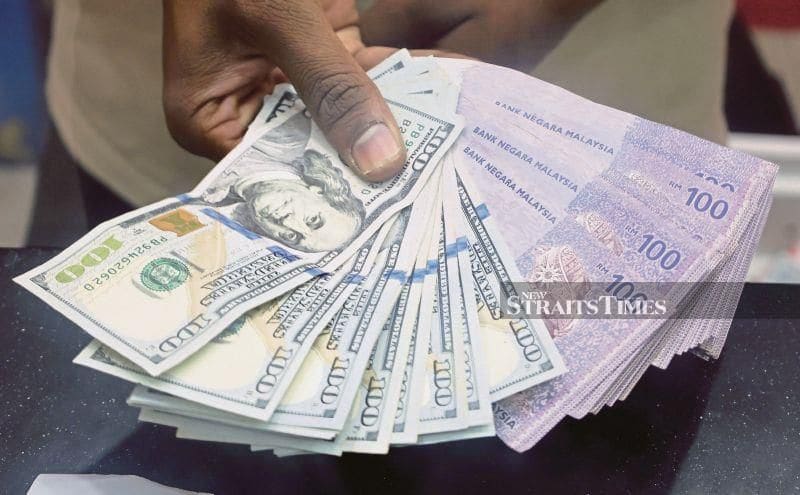
Malaysia's Ringgit Slides Against Dollar as Markets Brace for US Inflation Data
Priyanka V. Rao · 5 min
Spot something wrong? Email editor@briefasia.com. We log every correction publicly.