Finance · Deals
AI Demand Pushes Southeast Asia Data Centre Investment Despite Power Constraints
Growing compute needs from businesses and consumers drive deals across the region, even as infrastructure risks mount

KEY TAKEAWAYS
- ·Data centre deal activity tied to artificial intelligence is accelerating across Southeast Asia, driven by growing compute demand from businesses and consumers.
- ·Power supply has become the primary bottleneck, with Singapore maintaining tight approval caps and Indonesia and Thailand facing grid distribution challenges.
- ·Operators with secured power allocations hold competitive advantage, prompting investors to prioritize energy access over site location in recent transactions.
Investment Momentum Builds
Southeast Asia's data centre sector is attracting fresh capital at an accelerating pace, driven by businesses and consumers demanding more computational power for artificial intelligence workloads. Deal activity connected to AI infrastructure has climbed across the region in recent months, reflecting the technology's expanding footprint in manufacturing, finance, logistics, and consumer services.
The investment wave comes as companies race to deploy large language models, computer vision systems, and predictive analytics tools that require far more processing capacity than traditional enterprise software. Cloud providers, hyperscalers, and specialist data centre operators are responding with capacity expansions in Singapore, Jakarta, Bangkok, and Kuala Lumpur.
Power Supply Emerges as Bottleneck
Yet the buildout is running into a fundamental constraint: electricity. Data centres housing AI chips can consume several times the power of conventional server farms, and grid operators across Southeast Asia are struggling to keep pace. Singapore has effectively capped new data centre approvals since 2019, lifting the moratorium only selectively for facilities that meet strict efficiency and sustainability thresholds.
Indonesia and Thailand face different but related challenges. Both countries have ample generation capacity on paper, but distribution networks in metro areas are ageing, and permitting processes for new grid connections can stretch beyond twelve months. Malaysia has emerged as an alternative hub, offering competitive power tariffs and a more streamlined approval process, though questions remain about long-term supply reliability as the country transitions away from coal.
Regional Dynamics Shift
The interplay between surging demand and infrastructure limits is reshaping the competitive landscape. Operators with early access to power allocations or co-location agreements with utility providers hold a clear advantage. Several recent transactions have centred on acquiring not just land or buildings, but secured power capacity, which has become the scarce resource.
AirTrunk, an Australian hyperscale data centre developer, has been active in the region, securing sites in multiple Southeast Asian markets. The company's strategy hinges on locking in power commitments before breaking ground, a model that has attracted backing from institutional investors seeking exposure to AI infrastructure without taking on permitting risk.
Meanwhile, specialist firms such as Firmus are carving out niches in edge computing and lower-latency deployments, targeting enterprises that need on-premises or near-premises AI inference rather than centralised cloud processing. This segment is less power-intensive per facility but requires broader geographic distribution, adding complexity to site selection and operations.
What Comes Next
The tension between AI adoption and energy availability is unlikely to resolve quickly. Governments across Southeast Asia are weighing competing priorities: attracting high-value digital investment, meeting climate commitments, and ensuring affordable electricity for households and traditional industries. Data centre operators, for their part, are exploring on-site solar, battery storage, and even small modular reactors as potential solutions, though none of these options can be deployed at scale in the near term.
For now, the deals keep coming. Investors are betting that Southeast Asia's young, digitally native population and rapidly growing economies will sustain demand for compute capacity, even if the path to adequate power supply remains uncertain. The question is whether infrastructure can catch up before the bottleneck stalls the region's AI ambitions.
RELATED STORIES

Singapore Cloud Provider Enters Philippines Under New Telecom Law
Mariel D. Santos · 2 min
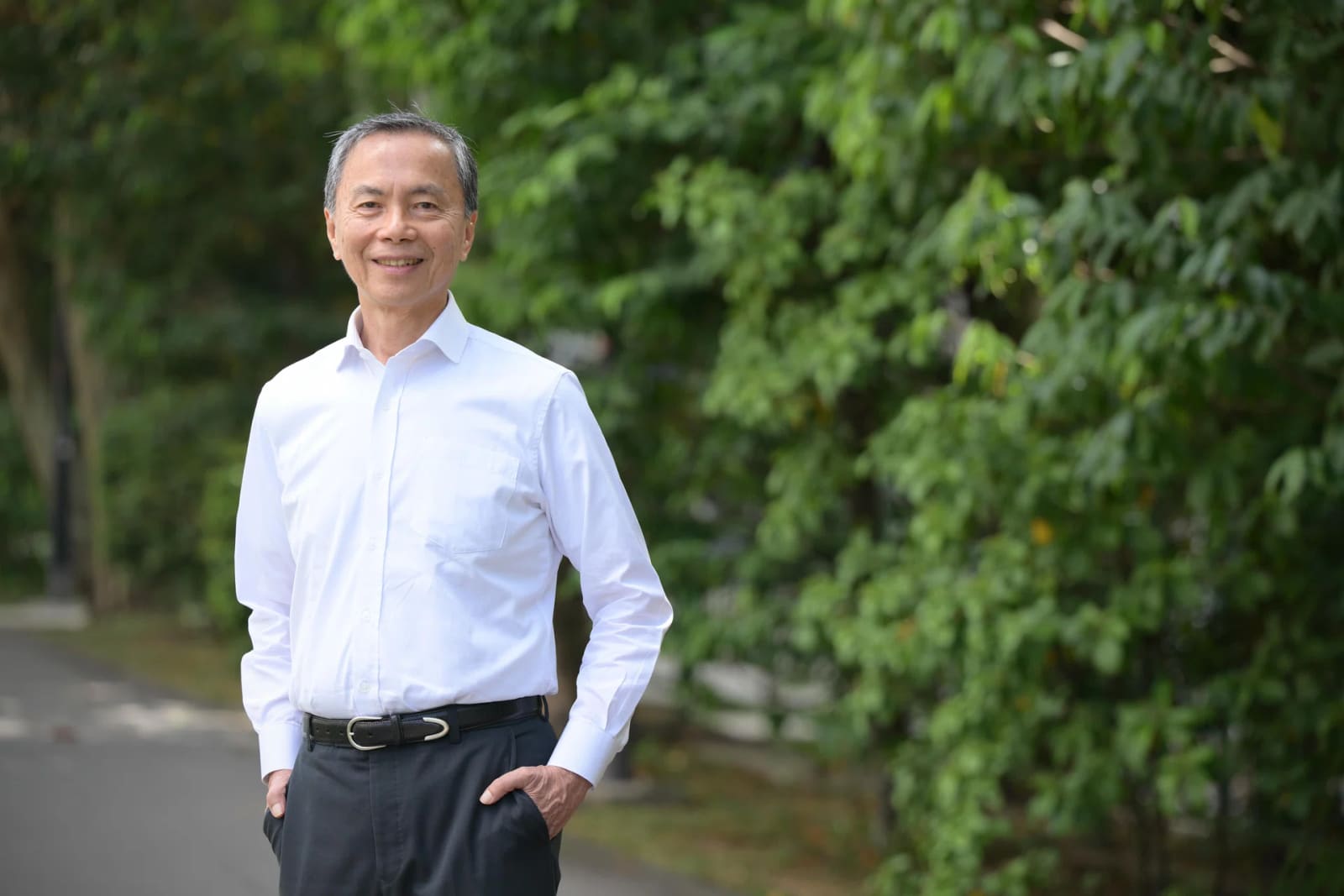
CapitaLand Investment Names Hsieh Fu Hua Deputy Chairman
Lim Hui Ying · 3 min
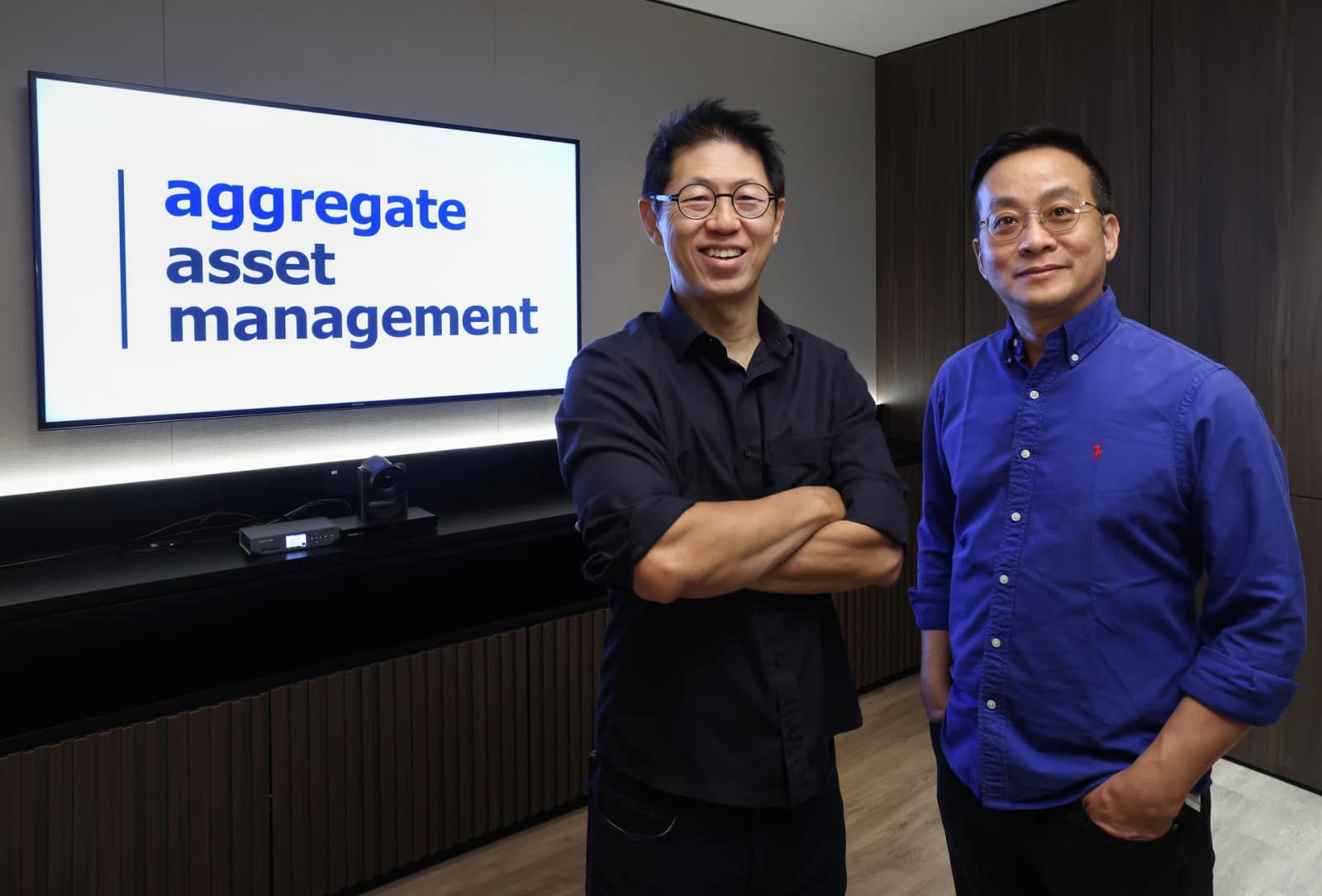
Singapore Fund Deploys Machine Learning to Diversify Away From AI Stock Concentration
Cheng Wei-Lun · 4 min
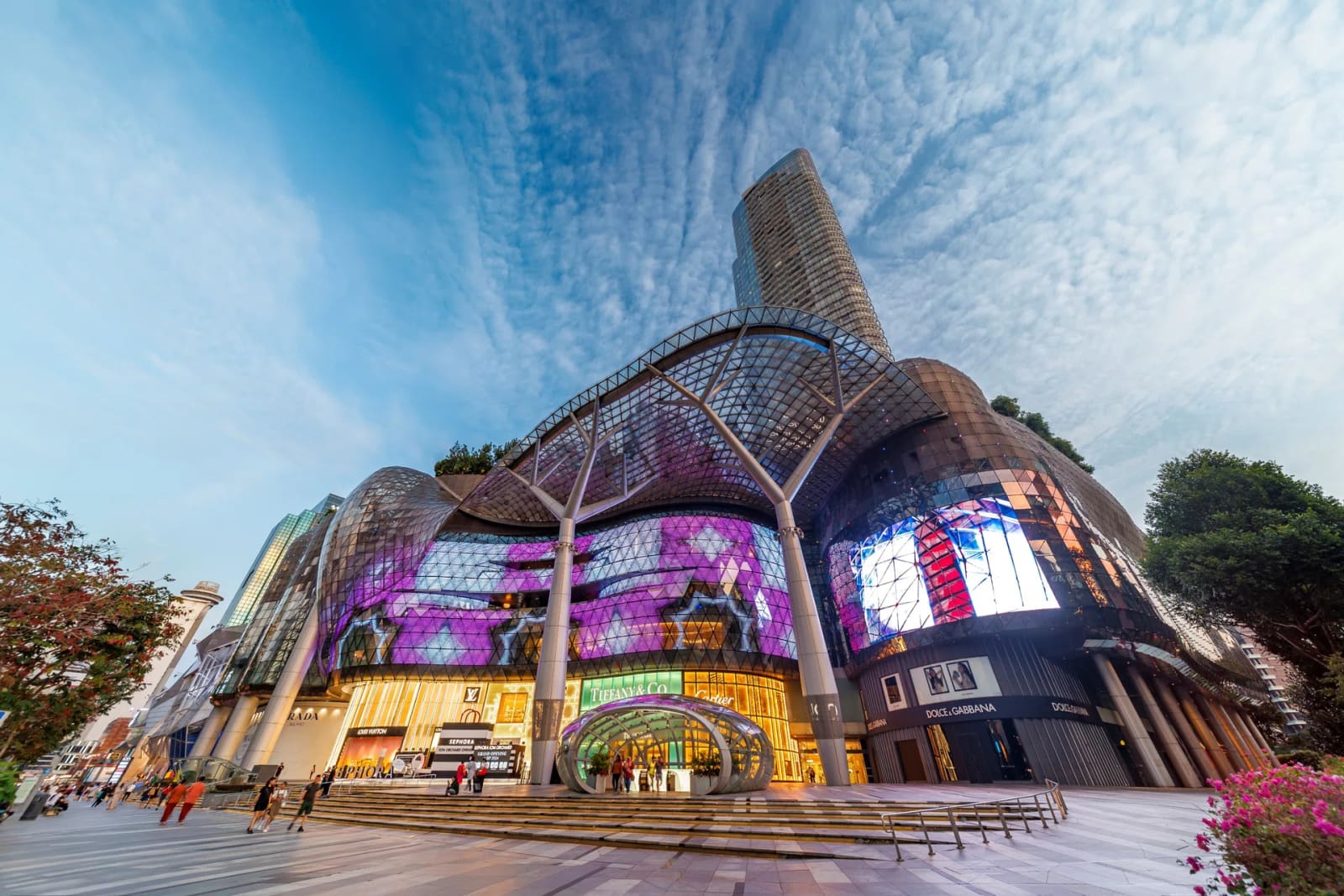
CapitaLand Trust Posts 7% Distribution Growth as Singapore REITs Navigate Rate Environment
Priyanka V. Rao · 3 min
Spot something wrong? Email editor@briefasia.com. We log every correction publicly.