Finance · Markets
CapitaLand Trust Posts 7% Distribution Growth as Singapore REITs Navigate Rate Environment
Ion Orchard owner reports stronger H1 performance driven by operating gains and lower interest costs, while Frasers Property moves to streamline hospitality assets
KEY TAKEAWAYS
- ·CapitaLand Integrated Commercial Trust achieved 7.1% year-on-year distribution growth to S$0.0602 per unit for H1 2026 despite unit dilution from April placement.
- ·Distributable income rose 13.3% to S$466.7 million, outpacing the 8.7% net property income gain, driven by lower interest expenses and operational efficiency.
- ·Frasers Property will seek shareholder approval August 28 to optimize Frasers Hospitality Trust portfolio as part of capital reallocation strategy.
Distribution Gains Despite Dilution
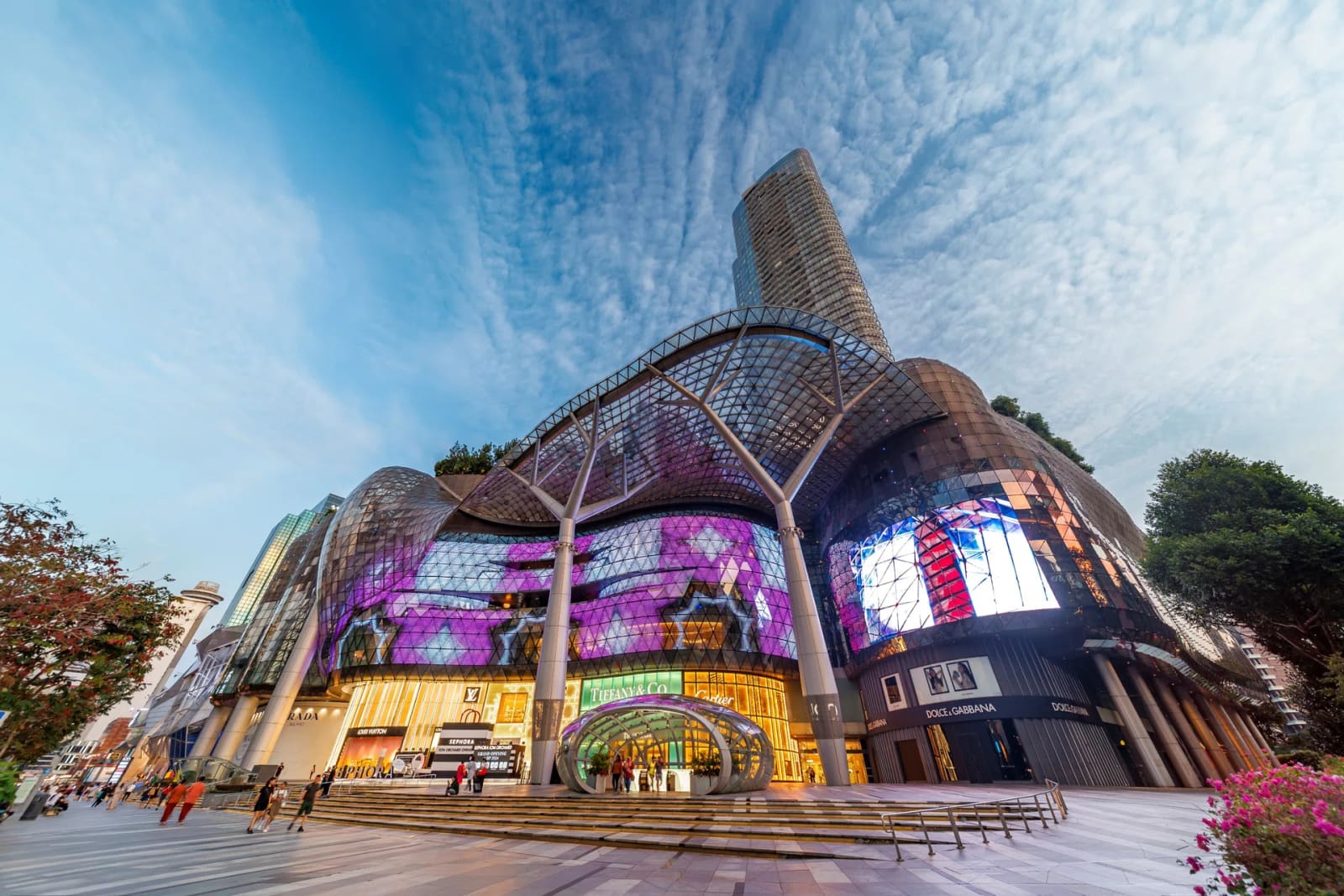
CapitaLand Integrated Commercial Trust delivered a distribution per unit of S$0.0602 for the first half ended June 30, marking a 7.1% increase from the same period last year. The trust, which owns Ion Orchard and other prime Singapore retail and office assets, achieved the growth despite an enlarged unit base following a private placement in April.
Distributable income climbed 13.3% to S$466.7 million, while net property income rose 8.7% to S$630.5 million. The trust attributed the performance to stronger operating fundamentals across its portfolio and a reduction in interest expenses, factors that more than offset the dilutive effect of new units issued during the April capital raise.
CICT units rose 2% to close at S$2.51 in Tuesday trading, reflecting investor confidence in the trust's ability to navigate the current interest rate environment while maintaining distribution growth.
Frasers Property Moves to Reshape Hospitality Holdings
Frasers Property will seek shareholder approval on August 28 for a proposed portfolio optimization at Frasers Hospitality Trust. The restructuring forms part of the group's broader strategy to unlock capital from stabilized assets and refine its hospitality investment thesis.
The company's business update revealed unrecognized residential revenue across Singapore, Australia, Thailand, and China stood at approximately S$1 billion as of end-June, down from S$1.4 billion a year earlier. The decline suggests accelerated sales completion or a slower pace of new project launches during the period.
Frasers Property shares closed flat at S$1.05 ahead of the announcement.
Regional REIT Landscape Shifts
The contrasting approaches of CICT and Frasers Property illustrate divergent strategies among Singapore-listed property vehicles as they adapt to a prolonged higher-rate regime. CICT's ability to grow distributions while managing debt costs points to operational leverage in its retail and office mix, particularly as Singapore's CBD and Orchard Road precincts benefit from sustained post-pandemic recovery in foot traffic and tenant demand.
Frasers Property's hospitality portfolio review, meanwhile, reflects a broader industry reassessment of hotel and serviced residence assets. Hospitality REITs across Asia have faced pressure from volatile travel demand and rising financing costs, prompting sponsors to consider asset sales or structural changes to improve yield profiles.
The S$1 billion residential revenue figure for Frasers Property also offers a snapshot of developer sentiment in key Southeast Asian and Australian markets. The year-on-year decline may signal either deliberate inventory management or softer launch conditions, particularly in markets like China where property sector headwinds have persisted.
Interest Rate Sensitivity Remains Key
CICT's lower interest expenses during H1 suggest the trust has either refinanced maturing debt at more favorable terms or benefited from a higher proportion of fixed-rate borrowings. Singapore REITs with significant floating-rate exposure have faced margin compression over the past two years as the Monetary Authority of Singapore maintained a tight policy stance to contain inflation.
The trust's 13.3% jump in distributable income, outpacing the 8.7% rise in net property income, indicates effective cost management beyond just interest savings. This could include lower property taxes, reduced marketing spend, or improved operating efficiency at major assets like Ion Orchard and CapitaSpring.
For income-focused investors, the 7.1% DPU growth offers a real-terms positive return in an environment where Singapore's inflation has moderated to around 2-3%. The trust's ability to maintain distribution momentum despite unit dilution also suggests healthy underlying cash flow generation.
Frasers Hospitality Trust's pending portfolio changes will likely hinge on asset valuations and buyer appetite for hospitality properties in the current cycle. If the optimization involves asset sales, proceeds could be redeployed into higher-yielding or more strategically aligned properties, or used to reduce gearing and improve distribution sustainability.
Both developments underscore the active portfolio management now required of Singapore REITs and property companies as they balance yield expectations, debt costs, and capital allocation in a market where passive buy-and-hold strategies no longer suffice.
RELATED STORIES

Sea Earnings Rise 11% as Shopee Revenue Surges 48%
Priyanka V. Rao · 3 min

China's New Offshore Trust Tax Rules Send Ripples Through Singapore Wealth Industry
Cheng Wei-Lun · 2 min
Singapore Stocks in Focus as UOBKH Profits Jump 66 Percent, ST Engineering Wins $2.9 Billion in Contracts
Priyanka V. Rao · 4 min
Singapore Banks Hit Record Highs on Wealth Management Surge
Priyanka V. Rao · 2 min
Spot something wrong? Email editor@briefasia.com. We log every correction publicly.