Finance · Deals
CapitaLand Investment Names Hsieh Fu Hua Deputy Chairman
The 75-year-old banking veteran brings decades of financial markets and governance experience as the real estate manager pursues global expansion
KEY TAKEAWAYS
- ·CapitaLand Investment appointed Hsieh Fu Hua, 75, as deputy chairman and independent director effective August 12, expanding the board to 12 members with nine independent directors.
- ·Hsieh previously led Singapore Exchange as CEO, served as Temasek president, and currently chairs GXS Bank and sits on GIC's board.
- ·The appointment supports CapitaLand Investment's push to scale its fund management franchise across Asia-Pacific amid growing institutional demand for real asset exposure.
Leadership Shift at Regional Real Estate Giant
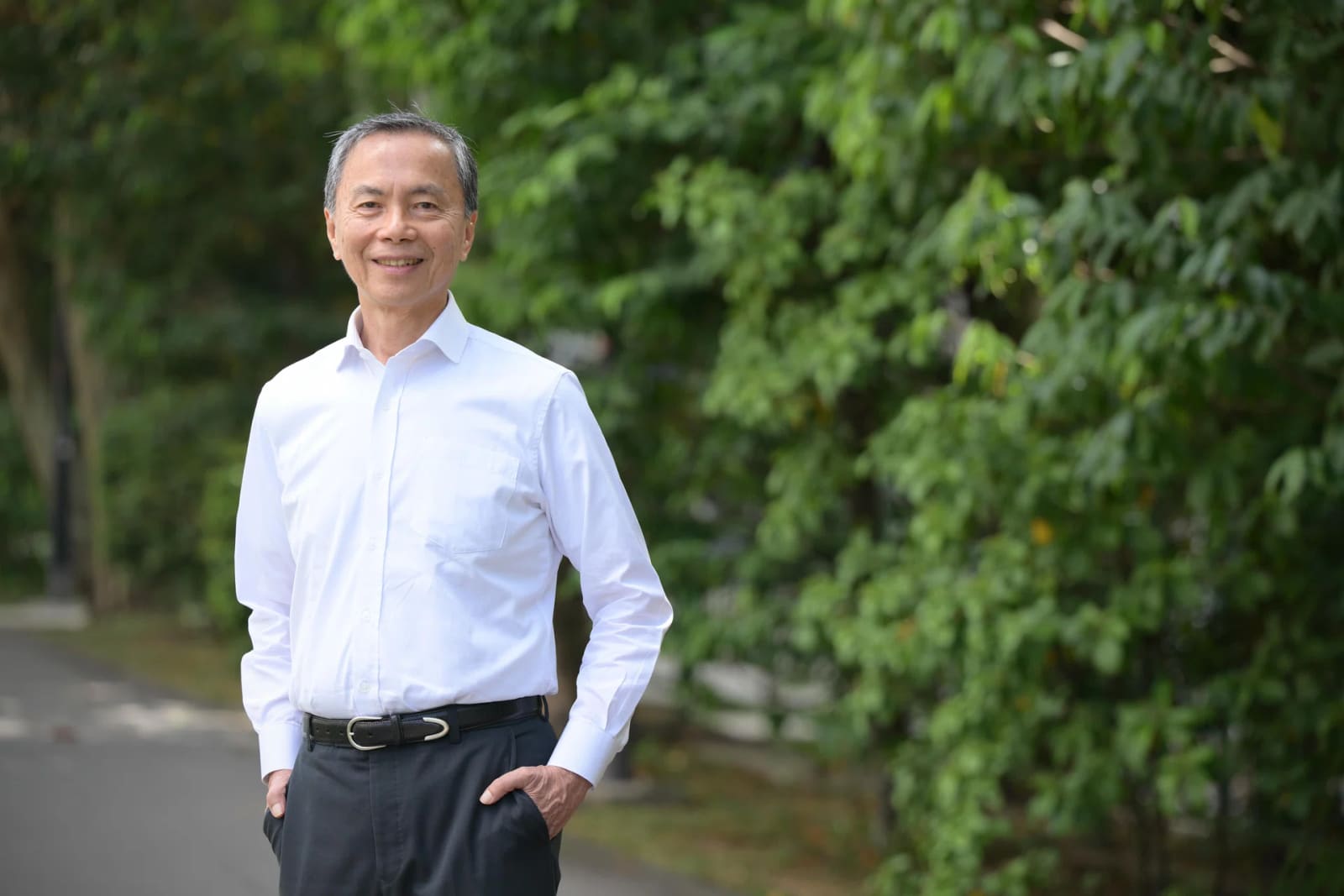
CapitaLand Investment has appointed Hsieh Fu Hua as deputy chairman and non-executive independent director, effective August 12. The move signals the Singapore-based real estate manager's intent to deepen its financial markets capabilities as it expands its fund management franchise across Asia and beyond.
Hsieh, 75, will serve on three board committees: executive and sustainability, executive resource and compensation, and nominating. His appointment increases the board to 12 directors, nine of whom are independent, according to CapitaLand Investment.
Credentials Across Singapore's Financial Establishment
The new deputy chairman carries a resume spanning Singapore's financial and institutional landscape. He previously served as CEO of Singapore Exchange and held the president role at Temasek, the city-state's sovereign wealth fund. His board experience includes a current directorship at GIC, Singapore's other sovereign wealth manager.
Hsieh co-founded and advises PrimePartners Group, a financial advisory firm, and chairs GXS Bank. He also leads the boards of National University of Singapore and WWF Singapore. Past chairmanships include United Overseas Bank, Tiger Airways, Asia Capital Reinsurance Group, and Eastspring Investments Group.
Strategic Timing for Fund Management Push
CapitaLand Investment framed the appointment as part of its ambition to cement its position as a leading global real asset manager. The company manages funds across office, retail, logistics, data centers, and lodging sectors in Asia-Pacific and select Western markets.
Miguel Ko, CLI chairman, said Hsieh's "strategic insight, independent perspectives and boardroom experience" will support the board as it executes strategic priorities and pursues long-term value creation. The addition broadens the board's collective expertise in financial markets, investment management, corporate governance, and organizational leadership.
Hsieh pointed to CapitaLand Investment's capital partnerships and track record across key sectors as foundations for further scaling. The firm has built a reputation for assembling institutional capital from pension funds, insurers, and sovereign wealth funds, particularly in markets such as Japan, South Korea, and Southeast Asia.
Context in Singapore's Institutional Ecosystem
The appointment underscores the interconnected nature of Singapore's financial and real estate sectors, where senior executives often rotate through government-linked entities, banks, exchanges, and asset managers. Hsieh's career arc through SGX, Temasek, UOB, and now CapitaLand Investment reflects this pattern.
Singapore remains a regional hub for real estate fund management, with firms using the city-state's regulatory framework and capital markets infrastructure to raise and deploy capital across Asia. CapitaLand Investment, spun off from parent CapitaLand in 2021, has positioned itself to capture flows from institutional investors seeking exposure to Asian real assets amid low yields in developed markets.
The board refresh comes as the firm navigates a mixed operating environment. Fee revenue has grown in recent quarters, driven by fund management activities, even as direct real estate investment income has faced headwinds from slower transaction volumes and valuation pressure in certain markets.
What the Appointment Signals
Bringing in a figure with Hsieh's institutional heft suggests CapitaLand Investment is preparing for a phase that requires deeper engagement with capital markets, possibly including more complex fund structures, co-investment vehicles, or public market activity. His governance background also aligns with rising expectations for transparency and ESG integration among institutional limited partners.
The timing aligns with broader capital reallocation trends in Asia. Institutional investors in Japan, South Korea, and the Gulf are increasing allocations to alternative assets, including real estate debt and equity, creating opportunities for managers with established platforms and local expertise.
For CapitaLand Investment, the challenge will be converting board-level expertise into execution on the ground, particularly in markets where competition for assets and capital is intensifying. Hsieh's network across Singapore's financial establishment may prove useful in opening doors, but the firm's growth will ultimately depend on deal flow, asset performance, and its ability to deliver returns in a higher-rate environment.
RELATED STORIES
Singapore Fund Deploys Machine Learning to Diversify Away From AI Stock Concentration
Cheng Wei-Lun · 4 min
UOB Kay Hian Posts 66% Jump in First-Half Profit on Trading Surge
Priyanka V. Rao · 4 min
CapitaLand Trust Posts 7% Distribution Growth as Singapore REITs Navigate Rate Environment
Priyanka V. Rao · 3 min

Sea Earnings Rise 11% as Shopee Revenue Surges 48%
Priyanka V. Rao · 3 min
Spot something wrong? Email editor@briefasia.com. We log every correction publicly.