Finance · Deals
Singapore's SBS Transit Posts Flat Half-Year Earnings as Energy Bills Surge
The transport operator's profit edged down despite revenue climbing above S$785 million, prompting a hefty dividend payout as it navigates contract losses and cost pressures.
KEY TAKEAWAYS
- ·SBS Transit earned S$34 million net profit in the first half of 2026, down 0.3 percent year on year, as fuel and electricity expenses climbed 36.5 percent to S$138 million.
- ·Revenue grew 5.3 percent to S$785.6 million driven by ridership gains of 1.5 percent on the North-East Line and fare adjustments across the network.
- ·The operator declared a combined dividend of 24.42 cents per share, a 260 percent payout ratio, ahead of losing the Serangoon-Eunos bus package in June 2027.
Profit Pressured by Soaring Power Bills
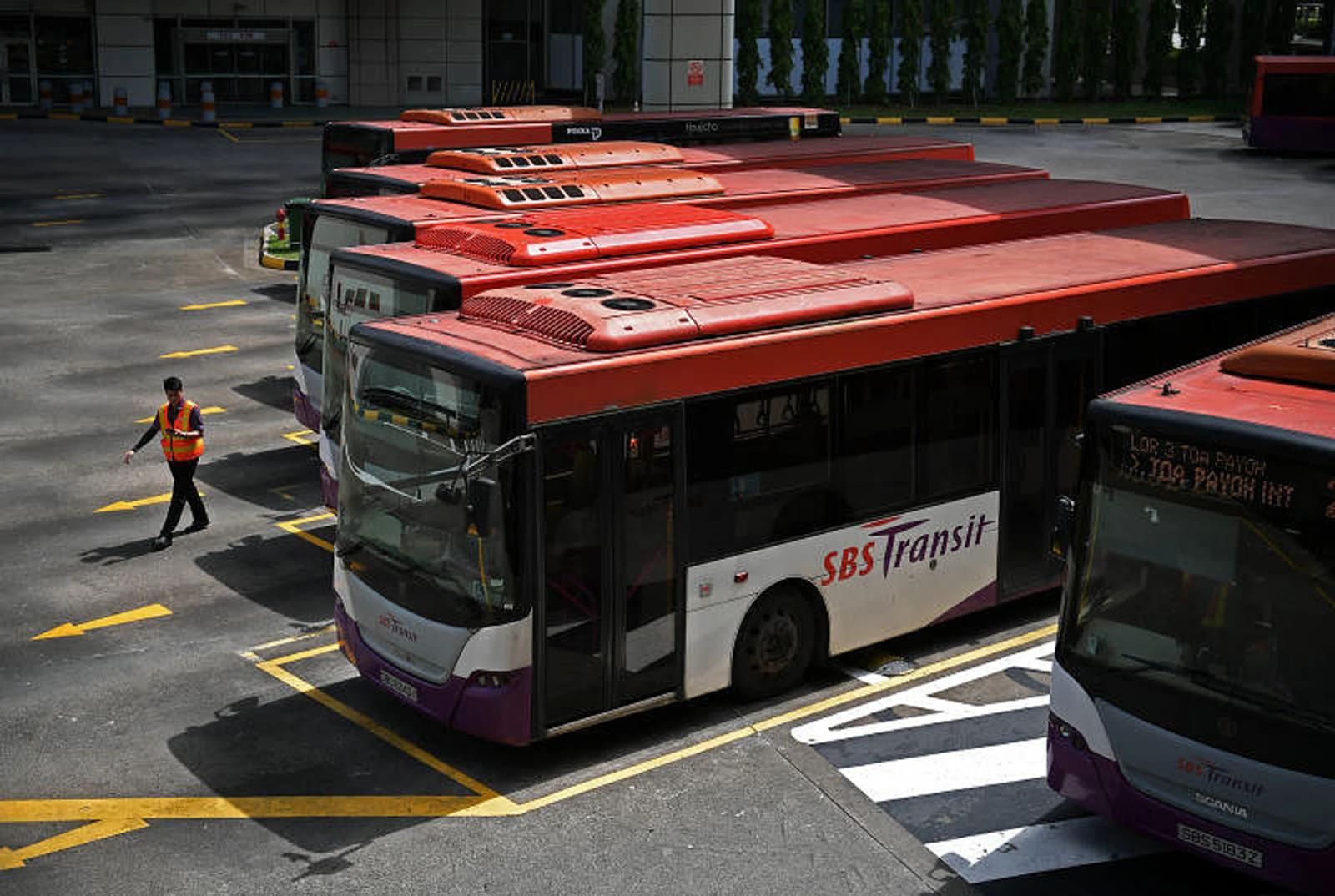
Singapore's largest bus operator recorded net profit of S$34 million for the six months ending June 30, a marginal 0.3 percent decline from the year-earlier period, according to SBS Transit. The operator, which runs two of the city-state's MRT lines alongside a fleet of public buses, saw revenue climb 5.3 percent to S$785.6 million over the same window.
The divergence between top-line growth and bottom-line stagnation underscores the squeeze facing transport operators across Southeast Asia's most expensive city. Energy and staffing expenses absorbed almost all the additional revenue, leaving little room for margin expansion even as commuters returned in greater numbers and fare adjustments took effect.
Fuel and electricity costs alone jumped 36.5 percent to S$138 million during the half. That single line item accounted for more than the entire increase in operating expenses, which rose 5.6 percent to S$751.6 million. Other cost categories moved in the opposite direction: premises expenses, depreciation charges, and miscellaneous operating costs all declined, according to the company's Thursday filing with the Singapore Exchange.
Ridership Gains Drive Core Business
The public transport division, which represents the bulk of SBS Transit's operations, posted revenue of S$757.2 million for the period, up 5.8 percent. That growth reflects both higher average fares and increased passenger volumes on the operator's rail network.
The North-East Line, which connects Punggol and HarbourFront across 16 kilometers of track, carried 1.5 percent more passengers than a year earlier. The Downtown Line, a 42-kilometer route linking Bukit Panjang with the eastern suburbs, recorded ridership growth of 1.0 percent. Both lines operate under long-term concession agreements with the Land Transport Authority, Singapore's transport regulator, which sets fare levels and collects revenue directly before reimbursing operators under a cost-plus model introduced in 2016.
That framework insulates operators from fare-box risk but ties profitability to cost discipline. The energy spike during the first half illustrates the vulnerability: global oil and liquefied natural gas prices remained elevated through mid-2026, and Singapore, which imports virtually all its fuel, has limited ability to buffer operators from international commodity swings.
Advertising Weakness Offsets Commercial Gains
The smaller commercial services segment, which manages advertising inventory across stations and buses, saw revenue decline 6.2 percent to S$28.4 million. The drop reflected softer demand from advertisers, a trend visible across Singapore's outdoor media sector as brands reallocated budgets toward digital channels.
Operating profit in the segment nonetheless rose 8.1 percent to S$10.7 million. The improvement came from lower depreciation, reduced staff costs, and tighter control over advertising production expenses. The divergence between revenue and profit underscores the fixed-cost nature of the business: once infrastructure is in place, incremental volume matters less than cost management.
Dividend Signals Confidence Despite Contract Setbacks
SBS Transit declared a special dividend of 15.97 Singapore cents per share alongside an interim dividend of 8.45 cents, bringing the total half-year payout to 24.42 cents. That equates to a payout ratio of 260 percent, well above the company's historical norm and a signal that management views the balance sheet as over-capitalized relative to near-term investment needs.
The outsized distribution comes as the operator prepares for a leaner bus portfolio. The Tampines Bus Package, a cluster of routes in the eastern suburbs, expired in July 2026. The Serangoon-Eunos package, covering adjacent neighborhoods, will lapse in June 2027. Group chief executive Jeffrey Sim acknowledged disappointment at losing the Serangoon-Eunos tender but emphasized that SBS Transit remains the Republic's largest bus operator and operates its most reliable rail network.
The contract losses will weigh on revenue from mid-2027 onward. Bus operations in Singapore are tendered under a government-contracting model that awards packages to the lowest-cost bidder meeting service standards. The shift away from a vertically integrated model began in 2014 and aimed to introduce competition and improve cost transparency. For incumbents such as SBS Transit, it has meant periodic attrition as rivals underbid on renewal rounds.
Outlook Tempered by Labor and Inflation
Management struck a cautious tone for the remainder of 2026. A tight labor market, persistent energy-price volatility, and broader inflation continue to challenge margins, the company said in its filing. Singapore's unemployment rate has held near historic lows, forcing transport operators to compete with logistics, hospitality, and construction firms for drivers and maintenance technicians. Wage pressures are unlikely to ease before 2027, according to Ministry of Manpower projections.
Rail revenue is expected to partially offset the bus package expiries. Ridership on the North-East and Downtown lines continues to recover toward pre-pandemic levels, and fare adjustments approved by the Public Transport Council took effect in stages through early 2026. Those increases, while modest, flow directly to the bottom line under the cost-plus concession model.
The operator's majority owner, ComfortDelGro, holds strategic optionality. The group operates bus and rail networks in the United Kingdom, Australia, and China, providing a diversified earnings base that can cushion Singapore-specific headwinds. ComfortDelGro has historically used its scale to cross-subsidize capital expenditure and share best practices across geographies, a capability that smaller pure-play operators lack.
Shares of SBS Transit closed Thursday down 0.3 percent at S$3.62, tracking the modest profit decline. The stock has traded in a narrow range through 2026, reflecting investor confidence in the regulated revenue model but limited enthusiasm for growth given the maturing domestic market and contract churn.
Regional Implications
Singapore's experience offers a preview of challenges facing other Asian cities that have adopted or are considering competitive tendering for public transport. Hong Kong's MTR Corporation, Taipei Metro, and Bangkok's mass-transit operators all face similar cost pressures as energy markets remain volatile and labor becomes scarcer. The question is whether fare mechanisms can adjust quickly enough to preserve operator margins without triggering political backlash.
For now, SBS Transit's ability to maintain profitability, however slim, while distributing excess capital to shareholders suggests the Singapore model is working as designed. Whether that holds as the next wave of contract renewals approaches will test both the operator's cost discipline and the regulator's willingness to balance affordability with financial sustainability.
RELATED STORIES

City Developments Shares Jump 11% After Net Profit Triples
Lim Hui Ying · 2 min
Sembcorp Lifts Dividend 22% as Alinta Acquisition Drags First-Half Profit Down
Priyanka V. Rao · 2 min
Singapore Relaxes Family Office Tax Requirements While Strengthening Anti-Money Laundering Oversight
Priyanka V. Rao · 3 min
Singapore Data Center Operator DayOne Eyes $5 Billion US IPO
Priyanka V. Rao · 3 min
Spot something wrong? Email editor@briefasia.com. We log every correction publicly.