Finance · Markets
Malaysian Ringgit Strengthens Against Regional Peers as US Inflation Eases
Currency appreciates against euro, yen, and baht while marginally softening versus dollar following July CPI data
KEY TAKEAWAYS
- ·Malaysia's ringgit appreciated against the euro, yen, and baht Thursday while slipping marginally to 4.0850 per dollar following US July inflation data of 3.4 per cent.
- ·US Treasury yields compressed below 4.70 per cent on the 10-year note, narrowing the inflation premium and reducing urgency for further Federal Reserve rate hikes.
- ·Bank Muamalat Malaysia projects the ringgit to trade between 4.07 and 4.09 per dollar near term, though geopolitical risks in the Strait of Hormuz could reignite inflation pressures.
Morning Trade Shows Selective Strength
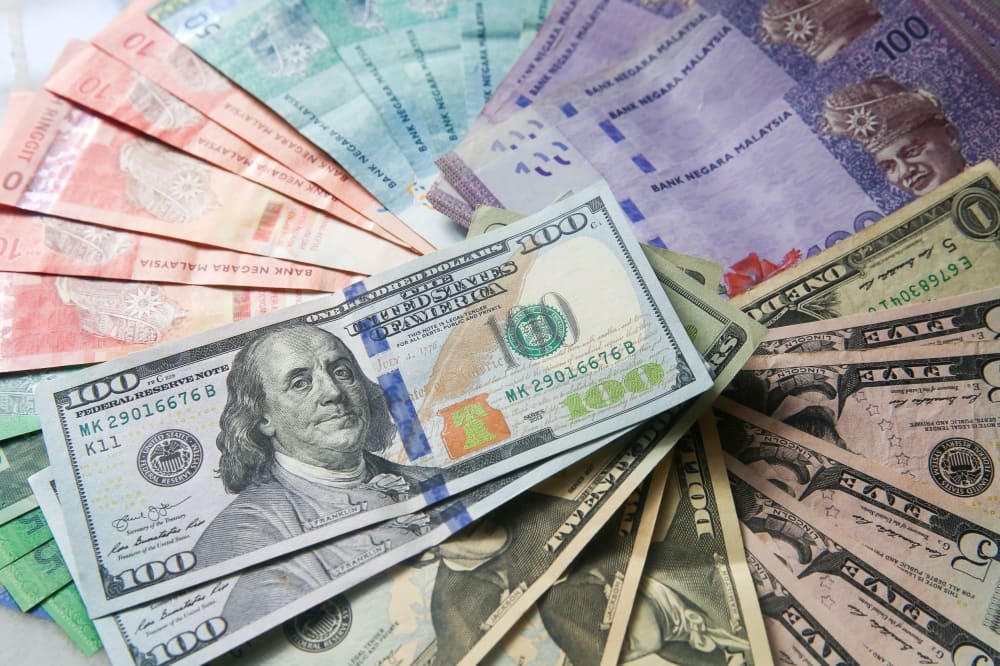
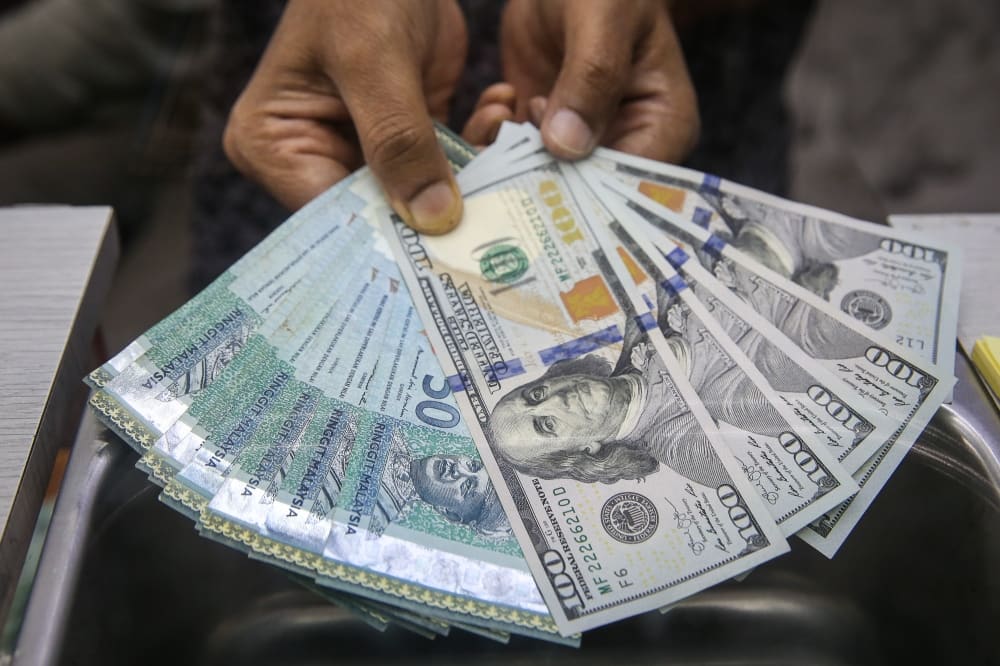
Malaysia's ringgit exhibited selective strength in early trading Thursday, climbing against a basket of major and regional currencies while giving up marginal ground to the US dollar. At 8am Kuala Lumpur time, the local unit traded at 4.0850 per dollar, a slight retreat from the previous session's close of 4.0835, according to Bank Muamalat Malaysia.
The currency's mixed performance came hours after Washington released consumer price index figures that reinforced expectations of a less aggressive Federal Reserve tightening cycle. July inflation registered 3.4 per cent year-on-year, down from June's 3.5 per cent reading and in line with analyst forecasts.
Against the euro, the ringgit appreciated to 4.7092 from 4.7107 in the prior session. It also strengthened versus the Japanese yen, reaching 2.5637 compared with Wednesday's 2.5655, and gained against the British pound to settle at 5.5135 from 5.5180.
Regional Divergence Reflects Trade Dynamics
Within Southeast Asia, the ringgit's performance varied. The currency advanced against the Thai baht, moving to 12.3418 from 12.3488, reflecting divergent monetary policy trajectories between Bangkok and Kuala Lumpur. Thailand's central bank has maintained a more dovish stance amid softer domestic growth, while Bank Negara Malaysia has signaled readiness to adjust policy as needed.
Against the Singapore dollar, however, the ringgit edged lower to 3.1912 from 3.1905, underscoring the city-state's continued strength as a financial hub and safe haven within the region. Trade with Indonesia and the Philippines showed minimal movement, with the ringgit holding steady at 228.5 per 1,000 rupiah and 6.67 per peso respectively.
The selective gains reflect Malaysia's improving macroeconomic fundamentals and investor confidence in the country's export-driven recovery. Palm oil prices have stabilized above key support levels, while electronics shipments to China and the United States have exceeded expectations in recent months, bolstering current account surpluses.
Inflation Premium Narrows on Fed Outlook
US Treasury yields compressed following the inflation release, a development that carries implications for emerging market currencies. The benchmark 10-year note dipped below 4.70 per cent, while the two-year yield fell one basis point to 4.20 per cent, Bank Muamalat Malaysia chief economist Mohd Afzanizam Abdul Rashid noted.
The yield curve dynamics suggest markets are pricing in a prolonged pause in Federal Reserve rate hikes, reducing the opportunity cost of holding non-dollar assets. For the ringgit and other Asian currencies, this environment creates room for appreciation as carry trade flows return to the region.
Mohd Afzanizam observed that the moderation in inflation premium signals diminishing urgency for further Fed tightening. "The 10-year US Treasury yields fell below 4.70 per cent, suggesting the inflation premium is moderating," he said, adding that the two-year note's movement implies policymakers may refrain from additional rate increases in the near term.
Geopolitical Risk Remains on Radar
Despite the benign inflation print, uncertainty surrounding maritime security in the Middle East continues to cast a shadow over currency markets. Concerns about potential disruptions in the Strait of Hormuz, a critical chokepoint for global energy shipments, have not dissipated. Any escalation could trigger a spike in oil prices and reignite inflationary pressures across import-dependent Asian economies.
Malaysia, while an energy exporter, remains vulnerable to broader supply chain disruptions and the second-order effects of higher energy costs on trading partners. The country imports refined petroleum products and industrial inputs, meaning sustained crude price increases would erode some of the terms-of-trade gains from palm oil and liquefied natural gas exports.
Mohd Afzanizam highlighted this lingering risk, noting that worries over the Strait of Hormuz remain unresolved and could materially affect the inflation outlook. "This could mean the risk of higher inflation is fairly visible," he said, tempering optimism around the recent CPI data.
Trading Range Narrows Near Multi-Year Highs
Looking ahead, Bank Muamalat Malaysia expects the ringgit to trade within a tight range of 4.07 to 4.09 against the dollar in the near term. This band represents a consolidation zone near the currency's strongest levels since early 2022, when the Fed's initial rate hike cycle began.
The projected stability reflects a balance between supportive domestic factors and external uncertainties. Malaysia's fiscal position has improved, with the government narrowing its deficit target and implementing targeted subsidy reforms. At the same time, foreign portfolio inflows into Malaysian equities and bonds have accelerated, drawn by attractive valuations and a favorable risk-reward profile relative to regional peers.
Currency strategists in Singapore and Hong Kong have raised their end-of-year forecasts for the ringgit, with several major banks now projecting levels near 4.00 per dollar by December. These revisions incorporate expectations of continued US disinflation, stable commodity prices, and resilient Malaysian exports.
Broader Implications for Regional Currencies
The ringgit's performance offers a window into the evolving dynamics of Asian foreign exchange markets. As the Fed's tightening cycle draws to a close, currencies across the region have begun to reclaim ground lost during the aggressive rate hike period of 2022 and 2023.
Indonesia's rupiah and Thailand's baht have also shown signs of stabilization, though their trajectories differ based on domestic fundamentals. Indonesia faces ongoing current account pressures from elevated imports, while Thailand contends with weaker tourism revenue compared with pre-pandemic levels.
Malaysia's relatively balanced external position and diversified export base provide a cushion that some neighbors lack. The country's electronics sector has benefited from supply chain diversification away from China, while palm oil and energy exports have held up despite softer global demand.
For investors and corporates with ringgit exposure, the current environment suggests a period of relative calm, barring external shocks. Hedging costs have declined as implied volatility in currency options has compressed, making it cheaper to manage foreign exchange risk. Malaysian exporters, meanwhile, are locking in forward contracts near current levels to protect margins against potential dollar strength later in the year.
The interplay between US monetary policy, regional trade flows, and geopolitical risks will continue to shape the ringgit's trajectory in the months ahead. For now, the currency's resilience against major peers underscores Malaysia's improving economic narrative and its position within Asia's export complex.
RELATED STORIES
Malaysia's Ringgit Slides Against Dollar as Markets Brace for US Inflation Data
Priyanka V. Rao · 5 min
Malaysian Ringgit Dips Against Dollar as Markets Brace for US Inflation Print
Priyanka V. Rao · 2 min
Malaysia's Currency Holds Ground as Dollar Index Climbs on Hormuz Tensions
Priyanka V. Rao · 4 min
Malaysian Ringgit Holds Ground as Weak US Jobs Data Clouds Fed Path
Priyanka V. Rao · 2 min
Spot something wrong? Email editor@briefasia.com. We log every correction publicly.