Asia · Politics
Manila Cuts Infrastructure Budget to ₱1.34 Trillion Amid Scandal Fallout
The Philippines scales back public works spending as corruption probes reshape fiscal priorities in Southeast Asia's fourth-largest economy
KEY TAKEAWAYS
- ·The Philippines will allocate ₱1.34 trillion for infrastructure next year, a significant reduction following a multibillion-peso flood control scandal.
- ·The budget cut reflects heightened scrutiny of public works contracts and may push infrastructure spending below the 5% of GDP threshold economists view as necessary for sustained growth.
- ·The pullback could weaken the Philippines' competitive position against regional peers like Vietnam and Indonesia, which continue aggressive infrastructure investment.
A Sharp Reversal in Capital Spending
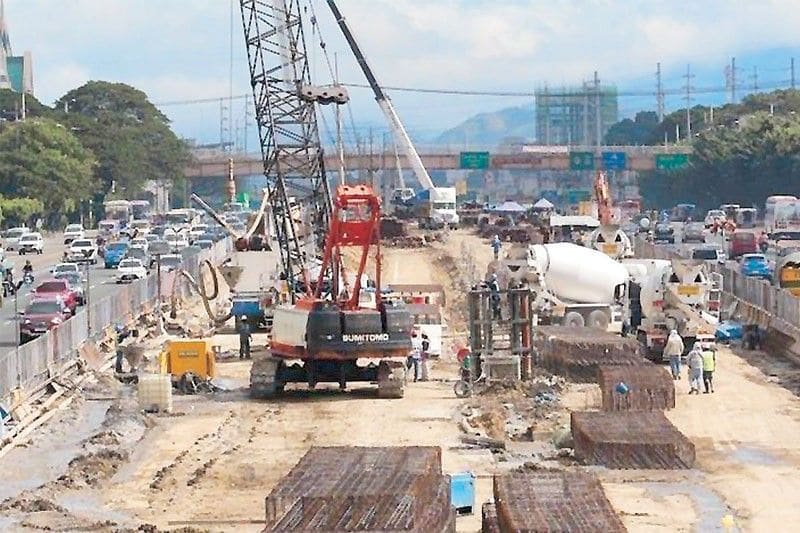
The Philippines will allocate ₱1.34 trillion for infrastructure projects next year, a sharp reduction that marks a significant departure from the capital-intensive development strategy Manila has pursued for nearly a decade. The Department of Budget and Management confirmed the figure in recently released planning documents, signaling a new fiscal posture shaped by political pressure and accountability concerns.
The pullback follows months of intensifying scrutiny over public works contracts, triggered by revelations of a multibillion-peso flood control scandal that has dominated headlines and legislative hearings in recent quarters. While the government has not explicitly linked the budget cut to the ongoing investigations, the timing underscores the political costs of infrastructure mismanagement in an economy where public works have been a cornerstone of growth narratives.
For regional investors tracking Southeast Asia's infrastructure pipeline, the reduction represents a meaningful recalibration. The Philippines has been one of the region's more aggressive infrastructure spenders in recent years, channeling capital into roads, bridges, rail lines, and flood mitigation systems as part of an effort to close the gap with neighbors like Vietnam and Indonesia. The new budget level suggests that momentum is stalling, at least temporarily, as Manila prioritizes damage control over expansion.
The Scandal That Changed the Calculus
The flood control controversy has reverberated through multiple layers of government. Investigations have centered on irregularities in contract awards, cost overruns, and alleged kickbacks involving officials and contractors. The scandal has not only triggered legislative probes but also prompted calls for systemic reforms in procurement processes and project oversight.
The fallout has been swift. Senior officials have faced questioning, several contracts have been suspended pending review, and the Commission on Audit has launched a broader examination of infrastructure spending patterns over the past five years. The political heat has made it difficult for the administration to defend ambitious spending targets, particularly as opposition lawmakers press for accountability and transparency.
In this environment, the decision to trim the infrastructure budget appears as much about risk management as fiscal discipline. By reducing the envelope, the government limits its exposure to further scandals and buys time to strengthen oversight mechanisms. But the move also carries economic costs, particularly in a country where infrastructure deficits remain a persistent drag on competitiveness.
Regional Context and Comparative Spending
The Philippines' infrastructure investment as a share of GDP has lagged regional peers for years, a gap that successive administrations have sought to close. Recent budgets had pushed infrastructure spending above 5% of GDP, a threshold that economists view as necessary to sustain high growth rates and attract manufacturing investment. The new allocation, depending on final GDP figures, may fall short of that benchmark, raising questions about the country's ability to keep pace with regional rivals.
Vietnam, by comparison, has maintained infrastructure spending near 6% of GDP, channeling funds into industrial parks, port upgrades, and transport corridors that support export-driven growth. Indonesia has similarly prioritized capital projects, particularly outside Java, as part of efforts to decentralize economic activity. Thailand, despite political turbulence, has sustained investment in high-speed rail and Eastern Economic Corridor projects that aim to anchor the country's position in regional supply chains.
The Philippines' retreat from aggressive infrastructure spending may therefore have competitive implications. Foreign manufacturers evaluating site locations in Southeast Asia weigh infrastructure quality heavily, and any perception that Manila is scaling back could tilt investment decisions toward Bangkok, Hanoi, or Jakarta. The reduction also complicates efforts to position the country as a logistics hub, particularly as global supply chains diversify away from China.
Fiscal Constraints and Debt Dynamics
The budget cut also reflects broader fiscal pressures. The Philippines' debt-to-GDP ratio climbed during the pandemic and has remained elevated as the government manages deficits and rising interest costs. While debt levels are not yet alarming by regional standards, they constrain the government's fiscal flexibility and make large-scale infrastructure programs harder to justify, particularly when revenue collection remains uneven.
The Department of Finance has signaled a preference for fiscal consolidation in recent statements, emphasizing the need to stabilize debt metrics and preserve investor confidence. Infrastructure spending, while productive in the long term, requires upfront outlays that can widen deficits in the short term. In a political climate sensitized by scandal, the case for belt-tightening has gained traction, even if it means deferring projects that could yield economic returns down the line.
What Projects Face the Axe
The budget document does not specify which projects will be delayed or scaled back, but industry observers expect the cuts to hit new initiatives hardest. Ongoing projects with committed funding and contractual obligations are likely to proceed, while pre-feasibility studies and early-stage proposals may be shelved. Flood control programs, ironically, could face particular scrutiny given the scandal's origins, even though climate resilience remains a pressing need.
Transport infrastructure may also see adjustments. The Metro Manila subway project, a flagship initiative with Japanese financing, is expected to continue given its strategic importance and foreign partner involvement. But secondary rail lines, provincial highways, and port expansions could face delays if budget pressures mount.
The private sector's role in infrastructure finance may grow as a result. Public-private partnerships, long promoted but unevenly implemented, could become a more attractive option if the government seeks to maintain project pipelines without shouldering full fiscal risk. But PPP structures require robust regulatory frameworks and transparent procurement, precisely the areas now under scrutiny.
The Path Forward
The infrastructure budget cut is unlikely to be the final word on the Philippines' capital spending trajectory. Political dynamics will shift, investigations will conclude, and fiscal conditions may improve. But the episode highlights the fragility of infrastructure momentum in environments where governance failures can rapidly erode public and political support.
For now, Manila's decision to pull back sends a clear signal: accountability concerns can override growth ambitions, at least in the near term. How the government balances these competing pressures will shape not only the country's infrastructure landscape but also its broader economic competitiveness in a region where peers are moving fast.
RELATED STORIES
MacroAsia Profit Falls 34 Percent as NAIA Lease Costs Surge
Priyanka V. Rao · 2 min

Philippines Tax Agency Hits P2 Trillion Revenue Mark With Four Months Left in Year
Mariel D. Santos · 2 min
Philippines Needs Structural Fixes Beyond Spending Push, Economists Warn
Priyanka V. Rao · 3 min
Philippine Growth Forecast Cut as Consumer Spending Stalls
Priyanka V. Rao · 3 min
Spot something wrong? Email editor@briefasia.com. We log every correction publicly.