Sustainability · Energy
TerraPower and SK Innovation Strike SMR Deal as Asia Eyes Nuclear Renaissance
The preliminary agreement positions South Korea's largest refiner parent to enter Bill Gates-backed reactor projects in Wyoming and beyond, as AI-driven power demand reshapes global nuclear supply chains.
KEY TAKEAWAYS
- ·TerraPower and SK Innovation signed a preliminary SMR agreement in Seoul, granting the South Korean refiner parent entry into US and international reactor projects without disclosed financial terms.
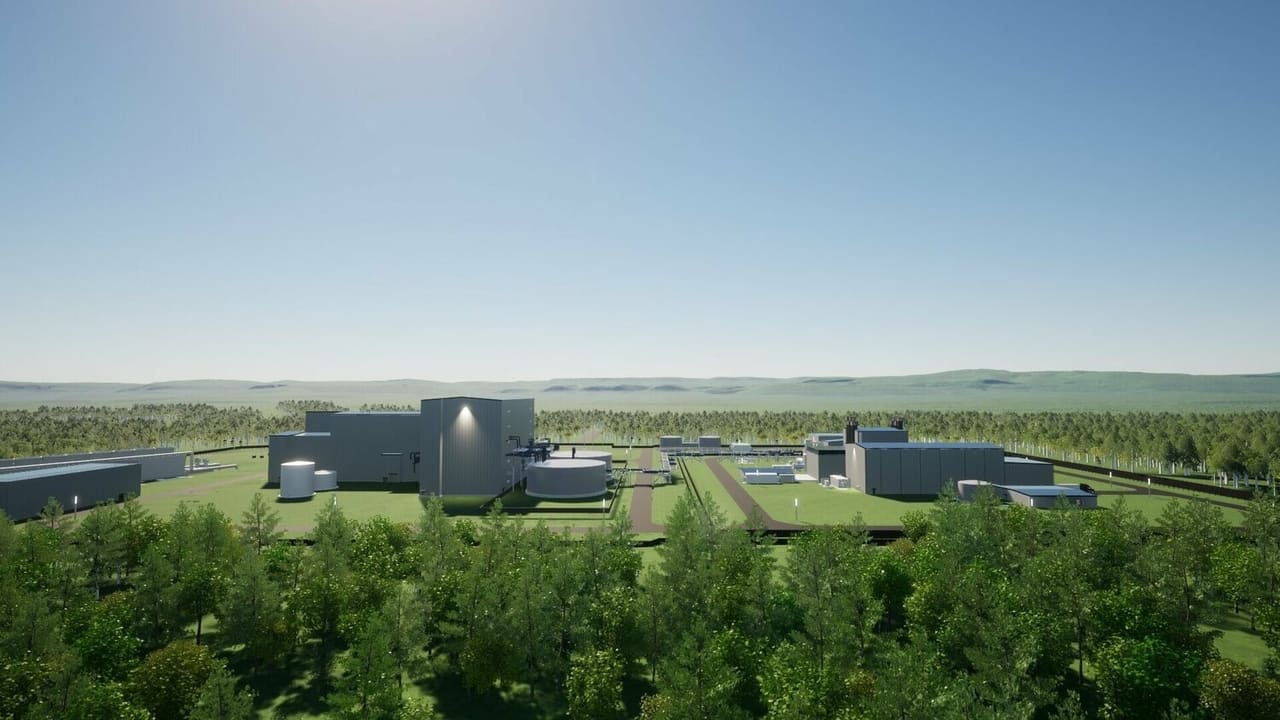
- ·TerraPower's Wyoming Natrium reactor received a construction permit in March and targets 2031 commercial operation, with Doosan Enerbility contracted to supply reactor vessel and core structures.
- ·AI infrastructure and data center electricity demand are accelerating global SMR interest, creating supply chain openings for Korean manufacturers as Seoul positions nuclear exports as strategic priority.
A Seoul Handshake with Wyoming Stakes
TerraPower and SK Innovation formalized a preliminary agreement on small modular reactor collaboration on Friday, bringing together Bill Gates, SK Group Chairman Chey Tae-won, and South Korea's Industry Minister Kim Jung-kwan in Seoul. The deal grants SK Innovation entry into TerraPower's domestic and international SMR pipeline, according to Seoul's Industry Ministry, though financial terms and investment scope remain undisclosed.
SK Innovation, parent of South Korea's largest oil refiner SK Energy, gains a foothold in TerraPower's flagship Natrium sodium-cooled reactor project in Kemmerer, Wyoming. The US Nuclear Regulatory Commission issued a construction permit for that facility in March, with commercial operation targeted for 2031, the ministry confirmed.
Korean Suppliers Line Up
Doosan Enerbility announced Friday it secured a contract to manufacture critical reactor components for TerraPower, including the reactor vessel, support structures, and internal assemblies. The South Korean industrial group did not disclose contract value.
The ministry noted that SK and HD Hyundai have both made financial commitments to TerraPower and are pursuing roles spanning equipment supply, construction, and operations across the company's US and international project portfolio. The convergence of Korean capital and manufacturing capacity around a single US reactor developer signals a coordinated industrial strategy rather than isolated bets.
AI Infrastructure Drives Nuclear Calculus
Electricity demand from artificial intelligence infrastructure and data centers is accelerating global interest in SMRs, the ministry said, creating openings for Korean suppliers in emerging supply chains. Hyperscale data facilities require baseload power with minimal carbon footprint, a profile that aligns with the 345-megawatt output and modular deployment model of TerraPower's Natrium design.
South Korea's nuclear equipment manufacturers have spent the past decade navigating domestic policy swings on atomic energy. The current administration has reversed earlier phase-out plans and positioned nuclear exports as a strategic priority. The TerraPower partnership offers a pathway into the US market at a moment when Washington is channeling subsidies into advanced reactor development through the Inflation Reduction Act and Department of Energy loan programs.
The Wyoming Proving Ground
Kemmerer, a former coal town in southwestern Wyoming, serves as the test bed for TerraPower's first commercial unit. The site selection reflects both available grid infrastructure and political support in a state historically dependent on fossil fuel extraction. Successful commissioning in 2031 would make Natrium the first sodium-cooled fast reactor to operate commercially in the United States since the Experimental Breeder Reactor-II was shuttered in 1994.
Sodium coolant operates at atmospheric pressure and higher temperatures than conventional light-water reactors, enabling greater thermal efficiency and passive safety features. The technology also facilitates integration with molten-salt energy storage, allowing the reactor to load-follow and provide grid flexibility, a capability increasingly valuable as renewables penetration rises.
Asian Capital Meets Western Licensing
The Seoul agreement underscores a broader pattern: Asian conglomerates with deep balance sheets and manufacturing scale are underwriting Western reactor startups navigating lengthy regulatory timelines and capital-intensive demonstration phases. TerraPower has raised over 3 billion USD in private and public funding, with Gates remaining the anchor investor.
For SK Innovation, the move diversifies a portfolio historically centered on refining, petrochemicals, and battery materials. The company has been redirecting capital toward low-carbon energy as refining margins compress and electric vehicle adoption accelerates in key Asian markets. Participation in SMR projects hedges against the long-term decline of liquid fuels while leveraging existing project finance and engineering capabilities.
South Korea's push into advanced nuclear comes as Japan restarts its reactor fleet, China scales domestic SMR prototypes, and India expands its pressurized heavy-water program. The region accounts for more than half of the reactors under construction globally, and Seoul sees equipment export and intellectual property licensing as a lever to sustain its nuclear industrial base even if domestic build-out remains politically constrained.
The preliminary nature of Friday's agreement leaves room for scope adjustments as TerraPower's Wyoming project progresses through construction and testing. Yet the alignment of a chaebol affiliate, a billionaire-backed startup, and government industrial policy creates momentum that extends beyond a single reactor site.
RELATED STORIES
Doosan Enerbility Wins TerraPower Contract for Wyoming SMR Project
Jun-ho Seo · 3 min

Korean Conglomerates Stake Claims in TerraPower's Small Reactor Supply Chain
Cheng Wei-Lun · 3 min
Seoul Doubles Construction Financing to $34 Billion as Housing Costs Squeeze Young Buyers
Jun-ho Seo · 4 min
South Korea's Southwestern Chip Hub Set to Double in Size
Cheng Wei-Lun · 3 min
Spot something wrong? Email editor@briefasia.com. We log every correction publicly.