Real Estate · Homes
Seoul Doubles Construction Financing to $34 Billion as Housing Costs Squeeze Young Buyers
South Korea raises project financing support and eases loan rules for first-time buyers while President Lee warns of a looming real estate crisis threatening the nation's future
KEY TAKEAWAYS
- ·South Korea will raise construction project financing support to at least 47.8 trillion won ($33.72 billion), nearly double the previous target of 26.3 trillion won, to boost housing supply.
- ·President Lee Jae-myung's approval rating fell to an all-time low of 44 percent as housing affordability and stock volatility erode public confidence, with support among voters in their twenties dropping to just 30 percent.
- ·The Financial Services Commission raised its household debt growth target to 3 percent from 1.5 percent while introducing new policy loans for young buyers and newlyweds purchasing homes for owner-occupation.
A Crisis Too Large to Ignore
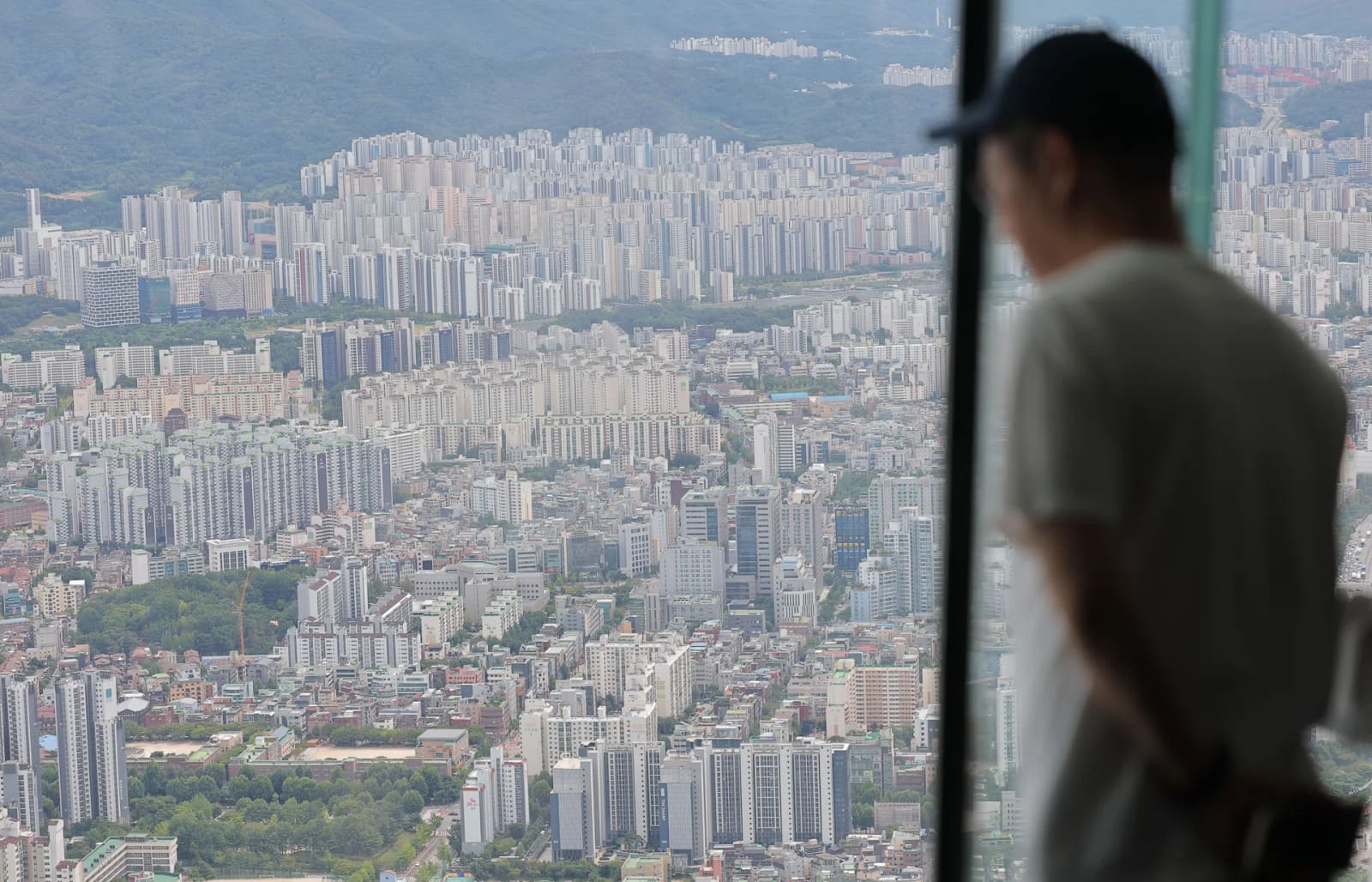
South Korea escalated its battle against soaring property prices on August 13, with President Lee Jae-myung declaring the nation's housing market a "ticking time bomb" that risks plunging the economy into lost decades of stagnation. The warning came alongside a sweeping financial package designed to flood the market with new supply while helping young buyers access credit.
The Financial Services Commission announced it would boost policy support for construction project financing to at least 47.8 trillion won ($33.72 billion), nearly double the previously planned 26.3 trillion won. The increase aims to remove capital bottlenecks that have constrained residential development even as prices climb beyond the reach of ordinary workers.
Targeting the Demand Side
The package includes new policy loans tailored for young people and newlyweds purchasing homes for owner-occupation. The FSC said the measures would ease borrowing restrictions for buyers with "actual demand" while maintaining or tightening controls on speculative investors.
South Korea already ranks among the world's most indebted nations, and its household debt rules are among the most complex in Asia. The FSC revised its household debt growth target for this year to around 3 percent, up from the previous ceiling of 1.5 percent, acknowledging that the crisis requires accepting higher leverage in exchange for broader access.
The policy shift reflects a calculated trade-off. By raising the debt growth threshold, Seoul is betting it can channel credit toward first-time buyers without reigniting the speculative frenzy that drove prices higher in the first place. Whether that separation holds in practice remains uncertain.
Political Pressure Mounts
Lee's approval rating fell to 44 percent in a Gallup Korea poll released August 14, down seven percentage points from July and marking an all-time low for his presidency. The decline was sharpest among voters in their twenties, where support dropped to just 30 percent.
Housing affordability has become a flashpoint. Earlier in August, Lee's administration proposed higher taxes on wealthy homeowners, a move that won applause from renters but alienated property owners and investors. Stock market volatility has compounded the political damage, eroding middle-class wealth and fueling discontent.
During a meeting with senior aides, Lee framed the housing crisis in stark terms. "The real estate bubble has reached a level that can no longer be left unchecked," he said. "If this situation continues, we could face what happened in a certain country: the so-called lost decades."
The reference evokes Japan's post-1990 collapse, when a burst property bubble triggered deflation, banking failures, and decades of anemic growth. For South Korean policymakers, the parallel is both a warning and a political liability.
The Supply Gamble
The centerpiece of the new package is the near-doubling of construction financing support. Seoul is wagering that a surge in residential projects will ease price pressure by adding inventory to constrained urban markets, particularly in the capital region where competition for housing is fiercest.
Yet supply-side interventions carry their own risks. Construction timelines stretch across years, meaning new units may arrive too late to relieve current affordability stress. If demand weakens in the interim due to rising interest rates or economic slowdown, developers could face unsold inventory and financial distress, amplifying rather than dampening market volatility.
The FSC's statement emphasized that the measures aim to stabilize the property market "by stimulating housing supply and through a comprehensive financial package for young people and those with actual demand." The phrasing signals an effort to distinguish genuine buyers from speculators, though enforcement of that distinction has proven difficult in past cycles.
Public Skepticism
A Gallup Korea survey conducted alongside the approval rating poll found that 40 percent of respondents want the government to intervene less in the housing market, while only 27 percent favor more intervention. The split reflects fatigue with repeated policy pivots and skepticism that top-down measures can resolve structural imbalances.
Support for Lee's Democratic Party slipped three percentage points to 41 percent, while the opposition People Power Party gained two points to reach 25 percent. The narrowing gap suggests housing policy could become a defining issue in upcoming legislative contests.
Asia's Affordability Reckoning
South Korea's housing crisis mirrors pressures across Asia's high-growth economies. In Singapore, Hong Kong, and major Chinese cities, property prices have outpaced income growth for years, locking younger generations out of ownership and deepening wealth inequality. Seoul's latest measures test whether governments can engineer a soft landing through targeted credit and supply expansion, or whether affordability corrections require more disruptive market adjustments.
The 47.8 trillion won financing commitment is among the largest housing interventions in South Korea's recent history. Its success or failure will offer lessons for policymakers across the region navigating the tension between financial stability, political legitimacy, and the aspirations of a generation priced out of home ownership.
RELATED STORIES

Apartment Builders in South Korea Navigate New Energy Production Rules
Jun-ho Seo · 4 min
Emart Posts $30 Million Loss as Starbucks Korea Boycott Bites
Jun-ho Seo · 2 min
Toss Parent Viva Republica Posts 53% Revenue Growth in First Half
Cheng Wei-Lun · 3 min

Starbucks Korea Reports First Quarterly Loss After Historical Misstep Triggers Nationwide Boycott
Jun-ho Seo · 3 min
Spot something wrong? Email editor@briefasia.com. We log every correction publicly.