Lifestyle · Culture
Starbucks Korea Reports First Quarterly Loss After Historical Misstep Triggers Nationwide Boycott
The coffee chain posted an operating loss of SGD 13 million in the three months through June, reversing decades of profitability as consumer backlash over a tone-deaf promotion deepened
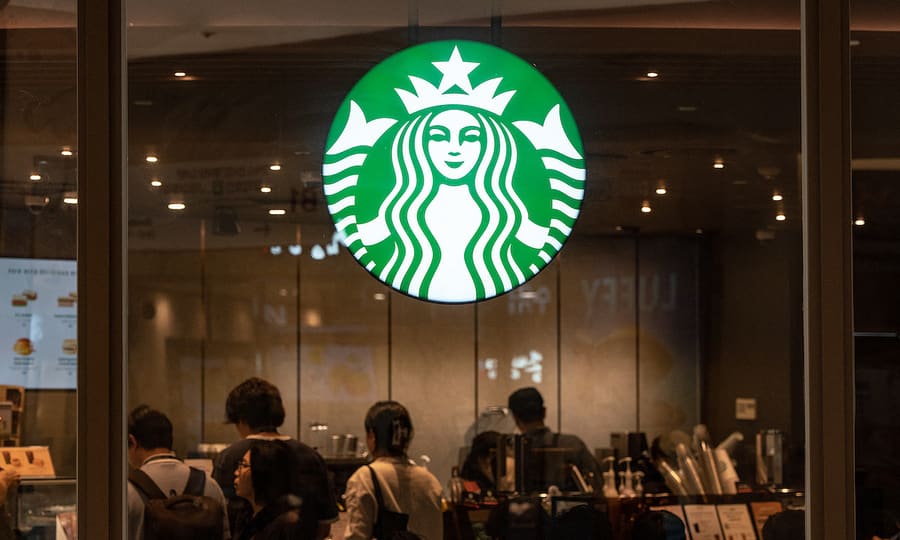
KEY TAKEAWAYS
- ·Starbucks Korea posted an 18.4 billion won operating loss in the quarter through June 2026, its first deficit in 27 years of operations.
- ·A May promotion named Tank Day coincided with the anniversary of the 1980 Gwangju uprising, sparking nationwide boycott and government criticism.
- ·The company closed all 2,000-plus stores for employee training on Korean history and faces an ongoing police investigation into the campaign.
The Numbers Behind the Collapse
SCK Company, the operator of Starbucks in South Korea, posted an operating loss of 18.4 billion won (SGD 13 million) in the quarter ending June 2026, according to the company's August 13 statement. The figure marks a stark reversal from the 40.3 billion won operating profit recorded in the same period a year earlier. Net sales declined 6.1 percent year-on-year to 747.3 billion won, despite the addition of 49 new stores during the quarter.
The financial hit came in South Korea, Starbucks' third-largest market globally after the United States and China, where the chain operates more than 2,000 locations. The loss represents the first quarterly deficit since the brand entered the country 27 years ago.
A Promotion Collides With National Memory
The crisis originated in May 2026, when Starbucks Korea launched a "Tank Day" promotion offering discounts on oversized "Tank" tumblers. The campaign coincided with the anniversary of the 1980 Gwangju uprising, a watershed moment in South Korean history when military forces deployed tanks to suppress pro-democracy protesters, resulting in hundreds of deaths.
The timing and naming choice ignited immediate public outrage. South Korean President Lee Jae Myung publicly criticized the campaign, while social media users accused the company of historical insensitivity. The U.S.-based Starbucks Corporation issued a statement describing the promotion as "unacceptable." Starbucks Korea's chief executive was removed from the position shortly after.
Chung Yong-jin, chairman of Shinsegae Group, which operates the Korean franchise through its E-Mart supermarket chain, appeared on national television to deliver a bowing apology. The executive took direct responsibility for the incident and pledged to restore consumer trust.
Business Disruption and Official Scrutiny
The backlash extended beyond consumer sentiment. Police conducted a search of Starbucks Korea's Seoul headquarters in early August as part of an official investigation into the marketing campaign. The probe underscores how corporate missteps intersecting with national historical trauma can escalate into legal matters in South Korea.
In late May, Shinsegae executives acknowledged "substantial" revenue declines as the boycott spread across the country. The company took the rare step of closing all its South Korean stores early on June 22 to conduct mandatory training sessions for employees on modern Korean history and social sensitivity.
SCK stated that it would focus on "business stabilization by restoring brand trust" in the months ahead. The ownership structure of Starbucks Korea includes a 67.5 percent stake held by E-Mart, with Singapore's sovereign wealth fund GIC holding the remaining shares as a passive minority investor.
Regional Implications
The episode offers a cautionary lesson for multinational brands operating across Asia, where historical memory remains a live factor in consumer behavior and corporate reputation. South Korea's democratic movement history, particularly events from the 1980s, continues to shape public discourse and political identity.
The financial damage sustained by Starbucks Korea reflects how quickly consumer sentiment can shift when companies are perceived to have disrespected collective memory. The quarter's loss also arrived during a period of store expansion, suggesting that the boycott's impact outweighed any growth momentum from new locations.
As the company works to rebuild trust, the incident underscores the importance of cultural and historical due diligence in marketing decisions, particularly in markets where past political struggles remain deeply embedded in national consciousness. Whether Starbucks Korea can return to profitability in subsequent quarters will depend on the durability of consumer resentment and the effectiveness of its remedial measures.
RELATED STORIES

South Korea's Fake Shopping Sites Let You Buy Without Paying
Lim Hui Ying · 3 min
Emart Posts $30 Million Loss as Starbucks Korea Boycott Bites
Jun-ho Seo · 2 min
Seoul Tech Stocks Surge 5% as US Inflation Data Lifts Asian Markets
Cheng Wei-Lun · 3 min
South Korea's Economic Weight Class Shift Demands Regional Recalibration
Cheng Wei-Lun · 5 min
Spot something wrong? Email editor@briefasia.com. We log every correction publicly.