Sustainability · Energy
Doosan Enerbility Wins TerraPower Contract for Wyoming SMR Project
South Korean heavy industry firm will supply containment vessel and core structures for Bill Gates-backed Natrium reactor in $4 billion deal
KEY TAKEAWAYS
- ·Doosan Enerbility will supply the containment vessel, support framing, and internal structures for TerraPower's Natrium reactor in Wyoming, part of a $4 billion project.
- ·The Natrium design combines a 345-megawatt sodium-cooled reactor with molten-salt storage that can boost output to 500 megawatts for over five hours.
- ·TerraPower has not yet received NRC construction approval, with $2 billion in US Department of Energy funding supporting the demonstration plant in a former coal town.
South Korea Deepens US Nuclear Ties
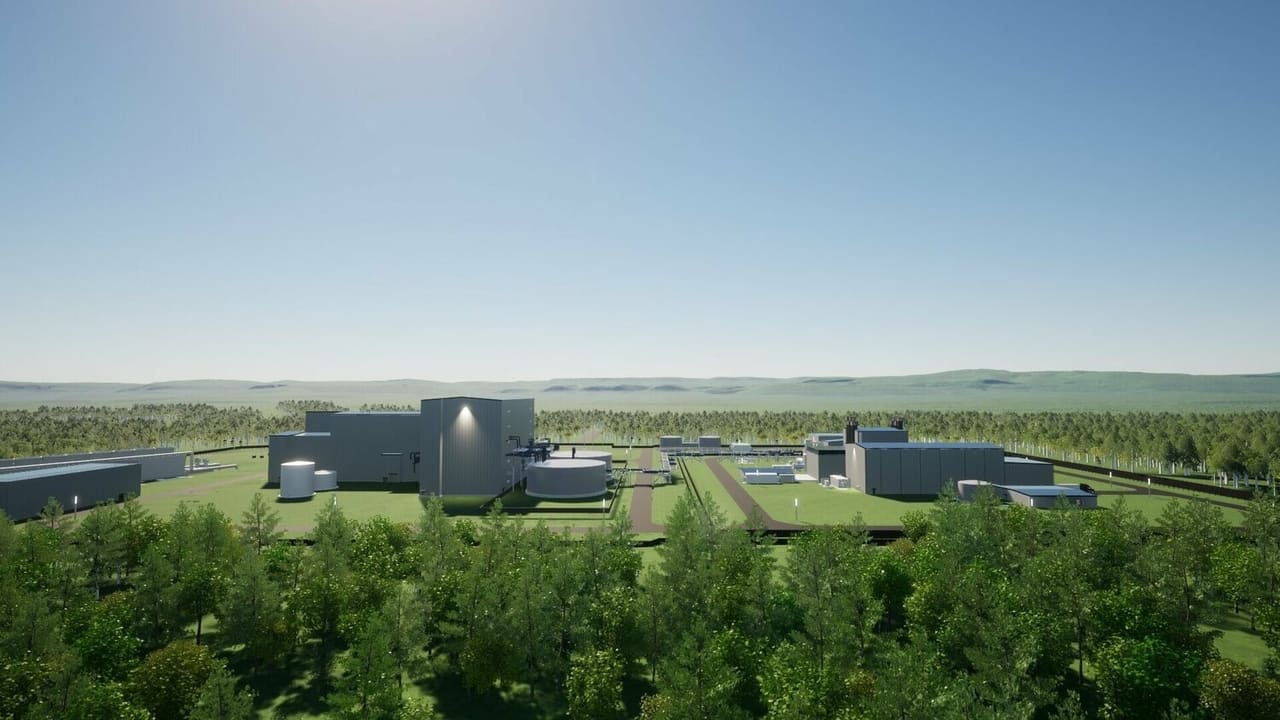
Doosan Enerbility has locked in a contract to manufacture essential structural components for TerraPower's Natrium small modular reactor in Kemmerer, Wyoming, according to the company. The agreement positions the South Korean heavy industry group as a key supplier in a $4 billion advanced nuclear project backed by Bill Gates.
The deal covers the containment vessel, support framing, and internal reactor structures - components that form the backbone of the plant's physical architecture. TerraPower selected Doosan Enerbility after evaluating fabrication capabilities and experience with large-scale reactor components, a domain where South Korean firms have accumulated decades of export track record.
The Natrium Design
TerraPower's Natrium reactor pairs a 345-megawatt sodium-cooled fast reactor with a molten-salt energy storage system, a configuration designed to provide flexible grid support. The Wyoming site will serve as the first commercial demonstration of the technology, with construction timelines tied to US Nuclear Regulatory Commission licensing milestones.
Sodium cooling allows the reactor to operate at atmospheric pressure, reducing the need for thick-walled pressure vessels typical of light-water designs. That simplification translates into fewer welds, shorter fabrication cycles, and lower material costs - advantages that have attracted interest from utilities looking to pair nuclear baseload with intermittent renewables.
The energy storage component can boost output to 500 megawatts for more than five hours, a feature intended to help the plant respond to peak demand periods without curtailing reactor operation. TerraPower has positioned this hybrid architecture as a bridge between traditional nuclear economics and the dispatch flexibility that modern grids increasingly require.
Asian Suppliers in the US Nuclear Revival
Doosan Enerbility's entry into the TerraPower supply chain reflects a broader pattern: US advanced reactor developers are sourcing components from Asian manufacturers with established nuclear fabrication lines. South Korea, Japan, and China have maintained continuous production of large forgings, pressure vessels, and steam generators even as Western capacity contracted over the past two decades.
For Doosan Enerbility, the contract extends a portfolio that already includes reactor components for plants in the United Arab Emirates, the Czech Republic, and Poland. The company operates heavy manufacturing facilities in Changwon capable of producing forgings up to 600 tons and has invested in digital welding systems to meet stringent nuclear quality standards.
The Wyoming project also offers a reference case for other US small modular reactor initiatives. If Natrium proceeds on schedule, Doosan Enerbility will have demonstrated the ability to deliver components that satisfy NRC requirements - a credential that matters as utilities evaluate vendor options for future deployments.
Regulatory and Commercial Hurdles Ahead
TerraPower has not yet received a construction permit from the NRC, and the timeline for final design certification remains uncertain. The company submitted its construction permit application in 2023, initiating a multi-year review process that will scrutinize everything from seismic analysis to emergency planning zones.
Financing for the Kemmerer plant includes support from the US Department of Energy's Advanced Reactor Demonstration Program, which committed $2 billion in cost-shared funding. The balance will come from private capital, though TerraPower has not disclosed the full investor lineup beyond Gates's involvement through Breakthrough Energy Ventures.
Wyoming's selection as the host site carries symbolic weight: Kemmerer is a coal town where PacifiCorp retired a generating station in 2025. TerraPower has framed the project as a test case for repurposing fossil fuel infrastructure and retaining skilled energy workers in communities facing the coal-to-clean transition.
Asia's Expanding Role in Advanced Nuclear
South Korean firms are not alone in eyeing the US market. Japan's JSW has supplied reactor pressure vessels for domestic projects and is exploring partnerships with US developers. China's state-owned nuclear manufacturers have built significant SMR capacity but face export restrictions tied to US technology transfer rules.
The competition underscores a strategic reality: the US has ceded much of its heavy nuclear manufacturing base, and rebuilding that capacity will take years and billions in capital investment. In the meantime, developers like TerraPower are assembling international supply chains, balancing technical capability, cost, and geopolitical considerations.
For Doosan Enerbility, the contract is both a revenue opportunity and a positioning move. If the US advances dozens of SMR projects over the next decade - as industry projections suggest - early suppliers will have an advantage in securing follow-on work. The company is betting that experience with Natrium will open doors to other advanced reactor programs, from Kairos Power's fluoride-salt-cooled design to X-energy's pebble-bed system.
Whether those projects materialize at scale remains an open question. But for now, the Wyoming deal signals that Asia's nuclear supply chain is integral to any US ambitions in next-generation reactors.
RELATED STORIES

South Korea Adds Small Modular Reactors to Strategic Tax Incentive Program
Jun-ho Seo · 3 min
Apartment Builders in South Korea Navigate New Energy Production Rules
Jun-ho Seo · 4 min

South Korea's Fake Shopping Sites Let You Buy Without Paying
Lim Hui Ying · 3 min

Starbucks Korea Reports First Quarterly Loss After Historical Misstep Triggers Nationwide Boycott
Jun-ho Seo · 3 min
Spot something wrong? Email editor@briefasia.com. We log every correction publicly.