Asia · Business
Tata Sons Chairman Exits After Board Deadlock on Reappointment
N. Chandrasekaran will step down in February 2027 after six months of unresolved deliberations over his future at India's largest conglomerate.
KEY TAKEAWAYS
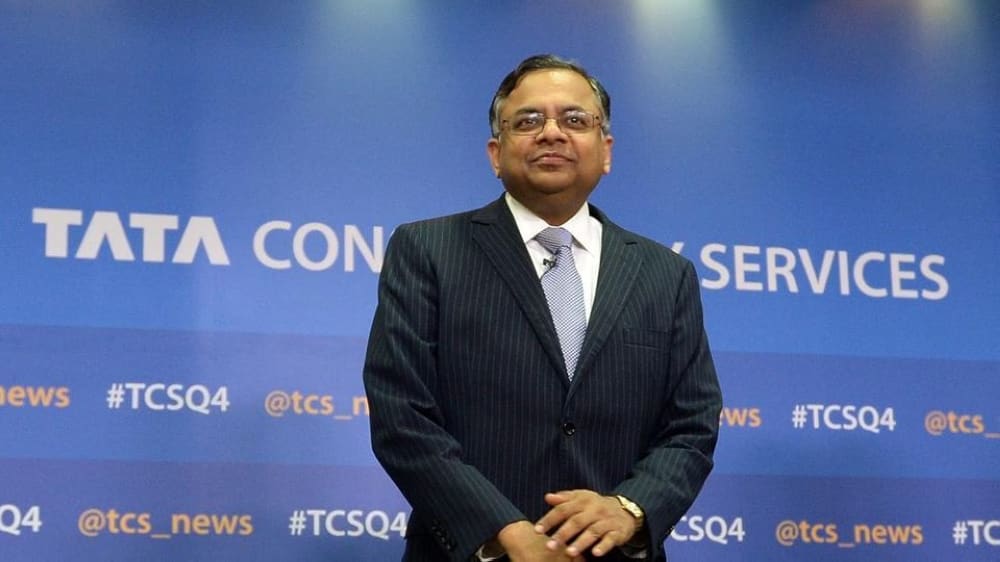
- ·N. Chandrasekaran will step down as Tata Sons chairman on February 20, 2027, after the board failed to resolve his reappointment over six months.
- ·Disagreements center on strategic direction and capital spending in high-risk ventures, with Tata Trusts holding 66 percent and decisive governance influence.
- ·Tata group stocks fell following the announcement, with TCS down five percent and Tata Motors dropping more than three percent amid investor concern.
Leadership Vacuum at India's Industrial Giant
N. Chandrasekaran will leave his post as chairman of Tata Sons when his term expires on February 20, 2027, after the board spent six months unable to reach consensus on his reappointment. The departure marks a pivotal moment for the holding company that controls stakes in Tata Consultancy Services, Tata Motors, and dozens of other firms spanning steel, aviation, hospitality, and technology across Asia.
Chandrasekaran, 63, told the board he would not stand for another term following prolonged deliberations that began in February. "It has been six months since the matter of my reappointment was first discussed by the Board and no resolution has been reached till date," he said. He asked directors to finalize succession plans quickly to ensure orderly transition.
The impasse centers on disagreements over strategic direction and financial performance at certain group companies, according to Chandrasekaran. Tata Trusts, which holds approximately 66 percent of Tata Sons, wields decisive influence over governance decisions. Noel Tata, who heads the trust and is half-brother to the late Ratan Tata, has reportedly sought conditions on any reappointment, including limits on capital deployment in ventures carrying elevated risk.
Critical Projects in Flux
Chandrasekaran emphasized that clarity on leadership is essential as multiple large-scale initiatives reach execution milestones. "Tata Sons is a very large institution and there are many strategic projects that are under critical stages of execution," he noted, pointing to the need for stable direction for employees, investors, and partners.
The conglomerate faces headwinds across its portfolio. Tata Consultancy Services, the group's largest profit contributor, has seen its share price decline more than 20 percent over the past year as global technology spending slows and generative AI reshapes client demand. The stock fell five percent following Chandrasekaran's announcement.
Tata's effort to turn around Air India, acquired from the Indian government in 2022, has encountered operational turbulence. A fatal crash in June 2025 killed 241 passengers and crew plus 19 people on the ground when a London-bound flight went down shortly after takeoff from Ahmedabad. Separate incidents, including reports of crew conduct violations, have compounded reputational challenges for the carrier.
Market Reaction and Succession Questions
Investors responded swiftly to the leadership uncertainty. Tata Motors shares dropped more than three percent, Tata Steel fell around two percent, and Tata Communications declined over one percent on the day of the announcement. The declines underscore the market's sensitivity to governance stability at a conglomerate whose combined entities employ hundreds of thousands across the region.
Chandrasekaran joined Tata Sons as chairman in 2017 after serving as chief executive of TCS. His appointment followed a bitter boardroom confrontation that resulted in the removal of Cyrus Mistry. Over his tenure, he oversaw the Air India acquisition, expanded the group's digital and electric vehicle ambitions, and navigated pandemic-era disruptions.
The board now faces the task of identifying a successor capable of balancing the priorities of Tata Trusts, institutional investors, and operating company management. The search unfolds against a backdrop of slowing growth in key markets and intensifying competition in sectors from semiconductors to software services. How quickly directors settle on a candidate will signal whether the conglomerate can avoid prolonged drift at a moment when peers across Asia are consolidating their positions in supply chains and capital markets.
RELATED STORIES
Tata Sons Chairman Chandrasekaran to Exit After Decade-Long Tenure
Priyanka V. Rao · 2 min
Tata Sons Chairman Chandrasekaran Won't Seek New Term Amid Charity Arm Dispute
Priyanka V. Rao · 3 min
Singapore Airlines Board Monitors Air India Stake at Every Meeting
Priyanka V. Rao · 2 min
Honda-Tata Partnership Signals Shift in India Auto Strategy
Priyanka V. Rao · 3 min
Spot something wrong? Email editor@briefasia.com. We log every correction publicly.