Asia · Business
Tata Sons Chairman Chandrasekaran to Exit After Decade-Long Tenure
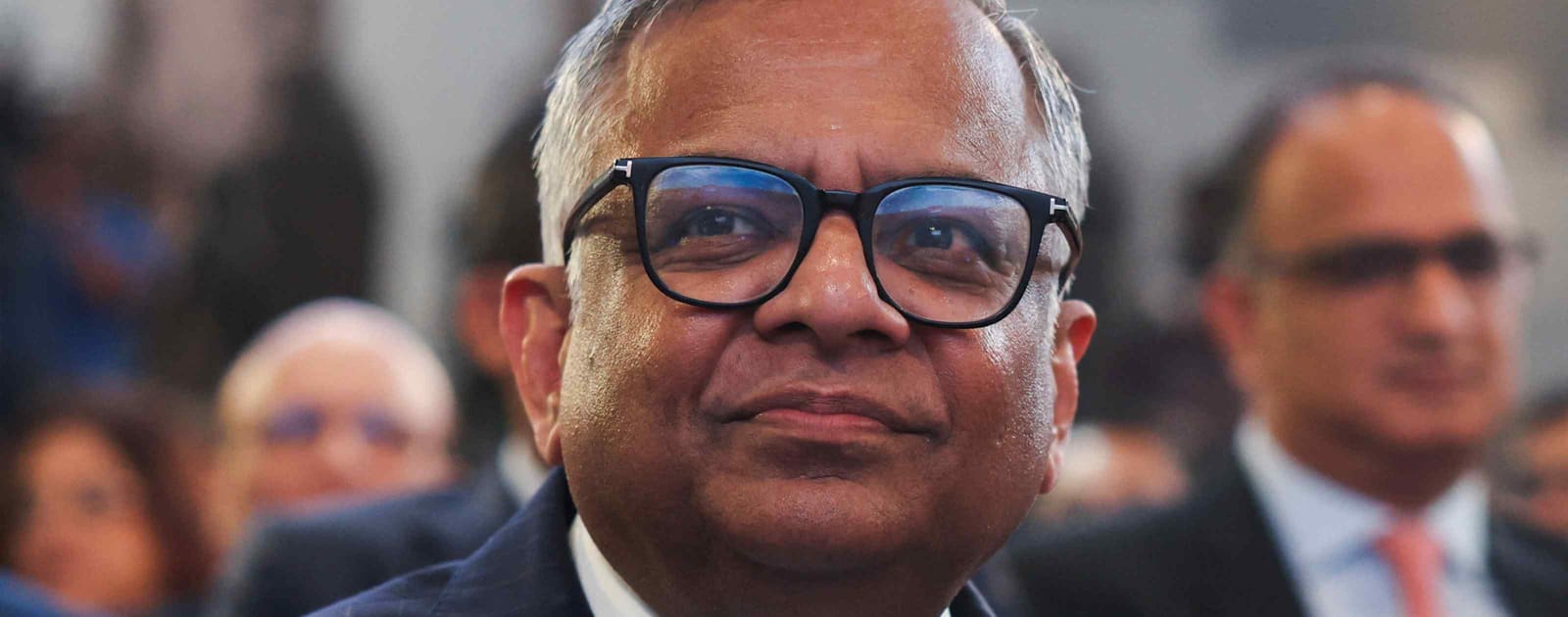
Natarajan Chandrasekaran will leave his post in February 2027, marking the end of a transformative but turbulent period for India's sprawling conglomerate
KEY TAKEAWAYS
- ·Natarajan Chandrasekaran will leave Tata Sons in February 2027 after a decade leading the conglomerate, which generates over USD 130 billion in annual revenue.
- ·The departure follows internal friction over IPO strategy and operational challenges in electric vehicles, steel, and aviation units that have required heavy capital.
- ·The succession process will determine whether Tata accelerates public listings to unlock value or adopts a more conservative approach to capital allocation.
Leadership Transition at India's Industrial Giant
Natarajan Chandrasekaran will step down as chairman of Tata Sons in February 2027, bringing to a close a decade at the helm of one of Asia's most storied conglomerates. The announcement, delivered in a statement Wednesday, sets the stage for a succession battle within a business empire that spans steel, automobiles, software services, and consumer goods across dozens of countries.
Chandrasekaran took the reins in February 2017, inheriting a portfolio that included Tata Motors, Tata Consultancy Services, Tata Steel, and the Taj Hotels chain. His tenure has seen both aggressive expansion into digital infrastructure and painful restructuring in legacy manufacturing units. The timing of his departure, revealed more than a year in advance, reflects the careful choreography required to manage leadership changes in family-linked Indian business houses.
Internal Friction Over Strategic Direction
The decision comes amid reports of disagreements over the conglomerate's approach to public listings and capital allocation. Tata Sons, the holding company that controls the sprawling group, has faced pressure from minority shareholders and institutional investors to unlock value through initial public offerings of key subsidiaries. Tensions over the pace and structure of these IPOs have reportedly strained relationships within the board.
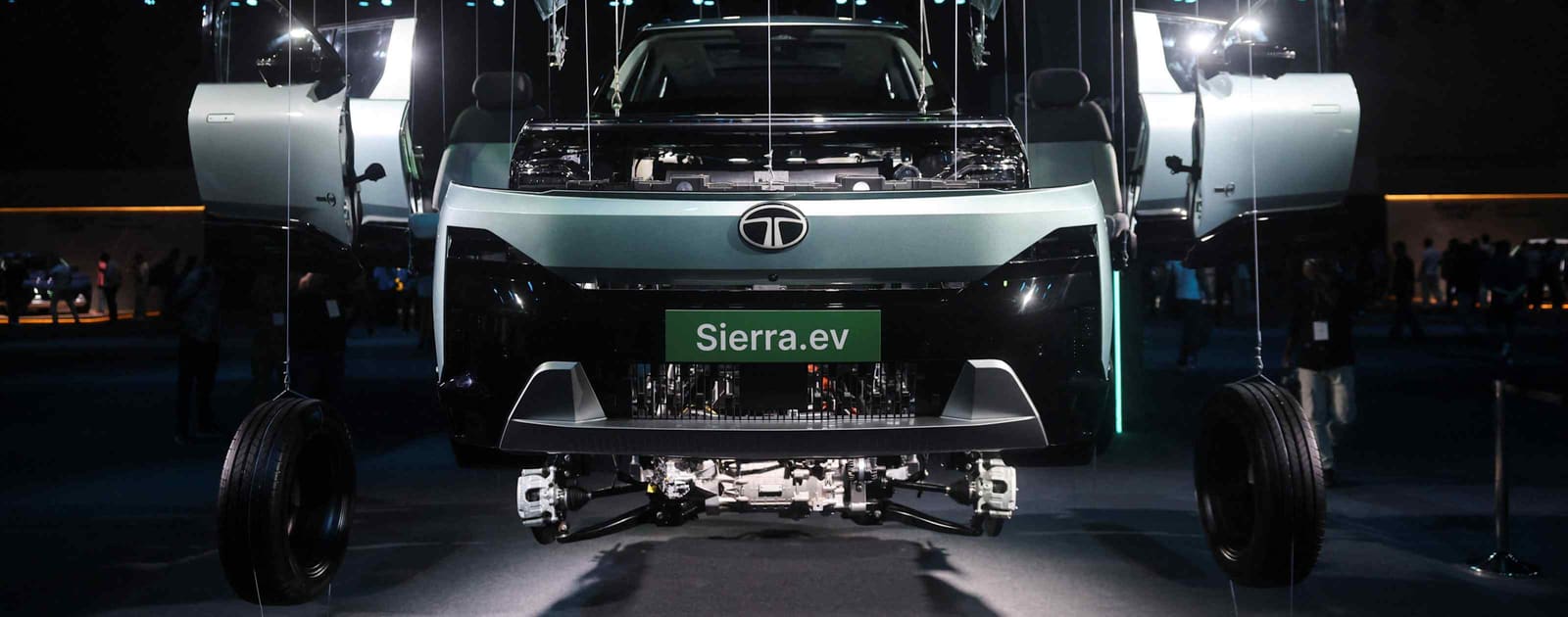
At the same time, several Tata operating companies have encountered headwinds. Tata Motors' electric vehicle push has required heavy capital investment while margins remain under pressure. Tata Steel has grappled with volatile commodity prices and regulatory challenges in both India and Europe. The group's aviation ventures, including Air India, which Tata reclaimed in 2022, have demanded billions in restructuring capital with returns still uncertain.
A Decade of Consolidation and Ambition
Chandrasekaran's chairmanship marked a shift toward centralized strategy after years of decentralized autonomy among Tata group companies. He pushed for digital transformation across the portfolio, launched ventures in super-apps and e-commerce, and sought to position Tata as a national champion in semiconductors and battery manufacturing. The group committed over USD 90 billion in capital expenditure during his tenure, according to company filings.
Yet the scale of that ambition has also exposed the conglomerate to execution risk. Several digital initiatives have struggled to gain traction against entrenched competitors. The semiconductor fabrication plans, while politically celebrated, remain years away from commercial production. Investors have questioned whether the group's capital is being deployed with sufficient discipline.
What Comes Next
The succession process will be closely watched by India's business community and by global investors with exposure to Tata entities. The board will need to balance continuity in strategic priorities with a fresh mandate to address operational shortfalls. Potential internal candidates include leaders from TCS and other profitable divisions, though external appointments are not uncommon in Indian conglomerates seeking to signal change.
The announcement also raises questions about the group's IPO pipeline. If disagreements over public listings contributed to the leadership shift, the next chairman may either accelerate those plans or retreat to a more conservative capital strategy. For a conglomerate that employs over 900,000 people and generates annual revenue exceeding USD 130 billion, the choice of successor will reverberate across India's economy and its position in regional supply chains.
Chandrasekaran's departure will formalize a generational handoff in Indian business, as founding families and their appointed stewards navigate the tension between legacy and the demands of modern capital markets.
RELATED STORIES
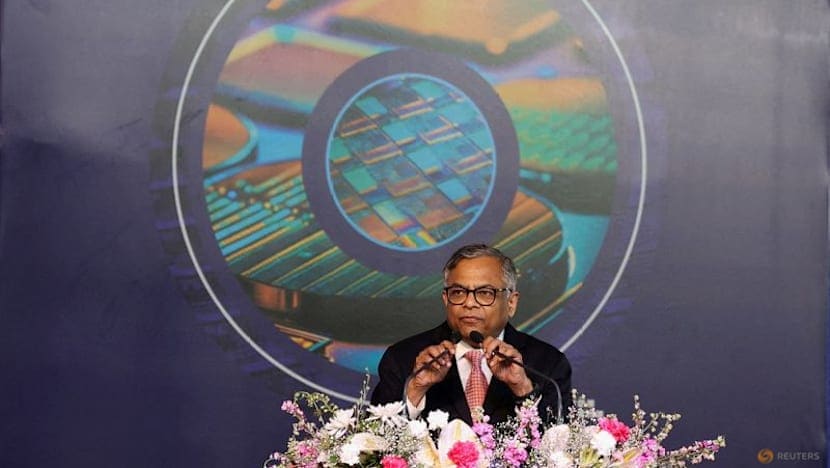
Tata Sons Chairman Chandrasekaran Won't Seek New Term Amid Charity Arm Dispute
Priyanka V. Rao · 3 min
Tata Group Shares Sink More Than 5% Following Chandrasekaran Resignation
Priyanka V. Rao · 3 min
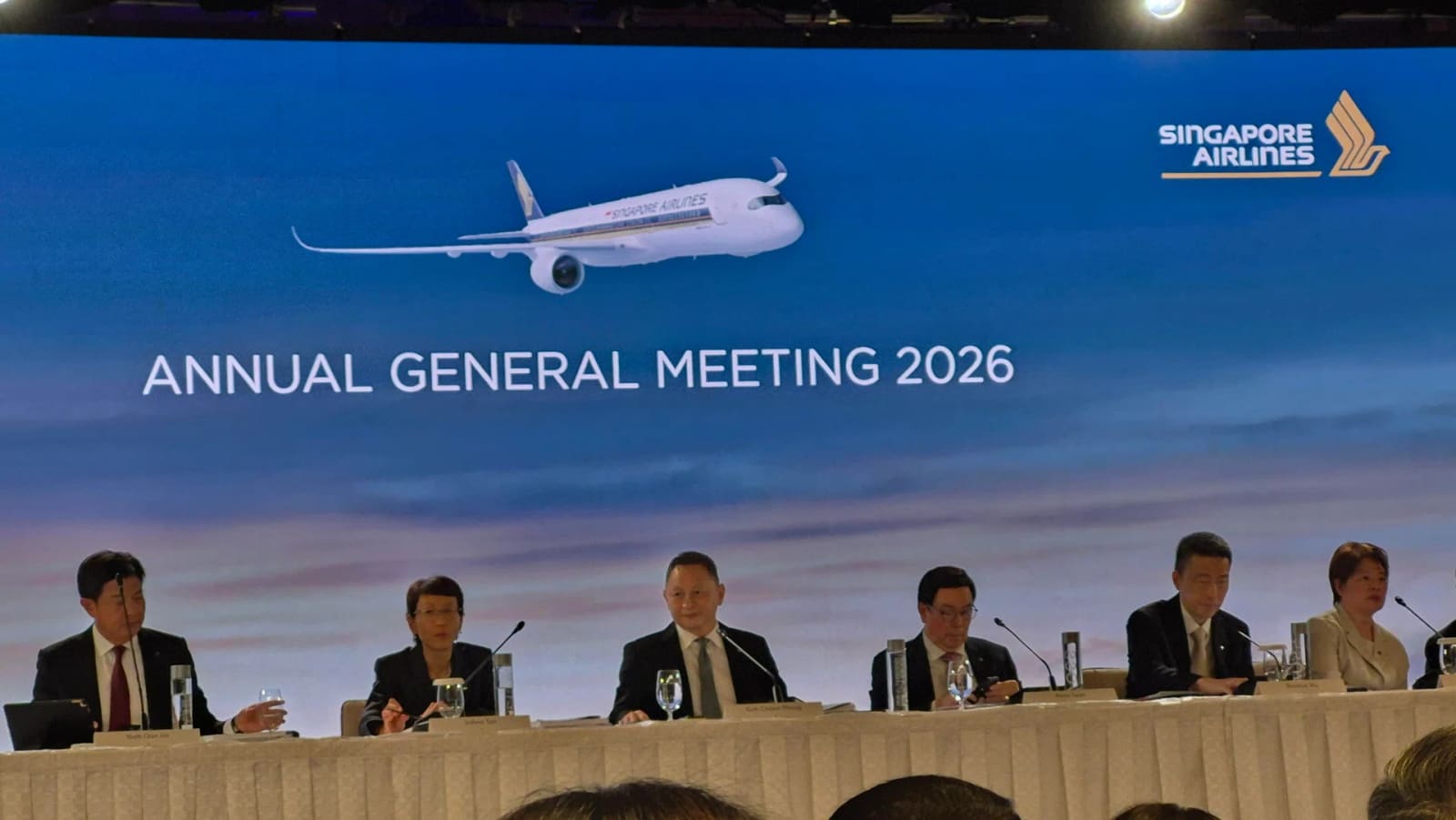
Singapore Airlines Board Monitors Air India Stake at Every Meeting
Priyanka V. Rao · 2 min
Honda-Tata Partnership Signals Shift in India Auto Strategy
Priyanka V. Rao · 3 min
Spot something wrong? Email editor@briefasia.com. We log every correction publicly.