Asia · Politics
Taiwan Rehearses Digital Blackout Scenario Amid China Threat
A civil defense drill in Taichung plunged a shopping mall into darkness for 30 minutes, testing public readiness for potential internet disruption
KEY TAKEAWAYS
- ·Taiwan conducted a 30-minute blackout drill at a Taichung shopping mall to test civilian resilience against potential Chinese internet disruption.
- ·The island depends on 15 undersea fiber-optic cables, 14 of which run through waters China could blockade or sever during a conflict.
- ·Taiwan plans nationwide drills by early 2027 and is drafting regulations requiring critical infrastructure to operate offline for at least 48 hours.
A Mall Goes Dark
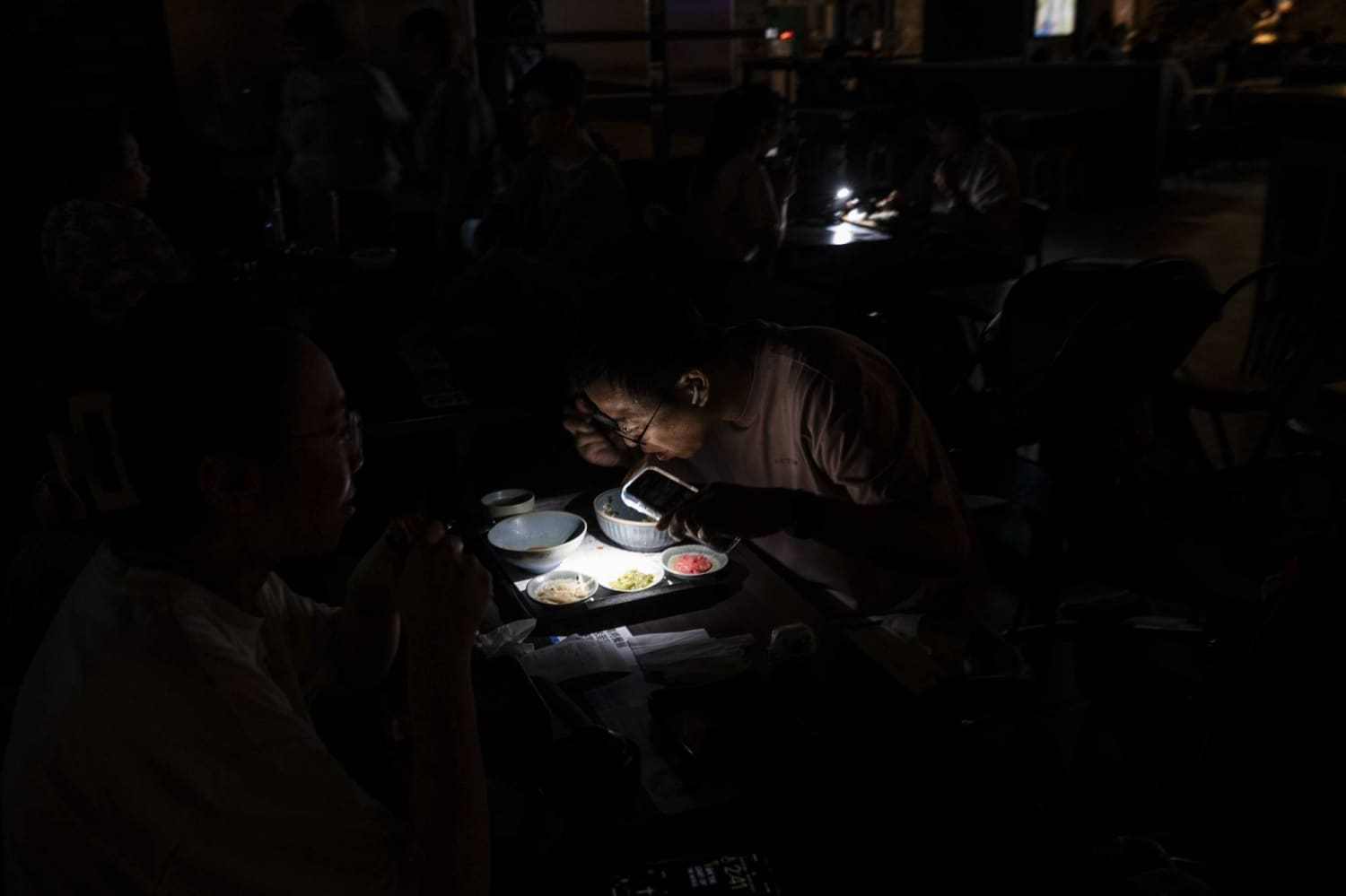
On Monday afternoon, diners at LaLaport shopping mall in Taichung found themselves eating by the glow of their phone screens as most shops went dark for 30 minutes. The blackout was deliberate: Taiwan was testing how its citizens would cope if Beijing severed the island's internet connections during a crisis.
The drill marks a shift in Taiwan's civil defense planning. While air raid sirens and missile alerts have become routine across the island, this exercise focused on a less kinetic but equally paralyzing threat: digital isolation. For a society where mobile payments dominate retail, online ordering sustains restaurants, and cloud-based systems run logistics, even a brief internet outage exposes critical vulnerabilities.
The Undersea Cable Chokepoint
Taiwan's internet infrastructure depends on 15 undersea fiber-optic cables that connect the island to the global network. Fourteen of those cables run through waters that China could blockade or physically sever during a conflict. The geographic reality gives Beijing leverage without firing a shot.
Chinese naval vessels regularly operate near cable routes in the Taiwan Strait and along the island's eastern coast. In February, a Chinese cargo ship anchor damaged a cable linking Taiwan to Matsu Islands, cutting connectivity for weeks. Taiwanese officials described the incident as suspicious but stopped short of calling it sabotage.
The drill in Taichung simulated a scenario where multiple cables are cut simultaneously, either through military action or coordinated sabotage. Emergency planners assume that restoring full connectivity could take days or weeks, forcing the island to function on backup satellite links with severely limited bandwidth.
Testing Civilian Resilience
Participants in the drill were instructed to rely on cash, printed documents, and face-to-face communication. Banks prepared manual transaction systems. Hospitals tested offline patient record access. Retailers dusted off credit card imprinters, the mechanical devices that create carbon-copy receipts, largely obsolete since the 1990s.
The exercise revealed immediate friction points. Younger consumers accustomed to scanning QR codes for payment struggled to carry sufficient cash. Delivery drivers without GPS navigation apps faced delays. Small businesses that store inventory data exclusively in cloud systems lost real-time stock visibility.
Taiwan's National Communications Commission has pushed telecom operators to maintain 72 hours of backup power for cell towers and to establish redundant satellite uplinks. But the drill exposed gaps: many rural areas lack satellite coverage, and emergency bandwidth would prioritize military and government traffic, leaving civilian users with degraded service.
Regional Implications
Taiwan's vulnerability is not unique. Singapore, Hong Kong, and Tokyo all depend on undersea cable networks that pass through contested or strategically sensitive waters. The difference is Taiwan's frontline status. Chinese military doctrine explicitly mentions "information blockade" as a tool for coercing the island without invasion.
Japan has quietly expanded its own cable redundancy in response. In 2024, Tokyo approved funding for a new trans-Pacific cable route that bypasses traditional chokepoints near Okinawa. South Korea is exploring similar measures, concerned that a Taiwan crisis could disrupt its own connectivity.
For investors, the drill underscores the fragility of Asia's digital supply chains. Taiwan Semiconductor Manufacturing Company, which produces chips for Apple and Nvidia, relies on real-time data links to coordinate production across facilities. An internet blackout would halt orders, disrupt logistics, and freeze financial transactions, even if fabs remained physically intact.
What Comes Next
Taiwanese officials plan to expand the drills nationwide by early 2027, incorporating longer blackout periods and more complex scenarios. The government is also stockpiling satellite terminals and funding research into mesh networks that could maintain local connectivity even if international links are severed.
The exercise in Taichung was voluntary, but future drills may be mandatory for critical infrastructure operators. Taiwan's Ministry of Digital Affairs is drafting regulations that would require banks, hospitals, and utilities to demonstrate offline operational capability for at least 48 hours.
Beijing has not commented on the drill, but state media have previously described Taiwan's civil defense preparations as "separatist provocation." The silence this time may reflect confidence: China knows the cables are there, and so does Taipei.
RELATED STORIES
Taiwan Throttles Mobile Networks During War Games for the First Time
Cheng Wei-Lun · 3 min

Chunghwa Telecom Accelerates Satellite and Subsea Cable Rollout Amid Taiwan Infrastructure Push
Cheng Wei-Lun · 4 min
Taiwan's Offshore Wind Pipeline Stalls as Tender Failures Threaten Supply Chain
Cheng Wei-Lun · 3 min
Taiwan's TECO Secures Major Renewable Energy Deal with Semiconductor Buyer
Cheng Wei-Lun · 3 min
Spot something wrong? Email editor@briefasia.com. We log every correction publicly.