Sustainability · Energy
Taiwan's Offshore Wind Pipeline Stalls as Tender Failures Threaten Supply Chain
Failed auctions for major wind projects are delaying renewable energy capacity needed to power the island's semiconductor and tech manufacturing base
KEY TAKEAWAYS
- ·Recent offshore wind tender failures in Taiwan are delaying major projects needed to supply renewable electricity to the island's semiconductor and electronics manufacturing base.
- ·Taiwan's high-tech sector faces growing demand for clean power to meet corporate carbon neutrality targets and customer sustainability requirements.
- ·Project delays threaten the viability of Taiwan's domestic offshore wind supply chain and could force European partners to reassess their regional manufacturing strategies.
Pipeline Under Pressure
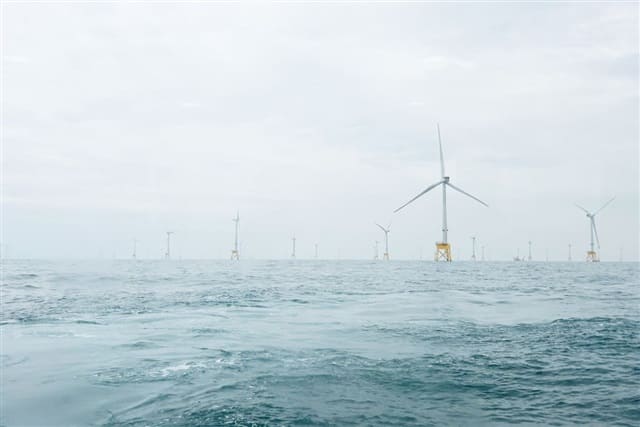
Taiwan's offshore wind sector is facing significant delays as recent tender processes fail to award major projects, creating uncertainty around the island's renewable energy timeline. The stalled auctions come at a critical moment for Taiwan's semiconductor and electronics manufacturers, which are racing to secure clean electricity to meet both operational needs and corporate sustainability commitments.
The tender failures mark a departure from the momentum Taiwan built over the past five years, when the island emerged as one of Asia's leading offshore wind markets. Industry observers point to a combination of factors, including supply chain constraints, financing challenges, and evolving grid connection requirements that have made recent auction rounds less attractive to developers.
Tech Sector Feels the Squeeze
Taiwan's high-tech manufacturing base consumes enormous amounts of electricity. Fabrication plants operated by TSMC and other chipmakers run around the clock, with advanced nodes requiring particularly intensive power loads. As these companies expand capacity to meet global demand for semiconductors and AI chips, their appetite for renewable energy has grown sharply.
Many Taiwan-based tech firms have set ambitious carbon neutrality targets, with deadlines ranging from 2030 to 2050. Offshore wind was expected to form a cornerstone of their decarbonization strategies, offering utility-scale generation capacity in a land-constrained island environment where solar deployment faces geographic limits.
The current project delays threaten to create a gap between renewable energy supply and demand. Without sufficient clean power capacity coming online, manufacturers may struggle to meet both their own sustainability goals and the increasingly stringent requirements of international customers and investors who scrutinize supply chain emissions.
Supply Chain Implications
The slowdown in Taiwan's offshore wind pipeline carries implications beyond the island itself. Taiwan has been building out a domestic offshore wind supply chain, with local manufacturers producing components including towers, foundations, and subsea cables. Prolonged project delays could undermine the viability of these facilities, which depend on a steady pipeline of domestic installations to achieve scale and cost competitiveness.
Several European offshore wind specialists established manufacturing presence or partnerships in Taiwan specifically to serve the local market and use it as a potential gateway to broader Asia-Pacific opportunities. A sustained pause in project awards would force these companies to reassess their regional strategies and could slow technology transfer that benefits the wider Asian offshore wind sector.
The tender difficulties also highlight broader challenges in Asia's renewable energy transition. Unlike Europe, where offshore wind supply chains matured over two decades of steady deployment, Asian markets are attempting to compress that timeline while navigating more complex regulatory environments and less developed financing ecosystems.
What Comes Next
Taiwan's government has not announced major revisions to its offshore wind targets, which call for 15.7 gigawatts of installed capacity by 2035. However, the recent tender outcomes have prompted discussions within the Ministry of Economic Affairs about potential adjustments to auction mechanisms, grid connection protocols, and financial incentives.
Industry participants expect authorities to review tender structures before launching subsequent rounds. Possible modifications could include revised pricing floors, extended development timelines, or clearer guidelines around grid infrastructure responsibilities. The outcome of these deliberations will shape whether Taiwan can get its offshore wind pipeline back on track or whether the current stall becomes a more prolonged setback.
For now, tech manufacturers are watching closely. Some larger companies are exploring alternative arrangements, including direct power purchase agreements with existing wind farms or investments in other renewable sources. But these options offer limited scale compared to the gigawatt-level capacity that utility-scale offshore wind projects were expected to deliver.
RELATED STORIES
Taiwan's TECO Secures Major Renewable Energy Deal with Semiconductor Buyer
Cheng Wei-Lun · 3 min

Taiwan Chemical Maker Bets on AI Boom With Dual Expansion and Price Hikes
Cheng Wei-Lun · 3 min

Taiwan Chipmaker Winbond Plans Major DRAM Plant as AI Drives Memory Shortage
Cheng Wei-Lun · 3 min
Taiwan Probes 17 Chinese Companies Over Tech Talent Recruitment
Cheng Wei-Lun · 3 min
Spot something wrong? Email editor@briefasia.com. We log every correction publicly.